Budget Grocery Shopping Loses Stigma as Americans Realize Paying More for the Same Food Is Dumb
Americans are finally realizing that paying extra for fancy supermarket decor doesn't make their food taste better, as discount grocers like Aldi and Costco become the new status symbol.
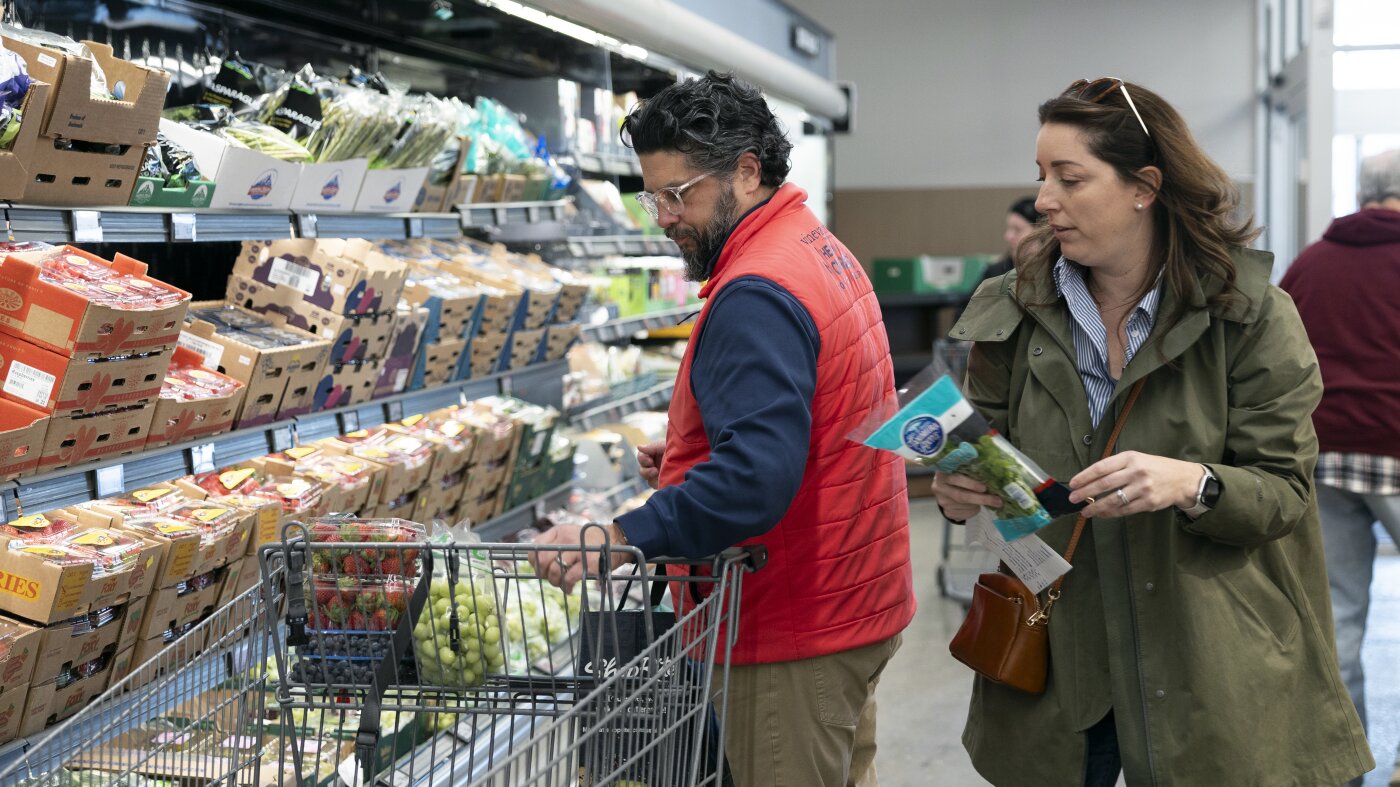
Rich Henderson and his wife Rachel Negro-Henderson used to feel awkward running into acquaintances at their local Aldi in Bellmawr, New Jersey. "People would not want to talk about why they were here, like it was a mistake," Negro-Henderson, a healthcare administrator, told NPR. "They just stumbled into a grocery store because they needed a tomato."
Fast forward a few years, and the shame has evaporated faster than a $4.99 rotisserie chicken at Costco. Now everyone's practically bragging about their savings. "Everyone's like, 'Yeah, I'm saving money. I might as well come here. I'm getting the same product,'" said Negro-Henderson, who lives in Audubon, N.J., with her husband and three kids.
The shift comes as a perfect storm of economic pressures - pandemic-era food insecurity, skyrocketing grocery prices, inflation, tariff threats, and corporate fun-and-games like shrinkflation and electronic shelf labels - have made putting affordable meals on the table feel like a competitive sport. "Consumers are just to a point where [they're saying], 'Give us a break,'" said grocery industry analyst Phil Lempert. "This is food. You don't screw around with our food."
Enter the discount grocery renaissance. Budget stores like Aldi, Lidl, Costco, and Sam's Club are winning over shoppers who've decided that fancy signage and service departments at places like Wegmans are not, in fact, edible. Aldi alone brought in 17 million new U.S. customers last year and opened nearly 200 new stores, with plans for another 180 this year. (Grocery Outlet, meanwhile, announced it would close 36 stores after its CEO admitted they "expanded too quickly.")
Consumer Reports recently crunched the numbers using Walmart as a baseline and found Aldi and Lidl were more than 8% cheaper, BJ's Wholesale Club was 21% cheaper, and Costco boasted prices 21.4% lower. Only six retailers beat Walmart on price - WinCo and H-E-B among them. Store-brand items are also having a moment: sales increased nearly three times faster than national name brands last year, per the Private Label Manufacturers Association.
Not everything is perfect in discount land. Negro-Henderson admits she can't always buy everything on her list at Aldi - "There's still things as a good New Jersey Italian that I will only buy from another store, lunch meat, stuff like that" - but she's philosophical about the extra trips: "There's bigger sacrifices in this world than having to run to another store to grab a shallot."
Social media is buzzing with budget-cooking creators like Kiki Rough, who posts Depression-era, recession-era, and wartime recipes on Instagram, TikTok, and Facebook. Recent hits include a bean-based "meatloaf" and an eggless French Toast casserole. Rough, who works as a marketing head at a tech firm by day, says she's seen everyone from entry-level workers to corporate executives struggling with food costs. "I honestly think that the most practical tip is giving yourself a mindset shift," Rough said. "You need to not be ashamed that we are in a difficult economy."
Lempert expects the frugal trend to stick. A December survey by AlixPartners found most respondents plan to spend as much or more on food in 2026, but will seek out cheaper groceries and avoid impulse buys. "People are using shopping lists more than ever before," Lempert said. "People are shopping more online, because they can compare prices easier. People are tired of getting ripped off on food prices." Gen Z and millennial shoppers, he added, care less about supermarket "bells and whistles" than their parents. "We're never going to go back to shopping the old way," Lempert concluded.
The Good Times
News in your inbox.
One sardonic roundup, delivered on your schedule. Free. Unsubscribe whenever your tolerance for wit runs out.
Already subscribed but we never reach your inbox? Check your spam folder and hit 'Not spam' (or 'Remove from spam') to bust us out of junk-mail purgatory. You'll be helping everyone else too.
Don't open any of our emails for a month and you'll be automatically removed from the mailing list.
Rewrite Article
Select parts to regenerate with a fresh AI pass. Translations will be updated automatically.
Generate AI Image
Creates a sardonic version of the article image using OpenAI.