Autistic Women Finally Get Diagnosed, Write Books, and Wonder Why It Took So Long
Women with autism, diagnosed late, write books to fill the information void left by decades of medical neglect - because if you can't find the manual, you write it yourself.
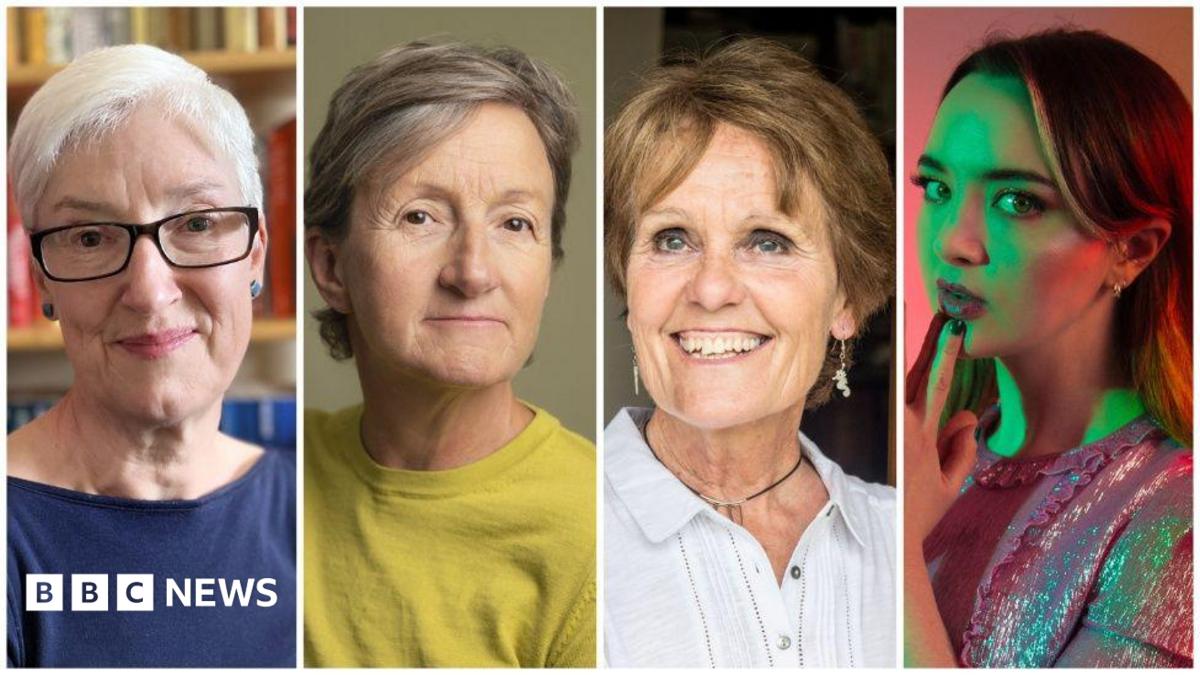
For decades, women with autism have been perfecting the art of camouflaging - blending in, masking, and pretending they're fine - while the medical establishment collectively shrugged. Now, diagnosed as adults, many are doing what any sensible person would do: writing books about it.
Alex Morgan took an online autism test while sick with Covid, mostly out of boredom. The result made everything click. "I had all these misconceptions," she says. "I thought it was monosyllabic boys, going around looking at their feet and collecting information about trains."
Comedian Fern Brady, author of Strong Female Character, learned about her own diagnosis from "19-year-old girls on TikTok" because apparently that's where the expertise was hiding. "I could only find information for parents of autistic kids. There was just an absolute void of information."
Sarah Hendrickx spent years diagnosing autism in boys and men, yet somehow missed it in herself. "I failed miserably to apply it to myself," she admits. Neuroscientist Gina Rippon notes that the spike in late diagnoses around 2020 revealed a hidden world of coping mechanisms. "Most of them had been trying to hide their autism," Rippon says. "They were camouflaging, they were desperate to be social and wanted to fit in."
Morgan, now 62, started The Autistic Woman website after her diagnosis three years ago. "I realised we are often invisible," she says. Her memoir Mothertongue was published this month. As a teenager, she had what her GP thought was a breakdown triggered by watching The War Game - a 1960s film about nuclear war. She was given sedatives. Now she recognizes it as autistic burnout. "It's when you become totally exhausted with trying to exist in a world that is not designed for how your brain works," she explains.
Brady, who sought a diagnosis after experiencing meltdowns, wrote her book despite fears it might tank her career. She also toured a stand-up show called Autistic Bikini Queen, later filmed for Netflix. "I actually got discouraged from mentioning that I was autistic when I first got diagnosed because it's still a bit of a dirty word, where ADHD isn't," she says. "So many people are using the word neurodivergent as a polite euphemism for autistic, which bugs me."
Rippon's book The Lost Girls of Autism (2025) investigates why women were overlooked for so long. The first autism studies in the 1940s included some girls, but the condition appeared more common in boys, and the gender divide became a "self-fulfilling prophecy." "If a young girl was having behavioural problems, whoever was presenting their concern was told girls don't get autism or she's shy, she'll grow out of it," Rippon says. Left undiagnosed, they faced serious mental health challenges, including high rates of suicidal ideation.
Morgan walked out of a high-pressure editing job one day, went to her partner's house, put on pyjamas, and stayed in bed for six months. Therapy helped, but her autism was missed. "It would have been lovely [to get a diagnosis], that would have been very helpful, to have known a long time ago. But realistically, in the 1980s, it was never going to happen."
Hendrickx, who wrote Women and Girls on the Autistic Spectrum, published a second edition in 2024 after noticing more women in their 40s seeking diagnoses. "Perimenopause was atrocious and appalling for me. The coping strategies that had kept me going throughout my life just didn't work anymore."
Brady, who has premenstrual dysphoric disorder, wishes medical professionals were more aware of how conditions affect autistic women. "Healthcare outcomes for autistic people are really poor. The way we communicate pain can be different. That can become dangerous and then illnesses get missed."
Rippon warns against the social media narrative that autism is "a kind of fashion accessory." She calls that "very toxic" and something to worry about. For now, these women are doing what they do best: making sure their stories are finally heard.
The Good Times
News in your inbox.
One sardonic roundup, delivered on your schedule. Free. Unsubscribe whenever your tolerance for wit runs out.
Already subscribed but we never reach your inbox? Check your spam folder and hit 'Not spam' (or 'Remove from spam') to bust us out of junk-mail purgatory. You'll be helping everyone else too.
Don't open any of our emails for a month and you'll be automatically removed from the mailing list.
Rewrite Article
Select parts to regenerate with a fresh AI pass. Translations will be updated automatically.
Generate AI Image
Creates a sardonic version of the article image using OpenAI.