Amsterdam Bans Ads for Meat and Fossil Fuels, Because the Planet Has Had Enough of Both
Amsterdam becomes the first capital to ban ads for meat and fossil fuels in public spaces, hoping to nudge citizens toward greener choices - but your phone's algorithm remains unimpressed.
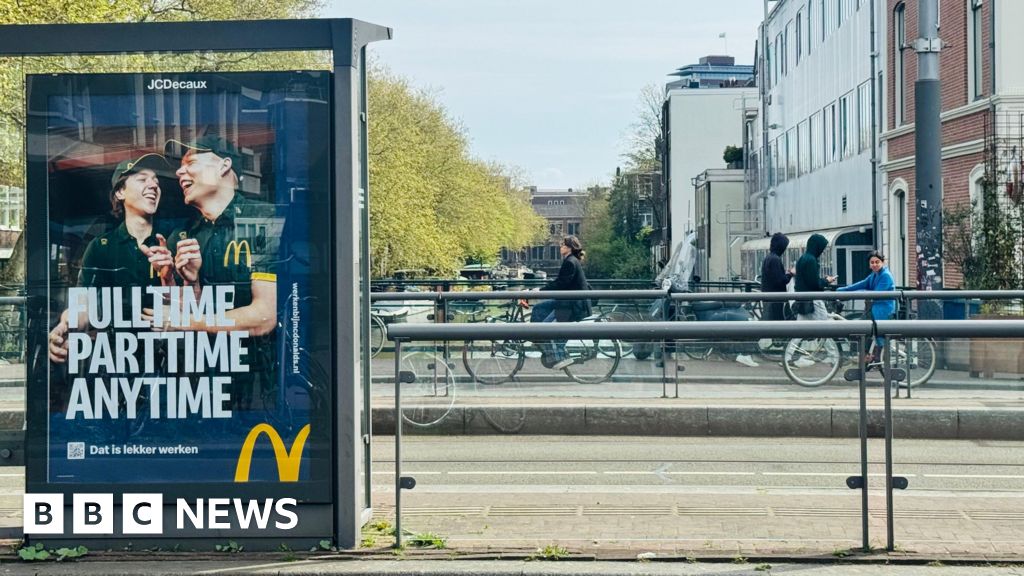
Amsterdam has officially become the world's first capital city to tell advertisers that burgers, petrol cars, and budget flights can no longer clutter up its billboards, tram shelters, and metro stations. Since 1 May, the city's public spaces have been scrubbed of ads for these products, leaving commuters to contemplate piano concerts and the Rijksmuseum instead of chicken nuggets and SUVs.
Politicians say the move is about aligning the streetscape with the city's own environmental goals: carbon neutrality by 2050, and a halving of meat consumption over the same period. "The climate crisis is very urgent," says Anneke Veenhoff from the GreenLeft Party, with the kind of understatement that suggests she's been staring at a wall of fast-food ads for too long. "If you want to be leading in climate policies and you rent out your walls to exactly the opposite, then what are you doing?"
Anke Bakker, group leader for the Party for the Animals, instigated the restrictions and rejects accusations of nanny-statism. "Everybody can just make their own decisions, but actually we are trying to get the big companies not to tell us all the time what we need to eat and buy," she says, in what sounds suspiciously like giving people more freedom. Removing the constant visual nudge, she argues, reduces impulse buying and signals that cheap meat and fossil-heavy travel are no longer aspirational lifestyle choices.
Meat accounted for only about 0.1% of Amsterdam's outdoor ad spend, compared to roughly 4% for fossil-related products. The ban's real impact may be political: grouping meat with flights, cruises, and petrol cars reframes it from a private dietary choice to a climate issue. Unsurprisingly, the Dutch Meat Association is not thrilled, calling it "an undesirable way to influence consumer behaviour" and insisting meat "delivers essential nutrients and should remain visible and accessible." The Dutch Association of Travel Agents and Tour Operators similarly complains that banning ads for holidays involving air travel is a disproportionate curb on commercial freedom.
For activists like lawyer Hannah Prins of Advocates for the Future, the meat ban aims to create a "tobacco moment" for high-carbon food. "If I look back at old pictures, you have Johan Cruyff in advertisements for tobacco. That used to be normal. He died of lung cancer," she says. "That you were allowed to smoke on the train, on restaurants. For me, that's like, whoa, why did people do that? So it really is like what we see in our public space is what we find normal in our society. And I don't think it's normal to see murdered animals on billboards."
Amsterdam isn't exactly breaking new ground here. Haarlem, 18km to the west, was the first city in the world to announce a broad ban on most meat advertising in public spaces in 2022, with the ban coming into force in 2024 alongside a fossil fuel ad prohibition. Utrecht and Nijmegen have since followed with their own measures. Globally, dozens of cities - Edinburgh, Sheffield, Stockholm, Florence, and even France nationwide - have banned or are moving to ban fossil-fuel advertising. Campaigners hope the Dutch approach linking meat and fossil fuels will serve as a legal and political blueprint.
Still, stand at a tram stop in Amsterdam and you might no longer see a juicy burger or a €19 flight to Berlin. Yet the same offers can still pop up in your social media algorithm. And let's face it, many of us would be looking down at our screens until the tram trundles along anyway. If municipal bans leave digital platforms untouched, how much real-world impact can they have? So far, there's no direct evidence that removing meat advertising from public spaces leads to a shift toward more plant-based societies.
But some researchers are cautiously optimistic. Prof Joreintje Mackenbach, an epidemiologist at Amsterdam University Medical Center, calls the move "a fantastic natural experiment to see" whether removing cues for fast food normalises healthier consumption. She points to a study claiming London Underground's 2019 ban on junk food adverts led to fewer people buying such products. Meanwhile, Prins, smiling by a canal, insists local businesses will benefit: "All the stuff that we love, we don't hear from through ads. It's usually through people that we know, or we walk past the building." She hopes big polluting companies will be "extra scared" and maybe rethink the products they sell. "I think you can really see that change is possible."
The Good Times
News in your inbox.
One sardonic roundup, delivered on your schedule. Free. Unsubscribe whenever your tolerance for wit runs out.
Already subscribed but we never reach your inbox? Check your spam folder and hit 'Not spam' (or 'Remove from spam') to bust us out of junk-mail purgatory. You'll be helping everyone else too.
Don't open any of our emails for a month and you'll be automatically removed from the mailing list.
Rewrite Article
Select parts to regenerate with a fresh AI pass. Translations will be updated automatically.
Generate AI Image
Creates a sardonic version of the article image using OpenAI.