Woman Takes 94-Mile Detour to Deposit Cheque, Gently Suggests Banks Remember Rural People Exist
A Cornwall woman drives 94 miles to deposit a £900 cheque after her bank's app rejects it for lacking perforated edges, sparking a plea for banks to remember rural communities exist.
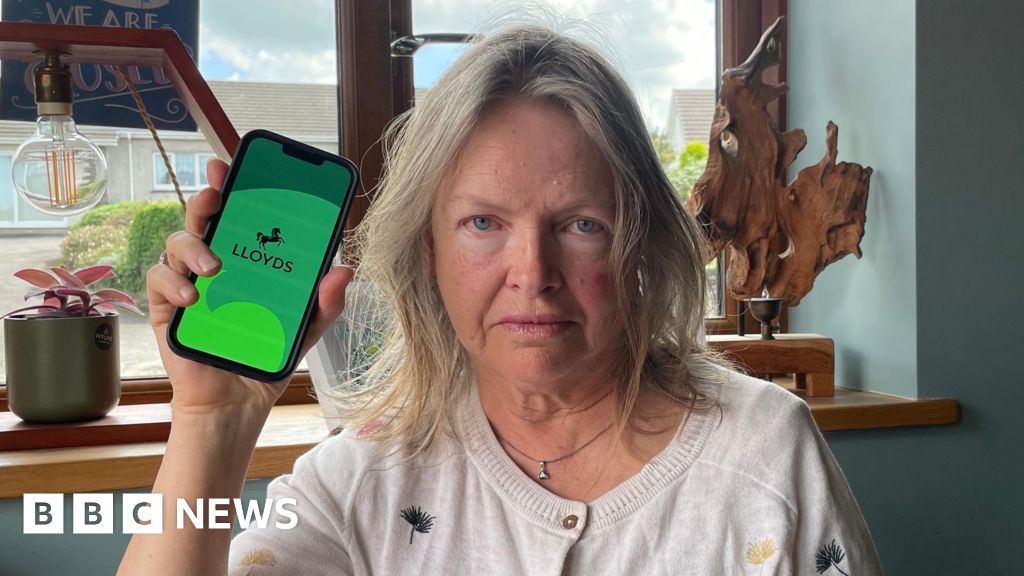
Annabel Yates, a resident of Crackington Haven in Cornwall, recently learned that the path to banking enlightenment is a 94-mile round trip to Truro. Her quest began with a £900 cheque from HM Revenue and Customs, which, lacking perforated edges, refused to cooperate with her bank's app - proving that even cheques can be passive-aggressive.
Yates then attempted to use her local Post Office, only to discover that Lloyds Banking Group had ended its cheque-deposit partnership with the Post Office in January. This left her with the choice of a 94-mile drive to Truro, the bank's app (which had already failed), or a freepost service that she deemed too risky for a cheque of that size. "Back in the day, Lloyds' ethos was to make banking easy," Yates noted. "I think this is a reversal of that."
Lloyds, for its part, pointed out that cheques now account for just 0.1% of UK payments, a statistic that offers little comfort to the 0.1% who still rely on them. The bank suggested customers use its app, visit any branch, or mail the cheque via freepost. HMRC chimed in to clarify that its cheques can indeed be scanned without perforated edges - a fact that might have been more useful before Yates's road trip.
Joanna Bickersteth, postmistress at Marshgate Post Office, confirmed that Yates's ordeal is no anomaly, noting that many customers are "frustrated" by the loss of the Post Office service. Even a new banking hub in Bude, she lamented, cannot accept cheques because it relies on Post Office facilities. So rural residents are left to choose between digital-only banking and a scenic drive that doubles as an endurance test.
The Good Times
News in your inbox.
One sardonic roundup, delivered on your schedule. Free. Unsubscribe whenever your tolerance for wit runs out.
Already subscribed but we never reach your inbox? Check your spam folder and hit 'Not spam' (or 'Remove from spam') to bust us out of junk-mail purgatory. You'll be helping everyone else too.
Don't open any of our emails for a month and you'll be automatically removed from the mailing list.
Rewrite Article
Select parts to regenerate with a fresh AI pass. Translations will be updated automatically.
Generate AI Image
Creates a sardonic version of the article image using OpenAI.