Wizz Air Boss Says Flight Prices Are Falling, Which Is Either Good News or a Trap
European flight prices are dropping as airlines use pre-war fuel hedges to lure nervous customers, but the underlying jet fuel crisis from the US-Israel war with Iran means this bargain window might slam shut faster than you can say 'Strait of…
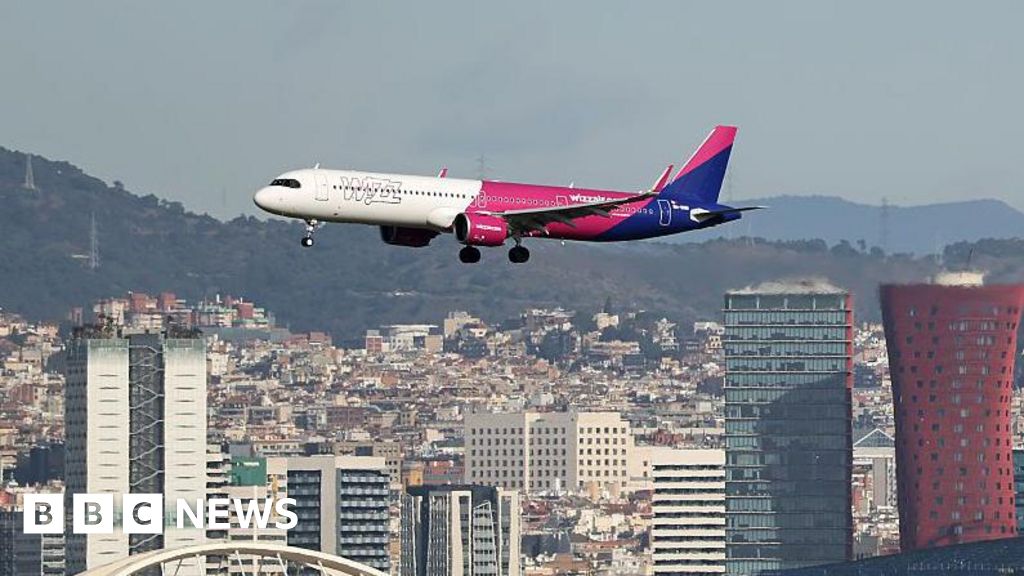
European flight prices are dropping, at least for now, because airlines are trying to convince nervous passengers that the US-Israel war with Iran hasn't made everything terrible yet. Wizz Air CEO József Váradi says carriers can afford short-term price cuts because they locked in fuel prices before the conflict started - a rare case of corporate hedging actually working out for consumers.
This cheerful outlook runs counter to most other airlines, which are busy hiking fares or slashing flights thanks to jet fuel costs that have gone bonkers. The price per metric tonne in Europe has more than doubled from $831 to $1,800 since February 28, when the US and Israel began attacking Iran, before settling back to around $1,500 - still historically eye-watering.
Europe imports over half its jet fuel from the Gulf region, but those supplies have been blocked for eight weeks by the Strait of Hormuz's effective closure due to the war. This has sparked fears of summer shortages and cancellations, though Váradi insists the panic is overblown. "I don't think we'll be running out of fuel," he told reporters, noting that tankers are already heading to the US to bring fuel to Europe. But if shortages do hit, he warned it would be a "complete mess" with some airports having fuel while others don't, and ultimately, "if there is not fuel anywhere, then you will have to cancel."
Váradi's logic for cheaper tickets: people are hesitant to book because they're worried about a bigger energy crisis, losing their jobs, or being unable to fill their cars with inflation through the roof. "That level of hesitancy can be overcome through price stimulation," he said, which is airline-speak for "we'll bribe you with discounts." Many carriers use fuel hedging - buying fuel in advance at fixed prices - which lets them absorb short-term cost spikes.
Spain's Minister for Industry and Tourism Jordi Hereu has a different take: buy now before prices really go up. "It's already clear that prices have risen and this could affect demand," he told Spanish newspaper Expansion, advising travelers to purchase tickets while airlines are still burning cheap kerosene.
Even if the war ended tomorrow, Váradi expects jet fuel prices to stay elevated for "a considerable period" - nine, 12, or 18 months - because apparently these things don't just vanish. Mark Tanzer, chief executive of the association for British travel agents, offered a soothing note: "We remain in close contact with airline bodies, who are not currently seeing disruption to jet fuel supply." So pack your bags, but maybe keep a backup plan.
The Good Times
News in your inbox.
One sardonic roundup, delivered on your schedule. Free. Unsubscribe whenever your tolerance for wit runs out.
Already subscribed but we never reach your inbox? Check your spam folder and hit 'Not spam' (or 'Remove from spam') to bust us out of junk-mail purgatory. You'll be helping everyone else too.
Don't open any of our emails for a month and you'll be automatically removed from the mailing list.
Rewrite Article
Select parts to regenerate with a fresh AI pass. Translations will be updated automatically.
Generate AI Image
Creates a sardonic version of the article image using OpenAI.