Texas Sun Finally Outshines Coal, Proving That Even Deep-Red States Can Have Nice Things
Solar power overtakes coal on the Texas grid for the first time ever, proving that even the sun can outshine a fossil fuel that's been coasting on reputation.
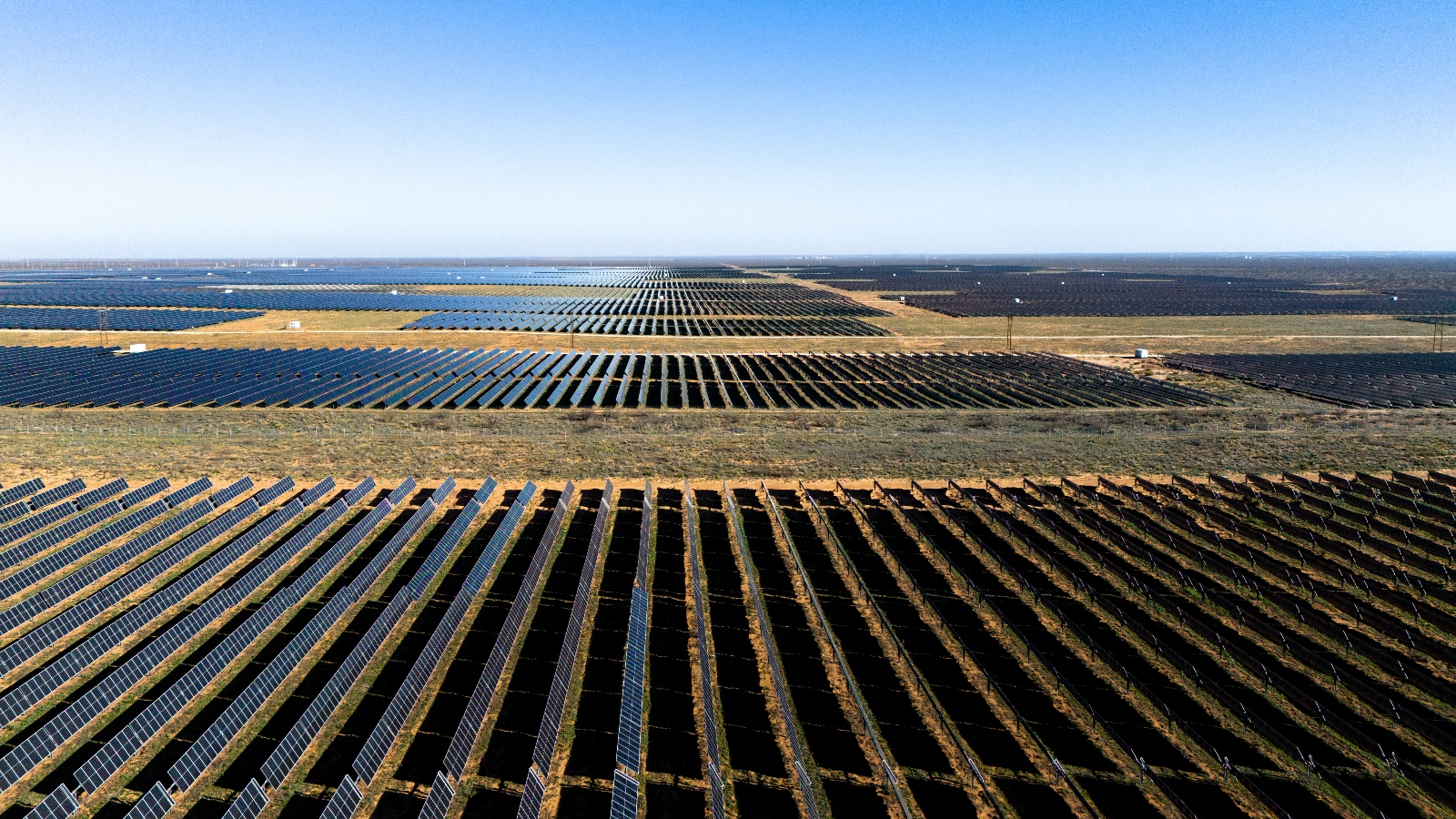
In a development that will surprise exactly no one who has ever looked at a Texas summer sky, solar power is set to generate more electricity than coal in the Electric Reliability Council of Texas (ERCOT) for the first time ever this year. Nobody is building new coal plants in the state, but developers are adding more solar there than anywhere else in the country. As a result, the federal government expects ERCOT will receive 78 billion kilowatt-hours from solar in 2026 and just 60 billion from coal.
This trend does have seasonal variations - last year, solar beat coal monthly from March through August, and this year it's expected to do so from March through December, per the U.S. Energy Information Administration (EIA). Nationally, the combination of wind and solar surpassed coal generation in 2024, per an analysis by Ember, a clean energy think tank. So Texas is actually ahead of the national curve in embracing the sun, which is the kind of Lone Star exceptionalism we can all get behind.
The Texas solar surge undercuts the prevailing energy narratives coming out of the Trump administration, which has attempted to boost coal and gas as tools of “energy dominance” while blocking renewables. The Department of Energy is keeping struggling coal plants on life support at great taxpayer expense, while the Interior Department blocks wind and solar on public lands. Trump officials argue coal is more reliable because it generates power around the clock, but even with that advantage, coal plants in Texas can't keep up with the rapidly growing solar fleet. This hasn't damaged grid reliability because ERCOT meets evening demand with a diverse portfolio including gas, nuclear, wind, and increasingly batteries that store solar power for when the sun stops shining.
Texas leaders didn't set out to disprove Trump's energy claims. The maverick state kept its electricity system out of federal regulators' hands and reformed it in the 1990s and early 2000s to promote free market competition. That market, plus lots of space and lax building regulations, has made an ideal environment for wind, solar, and batteries to flourish. Now Texas is fortified with tens of gigawatts of new capacity to tackle heat waves and temper price spikes.
Deep-red Texas offers lessons for liberal states that have committed to lofty climate goals yet failed to build much solar or batteries. They can't immediately switch to an ERCOT-style market, but they can speed up permitting and grid connection, dial back deference to habitually conservative legacy utilities, and make sure clean energy gets a fair shot. And it's always a good time to reexamine old market rules that subtly privilege entrenched players over cheaper, cleaner new entrants.
After more rapid-fire solar buildout, EIA expects ERCOT will produce 99 billion kilowatt-hours of solar in 2027 - up 27 percent from 2026. At that point, the upstart industry will have left its well-established coal competition in the dust.
The Good Times
News in your inbox.
One sardonic roundup, delivered on your schedule. Free. Unsubscribe whenever your tolerance for wit runs out.
Already subscribed but we never reach your inbox? Check your spam folder and hit 'Not spam' (or 'Remove from spam') to bust us out of junk-mail purgatory. You'll be helping everyone else too.
Don't open any of our emails for a month and you'll be automatically removed from the mailing list.
Rewrite Article
Select parts to regenerate with a fresh AI pass. Translations will be updated automatically.
Generate AI Image
Creates a sardonic version of the article image using OpenAI.