Survey Confirms Brits Still Judging Each Other by How They Talk, Because of Course
A new survey finds that one in ten Brits still feel judged by their accent at work, with Geordies, Cockneys, and Brummies bearing the brunt - because apparently, in 2024, we're still doing this.
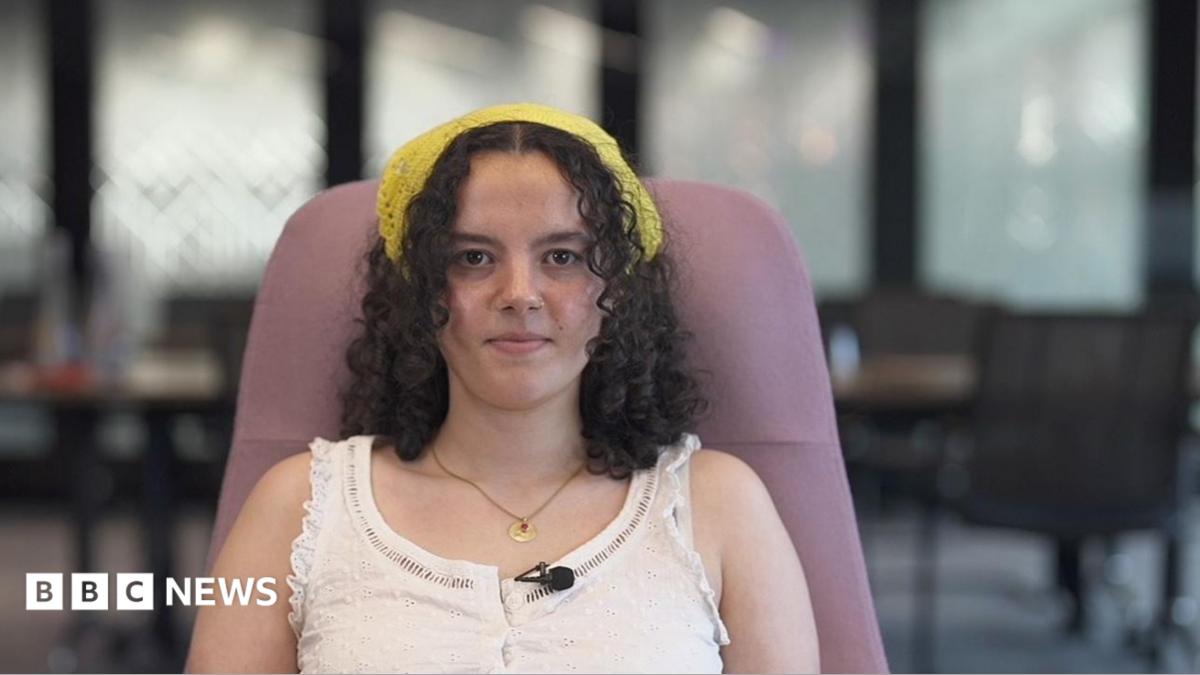
Mia Tanswell, a 22-year-old from Manchester, didn't think much about her accent until she hit university in Loughborough and suddenly felt like the northern kid in a room full of Queen's English speakers. 'Definitely in seminars I would sometimes feel like my accent would sound a bit less intellectual than other people,' she says, proving that imposter syndrome has a regional dialect.
She's not alone. Fresh polling from More in Common, surveying over 3,300 adults across England, Scotland, and Wales, reveals that one in ten Britons feel anxious about their accent in high-stakes professional settings - like speaking up in a business meeting, where apparently the stakes are higher than a pub quiz. The anxiety is highest among Geordies (from Newcastle) and Cockneys (east London) at 19%, followed by Welsh speakers at 18%. Meanwhile, 5% of respondents believe their accent has cost them a promotion, pay rise, or senior role, with Brummies (from Birmingham) feeling the sting most at 13%.
And if you're from the West Country, brace yourself: 15% of you report having your accent mocked or criticised by colleagues, narrowly beating out Geordies at 13%. Because nothing says 'professional workplace' like mocking someone's vowels.
The poll was commissioned by Common Ground, an organisation founded by Lara Newman, who spent over 30 years in construction and property and admits she changed her own accent to get ahead. 'I am incredibly realistic about what would have happened had I gone to university or gone into the workplace with a strong west country accent,' she says, adding that accents 'imply a level of education or otherwise. It implies class.'
Martha Powell, 24, from Newport, south Wales, loves her accent - 'if anything I wish it was more Welsh' - but still adapts it depending on where she is in the country, gravitating towards fellow Welsh speakers at networking events. Because nothing says 'networking' like seeking out your own accent tribe.
The survey found that 13% of Britons admit to changing the way they speak to sound more professional, with Cockneys and Scots leading the charge. And it's not just regional accents: Benjaimin Aidomoan, who came to the UK from the Czech Republic four years ago at 16, says his accent has made job-hunting harder, despite now working in a restaurant. 'You can just see on many people's faces, that the expression and the way they are looking at you and the way they are talking to you kind of changes,' he observes.
But there's hope. Charlotte Davies, career expert at LinkedIn, says 'the direction of travel is encouraging,' with hiring increasingly about skills, not background. 'Your accent is part of your story, and the workplaces getting this right treat that as a strength, not something to smooth out.' Sian Jackson, a partner at law firm Mills & Reeve, says her firm has changed its approach to encourage more local hiring and accent diversity, though she admits, 'We feel we've come a long way as a firm, but we are behind nationally compared to things like gender.'
So yes, we've made progress - but clearly, we still have a way to go before we stop judging people by how they pronounce 'bath.'
The Good Times
News in your inbox.
One sardonic roundup, delivered on your schedule. Free. Unsubscribe whenever your tolerance for wit runs out.
Already subscribed but we never reach your inbox? Check your spam folder and hit 'Not spam' (or 'Remove from spam') to bust us out of junk-mail purgatory. You'll be helping everyone else too.
Don't open any of our emails for a month and you'll be automatically removed from the mailing list.
Rewrite Article
Select parts to regenerate with a fresh AI pass. Translations will be updated automatically.
Generate AI Image
Creates a sardonic version of the article image using OpenAI.