Sudan's Invisible Children: Born in War, Denied Everything but a War Story
A 17-year-old survivor of war-time rape in Sudan can't register her baby's birth, leaving him legally invisible and doomed to a life without vaccines, school, or rights.
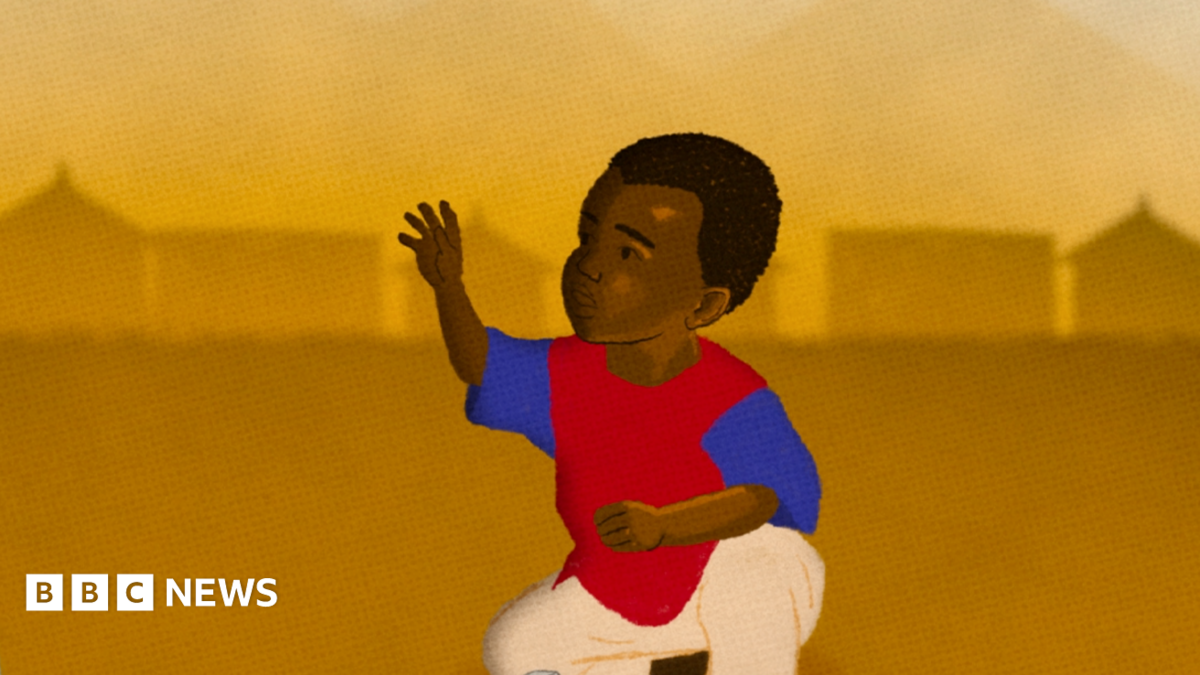
In a tale that could make even the most hardened cynic wince, a 17-year-old Sudanese girl named Amira (not her real name, because protecting her identity is about the only protection she's getting) holds her baby with a calm that belies the chaos surrounding them. Her son has no father, no birth certificate, and no national number - which, in Sudan's current administrative shambles, is about as close to a legal identity as a ghost.
Amira's nightmare began when her family fled el-Fasher, a city that fell to the Rapid Support Forces (RSF) and allied Arab militias in October after 18 months of siege. On their way out, she was abducted by three RSF men, blindfolded, and held in Tabit for two months, where she was raped daily. Discovering her pregnancy, she was eventually dumped near her capture point, rescued by fellow refugees, and gave birth at a hospital run by the International Medical Corps, with support from the Nada Al-Azhar Foundation for Disaster Prevention and Sustainable Development (Nada).
Eight months later, Amira still can't register her son's birth. "Even getting a birth notification from the hospital requires information that doesn't exist," she says, because the father is unknown. Without registration, no vaccines, no nursery, no school, no future. "I'm afraid for his future because he isn't registered at all," she adds, noting her economic situation is dire and she fears going to work, lest she face more violence.
Nada's director of protection programmes, Abu Bakr Yousif Yaqoub, says Amira's story is far from unique. "Registering a child requires a father's identity, but when he's absent or unknown, it's almost impossible," he explains from el-Fasher. The consequences ripple through a child's life: no vaccinations, no education, no travel, no official documents. And the true scale? Shaza Ahmed, Nada's director general, says social stigma keeps the numbers hidden. "Most of the mothers are themselves children - girls under 18 - who can't go to court or police without a guardian," she tells the BBC from Port Sudan. Her organisation finds that in 90% of cases, families refuse to report the assault that led to the pregnancy.
Ahmed fears a "whole generation that will live under stigma, danger and fear," denied services and rights, treated as less than "fully human." Sudanese law, however, is surprisingly progressive: the Child Act of 2010 allows registration of children born outside marriage, but only if the mother files an assault report - which, in a war zone with collapsed civil services and shuttered registry offices, is easier said than done. Lawyer Majida Idris insists, "The absence of documents doesn't just mean a missing piece of paper - it means denying the child access to education, healthcare, and legal recognition." She urges reactivating civil registry offices in accessible areas.
Amira and her child remain in Darfur, stuck in administrative limbo. But her mother, overwhelmed with gratitude at their reunion, says, "The reunion was like a miracle from God." Indeed, in a country where miracles are in short supply, finding each other might be the only victory left.
The Good Times
News in your inbox.
One sardonic roundup, delivered on your schedule. Free. Unsubscribe whenever your tolerance for wit runs out.
Already subscribed but we never reach your inbox? Check your spam folder and hit 'Not spam' (or 'Remove from spam') to bust us out of junk-mail purgatory. You'll be helping everyone else too.
Don't open any of our emails for a month and you'll be automatically removed from the mailing list.
Rewrite Article
Select parts to regenerate with a fresh AI pass. Translations will be updated automatically.
Generate AI Image
Creates a sardonic version of the article image using OpenAI.