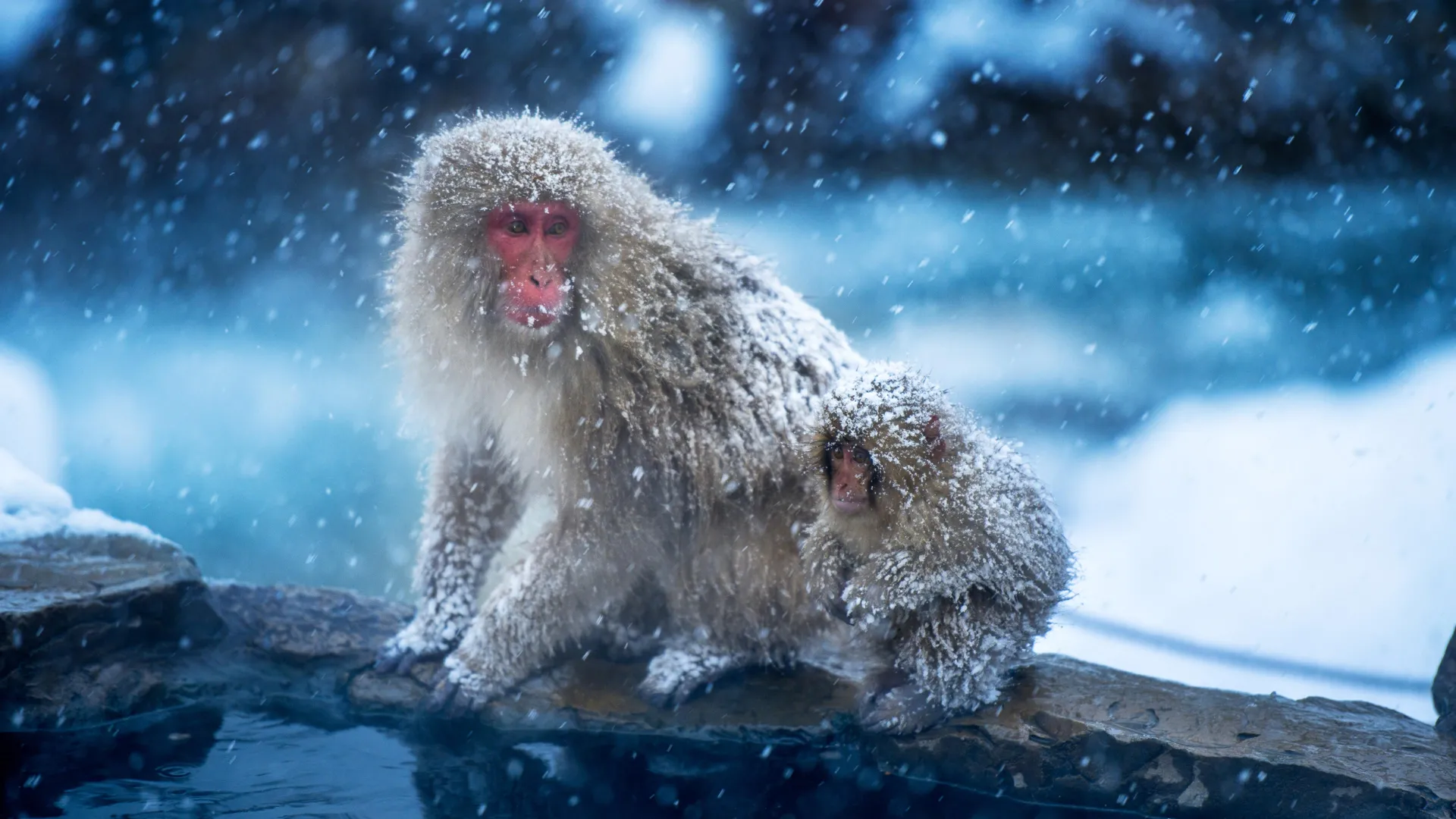
Study Suggests Our Primate Ancestors Were Cold-Weather Connoisseurs, Not Tropical Party Animals
New research suggests our primate ancestors evolved in cold, dry regions, not tropical jungles - proving that early humans were tougher than your average tropical party guest.
For decades, the popular image of early primates involved swinging through lush tropical forests, probably eating fruit and avoiding predators with the grace of a trapeze artist. But a new study suggests our ancestors were more like hardy mountain folk than jungle swingers.
As an ecologist who has studied chimpanzees and lemurs in Uganda and Madagascar, I am fascinated by the environments that shaped our primate ancestors. These new findings overturn decades of assumptions about how - and where - our lineage began.
The question of our own evolution is of fundamental importance to understanding who we are. The same forces that shaped our ancestors also shape us, and will shape our future. The climate has always been a major factor driving ecological and evolutionary change: which species survive, which adapt, and which disappear. And as the planet warms, lessons from the past are more relevant than ever.
The new scientific study, led by Jorge Avaria-Llautureo of the University of Reading and other researchers, maps the geographic origins of our primate ancestors and the historical climate at those locations. The results are surprising: rather than evolving in warm tropical environments as scientists previously thought, it seems early primates lived in cold and dry regions.
These environmental challenges were likely crucial in pushing our ancestors to adapt, evolve, and spread. It took millions of years before primates colonized the tropics. Warmer global temperatures didn't seem to speed up evolution, but rapid shifts between dry and wet climates did drive change.
One of the earliest known primates was Teilhardina, a tiny tree dweller weighing just 28 grams - similar to the smallest primate alive today, Madame Berthae's mouse lemur. Being so small, Teilhardina had a high-calorie diet of fruit, gum, and insects. Fossils suggest it had fingernails rather than claws, helping it grasp branches - a key primate trait. Teilhardina appeared around 56 million years ago, about 10 million years after dinosaurs went extinct, and dispersed rapidly from North America across Europe and China.
It's easy to see why scientists assumed primates evolved in warm, wet climates. Most primates today live in the tropics, and most fossils are found there. But when the researchers used fossil spore and pollen data to reconstruct ancient climates, they found those locations weren't tropical at the time. Primates actually originated in North America, despite no primates living there today.
Some even colonized Arctic regions, likely surviving cold and food scarcity by slowing their metabolism or hibernating, much like modern mouse lemurs and dwarf lemurs. Challenging conditions favored mobile primates that moved around for food and habitat. The species alive today descended from those highly mobile ancestors; the less mobile left no descendants.
The study highlights the value of studying extinct animals and their environments. To conserve today's primates, we need to know how they are threatened and how they'll react. Understanding evolutionary responses to climate change is crucial. When habitats are lost - often through deforestation - primates can't move freely. With smaller populations in smaller areas, they lack genetic diversity to adapt.
But we need more than knowledge: we need political action and individual behavior change to tackle bushmeat consumption, reverse habitat loss, and address climate change. Otherwise, all primates risk extinction, ourselves included.
The Good Times
News in your inbox.
One sardonic roundup, delivered on your schedule. Free. Unsubscribe whenever your tolerance for wit runs out.
Already subscribed but we never reach your inbox? Check your spam folder and hit 'Not spam' (or 'Remove from spam') to bust us out of junk-mail purgatory. You'll be helping everyone else too.
Don't open any of our emails for a month and you'll be automatically removed from the mailing list.
Rewrite Article
Select parts to regenerate with a fresh AI pass. Translations will be updated automatically.
Generate AI Image
Creates a sardonic version of the article image using OpenAI.