Study Finds That Donor Eggs Don't Fully Reset the Reproductive Clock, Because of Course They Don't
New study finds that donor eggs can't fully reverse reproductive ageing, with a steep drop in success rates after 49 - because even the womb keeps a calendar.
Older women face a lower chance of fertility treatment working even when using young donor eggs, with a marked drop-off from around age 49, new research suggests. Experts studying 1,774 women say the findings challenge the idea that donor eggs can fully "reset" the reproductive clock - but should not put older couples off trying, because hope is a powerful thing.
Women aged 49 and over had double the risk of miscarriage compared to those aged 35 to 40, and were also less likely to get pregnant. The culprit? Age-related changes in the womb lining, which researchers believe could be treatable in the future. Because apparently, even with fresh eggs, the uterus still remembers how old you are.
Lead researcher Dr. Beatrice Crestani, from an assisted reproduction medical institute in Italy, says reproductive ageing has been seen as an ovarian issue - swap old eggs for young ones, and you "reset" the clock. "Our findings suggest the picture is more complex," she adds, in what may be the understatement of the fertility world.
In the study, women in their mid-to-late 30s had a 54% chance of getting pregnant with donor eggs and IVF; that fell to about 43% for those 49 or older. Live birth rates declined from 46% to 32%, while miscarriage rates increased from 24% to 38%. The researchers also noticed age-related changes to the endometrium - where a fertilised egg implants - in older women. Thickness was similar, but condition declined with age. So, the womb gets older too, which is just one more thing to look forward to.
Dr. Crestani added: "These findings should not discourage women from pursuing donor-egg treatment, because success rates remain meaningful even at advanced ages." Meaningful, but not as meaningful as they'd like. "However, patients should be counselled that donor eggs cannot completely eliminate the effects of reproductive ageing, particularly beyond 49 years." For those keeping score, that means the reset button is more of a snooze button.
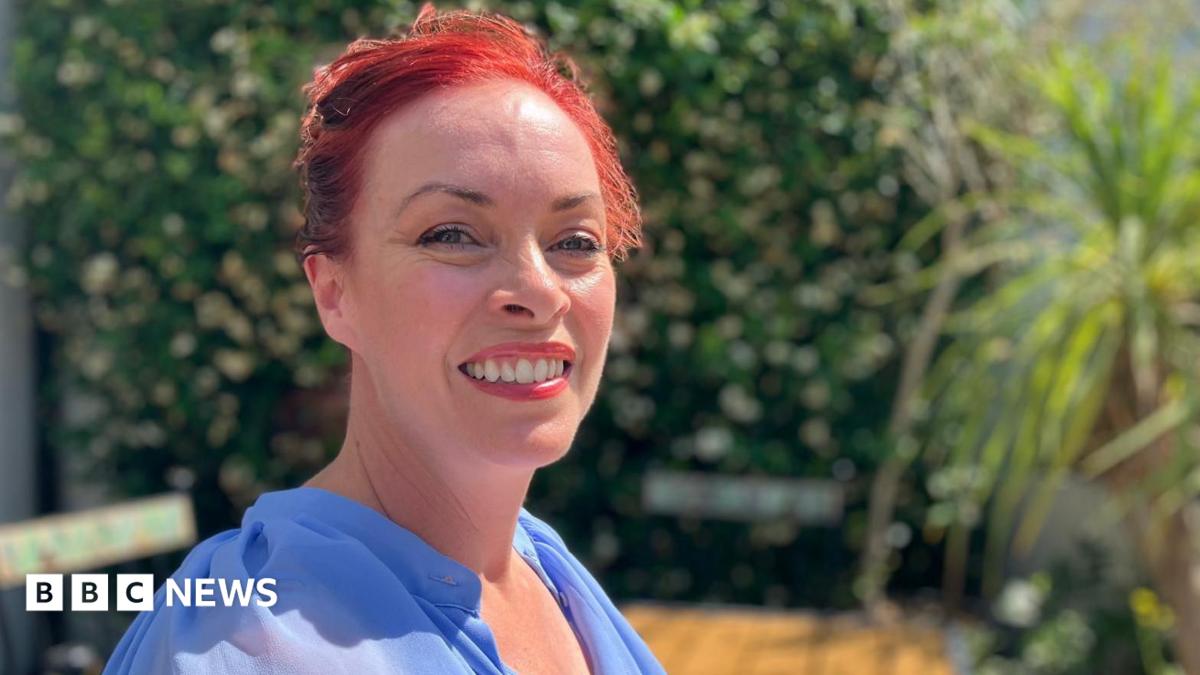
Take Sharon Marshall, This Morning's TV soap expert, who went through six years of IVF in her 40s and gave birth to her daughter Betsey at 46. "We look at celebrities who have given birth in their late 40s, early 50s and beyond. We celebrate them. We don't know what hell they've been through," she said. "Looking back I think I spent most of my 40s really in a state of illness and depression and it was a complete loss of autonomy over my body." She had made a pact to quit at 47 if it didn't work. "We had two losses before we finally got there on the seventh round." Her advice? "Let's be honest with women about the difficulties they may face."
Experts stress that womb and ovary health varies from woman to woman - because biology loves exceptions. In the UK, there is no legal upper age limit for IVF, unlike Greece, which cuts off at 54. UK regulators ask private clinics to assess the welfare of the resulting child and the recipient's physical ability to carry a pregnancy safely. NHS guidelines recommend up to three IVF cycles for women under 40, and one cycle for those 40-42. Patients using donor eggs usually self-fund that part - adding financial strain to the emotional rollercoaster.
The study is being presented at the European Society of Human Reproduction and Embryology (ESHRE) and published in a medical journal. Prof. Borut Kovacic, Chair-elect of ESHRE, says researchers are trying to understand the "cross-talk" between embryo and womb lining. This study identifies an age threshold for loss of uterine function, but it's unlikely to be absolute. "It provides important information for patients and offers a valuable foundation for future research aimed at identifying novel biomarkers of uterine ageing," he added. Translation: We have no idea how to fix it yet, but we're working on it.
Dr. Ippokratis Sarris, chair elect of the British Fertility Society, recommends more research and says pregnancies can be riskier for older women, meaning couples should have thorough checks and counselling. Because if you're going to gamble with biology, you should at least know the odds.
The Good Times
News in your inbox.
One sardonic roundup, delivered on your schedule. Free. Unsubscribe whenever your tolerance for wit runs out.
Already subscribed but we never reach your inbox? Check your spam folder and hit 'Not spam' (or 'Remove from spam') to bust us out of junk-mail purgatory. You'll be helping everyone else too.
Don't open any of our emails for a month and you'll be automatically removed from the mailing list.
Rewrite Article
Select parts to regenerate with a fresh AI pass. Translations will be updated automatically.
Generate AI Image
Creates a sardonic version of the article image using OpenAI.