
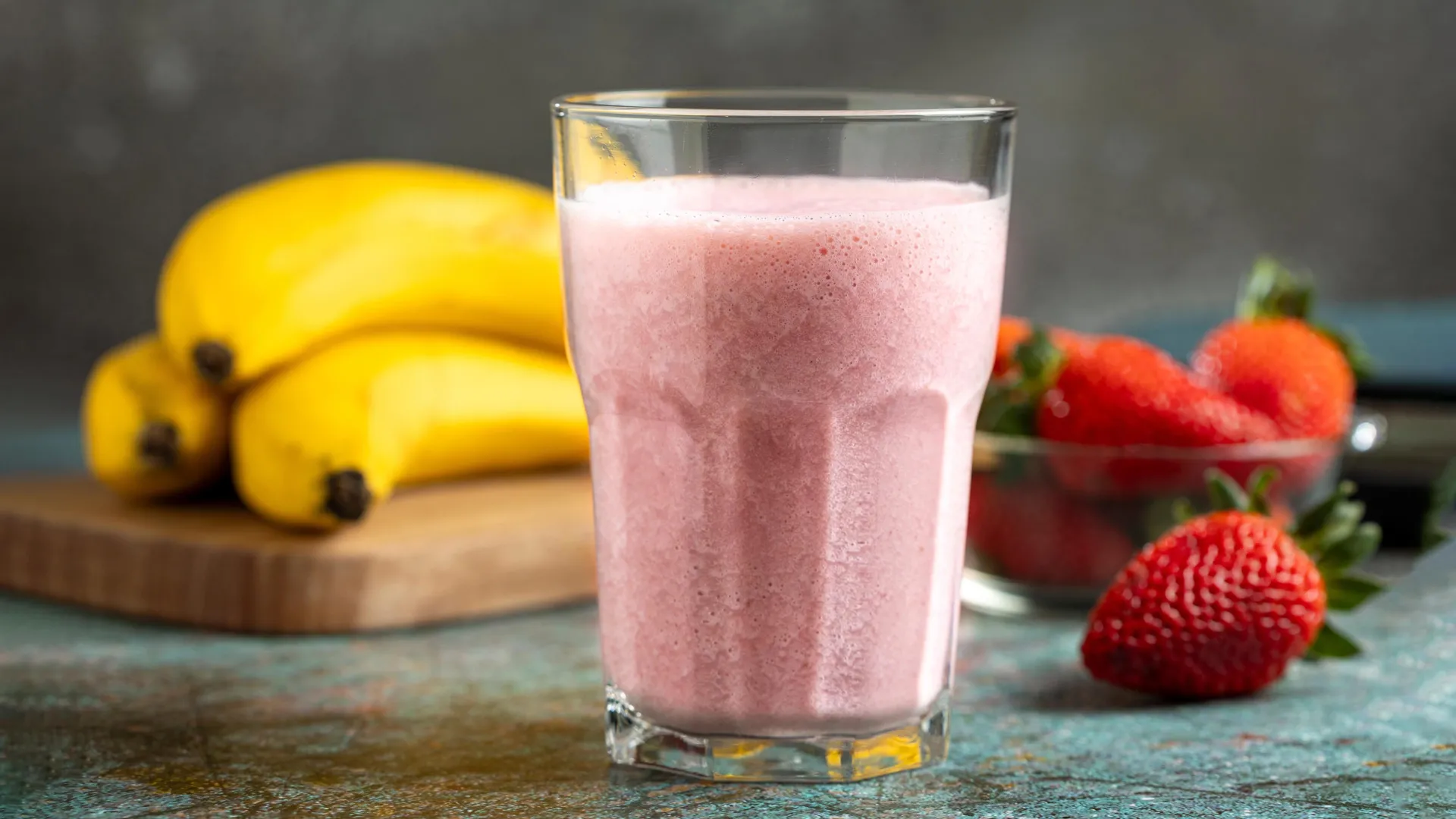
Smoothies are the breakfast of champions who want to pretend they're getting their five-a-day in one glorious, blended gulp. Toss in a banana, some berries, hit blend, and you've got what looks like a perfectly healthy drink. But researchers at the University of California, Davis have delivered some bad news for banana loyalists: that popular combo may be sabotaging your nutrient intake in ways you didn't expect.
The problem isn't that bananas are unhealthy - they're still packed with fiber, potassium, and other good stuff. The issue is more insidious: an enzyme called polyphenol oxidase, or PPO, which bananas have in spades. In a study published in the Royal Society of Chemistry journal Food & Function, the team found that high-PPO fruits like bananas can slash the amount of flavanols your body actually absorbs from a smoothie. Flavanols are natural plant compounds linked to heart and cognitive health, found in apples, pears, blueberries, blackberries, grapes, cocoa, and other smoothie regulars.
“We sought to understand, on a very practical level, how a common food and food preparation like a banana-based smoothie could affect the availability of flavanols to be absorbed after intake,” said lead author Javier Ottaviani, who directs the Core Laboratory of Mars Edge (part of Mars, Inc.) and works as an adjunct researcher with UC Davis Nutrition. Anyone who's sliced an apple or peeled a banana has seen PPO in action - it's the enzyme behind that browning reaction. The team wondered if that same process was messing with your smoothie's nutritional payoff.
To test this, they whipped up fresh smoothies with high-PPO bananas and low-PPO mixed berries. Participants drank a banana smoothie, a berry smoothie, and took a flavanol capsule as a control. Then the researchers checked blood and urine samples to see how much flavanol actually made it into the body. The difference was, as they say, striking: people who drank the banana smoothie had 84% lower flavanol levels compared to the control. The low-PPO berry smoothie, meanwhile, kept flavanol levels similar to the capsule.
“We were really surprised to see how quickly adding a single banana decreased the level of flavanols in the smoothie and the levels of flavanol absorbed in the body,” Ottaviani said. “This highlights how food preparation and combinations can affect the absorption of dietary compounds in foods.” A second test had participants consume flavanols alongside a high-PPO banana drink but kept the ingredients separate until after intake - and flavanol levels still dropped, suggesting PPO might keep working its mischief even in the stomach.
Now, before you swear off bananas forever, take a breath. The Academy of Nutrition and Dietetics recommends 400 to 600 milligrams of flavanols per day for cardiometabolic health, which you can get from tea, apples, berries, grapes, and cocoa. The study's lesson is more surgical: if your smoothie's main goal is to maximize flavanols from berries, grapes, or cocoa, maybe leave the banana out - or enjoy it separately. For flavanol-friendly smoothies, Ottaviani suggests pairing berries with low-PPO ingredients like pineapple, oranges, mango, or yogurt.
The study was small - eight healthy men in the first part, 11 in the second - so don't treat it as gospel. Nutrition experts urge calm: smoothies with bananas are still nutritious, especially as part of a varied diet. But the takeaway is simple: ingredient combinations matter. A smoothie isn't just a pile of nutrients in a glass; how they interact affects the final nutritional payoff.
This research fits into a larger flavanol buzz. The COSMOS-related cocoa study found that 500 milligrams of cocoa flavanols per day didn't boost cognition for everyone, but showed potential for older adults with poorer diets. So if you're blending berries for their flavanols, pay attention to your partners. And for banana lovers, no need to break up - just separate your smoothie goals: use bananas for creaminess and potassium, and save the high-flavanol combos for lower-PPO allies.
Ottaviani noted that tea, another major flavanol source, could also be affected by preparation methods. “This is certainly an area that deserves more attention in the field of polyphenols and bioactive compounds in general,” he said. The study was funded by Mars, Inc., which has a vested interest in cocoa flavanols - but hey, at least they're honest about it.