Slopocalypse Now: The Internet Is Drowning in AI-Generated Text and We're All Just Janitors Now
AI-detection company Pangram says 35% of new websites are AI-generated, the Pope's AI warning was probably written by AI, and we're all just slop janitors now.
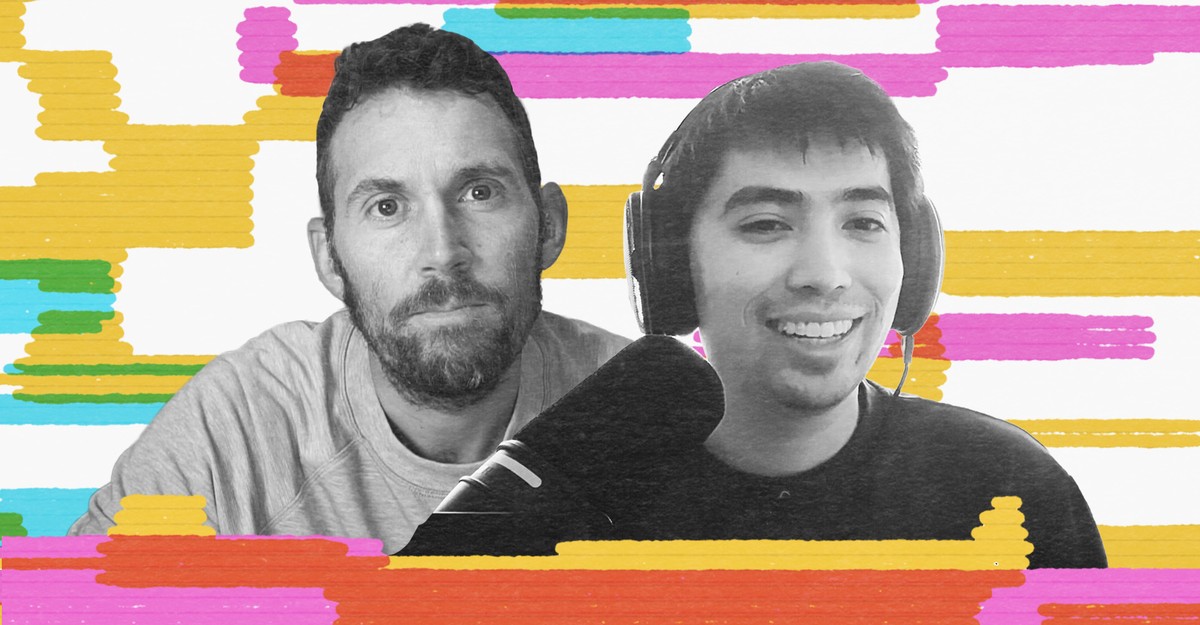
In a development that surprises absolutely no one who has spent more than five minutes on the internet lately, the majority of online content is apparently now written by machines that have never felt a single emotion. On a recent episode of The Atlantic's Galaxy Brain podcast, host Charlie Warzel sat down with Max Spero, co-founder of the AI-detection company Pangram, to discuss what happens when the internet becomes an all-you-can-eat buffet of synthetic slop.
Spero, who jokingly refers to himself as a "slop janitor," runs a company that uses machine learning to try to distinguish human writing from AI-generated text. Pangram claims a false-positive rate of one in 10,000 - meaning it only mistakes a human for a chatbot once every ten thousand times, which is either impressively accurate or a terrifying indictment of how much human writing already sounds like it was generated by an algorithm.
The company has already made headlines. Wired reported that Pangram flagged an April thread from the Pope's X account - ironically, a warning about the dangers of AI - as likely written with AI assistance. The Vatican did not respond to requests for comment, presumably because they were busy contemplating whether divine inspiration counts as a large language model. Meanwhile, tech journalist Taylor Lorenz used the tool to scan Substack newsletters and found some top-ranked publications were "publishing 100% AI-generated content, according to Pangram, seemingly with no human editing whatsoever."
According to a Pangram survey, 35 percent of newly published websites on the open internet in 2025 were AI-generated or AI-assisted. Internet users are overwhelmingly cynical about this: 75 percent of people polled felt an AI-dominated internet would be less accurate, and 83 percent believe AI will collapse unique writing styles into a bland monoculture. Spero fears this erosion of trust and authenticity, noting that AI-generated content threatens to degrade the quality of human writing and pollute the internet with hallucinations and misinformation.
Spero described the trend as the "drop shipping-fication of writing," with YouTube tutorials promising "How to make $1,000 a month publishing AI-generated books." He suspects most of those claims are as fake as the books themselves, but the courses selling the dream are apparently quite profitable. The arms race continues: coders are already building tools to introduce errors into AI writing or strip out AI conventions to make it seem more human - because nothing says authenticity like intentionally adding typos to your robot prose.
As Spero put it: "I want to see people using AI to cure cancer and make senior care easier. And I also don't want to see AI polluting the internet." A noble goal, but given that we're currently drowning in AI-generated LinkedIn posts about "synergizing paradigms" and Tinder profiles accidentally leaving in ChatGPT's "Would you like me to make this funnier?" prompts, the slopocalypse may already be here.
The Good Times
News in your inbox.
One sardonic roundup, delivered on your schedule. Free. Unsubscribe whenever your tolerance for wit runs out.
Already subscribed but we never reach your inbox? Check your spam folder and hit 'Not spam' (or 'Remove from spam') to bust us out of junk-mail purgatory. You'll be helping everyone else too.
Don't open any of our emails for a month and you'll be automatically removed from the mailing list.
Rewrite Article
Select parts to regenerate with a fresh AI pass. Translations will be updated automatically.
Generate AI Image
Creates a sardonic version of the article image using OpenAI.