Scientists Discover Termites Will Gladly March to Their Own Death for a Nice Smell
Researchers found that adding a pleasant pine scent to insecticide lures termites to their doom with 95% efficiency, proving even pests have fatal aesthetic preferences.
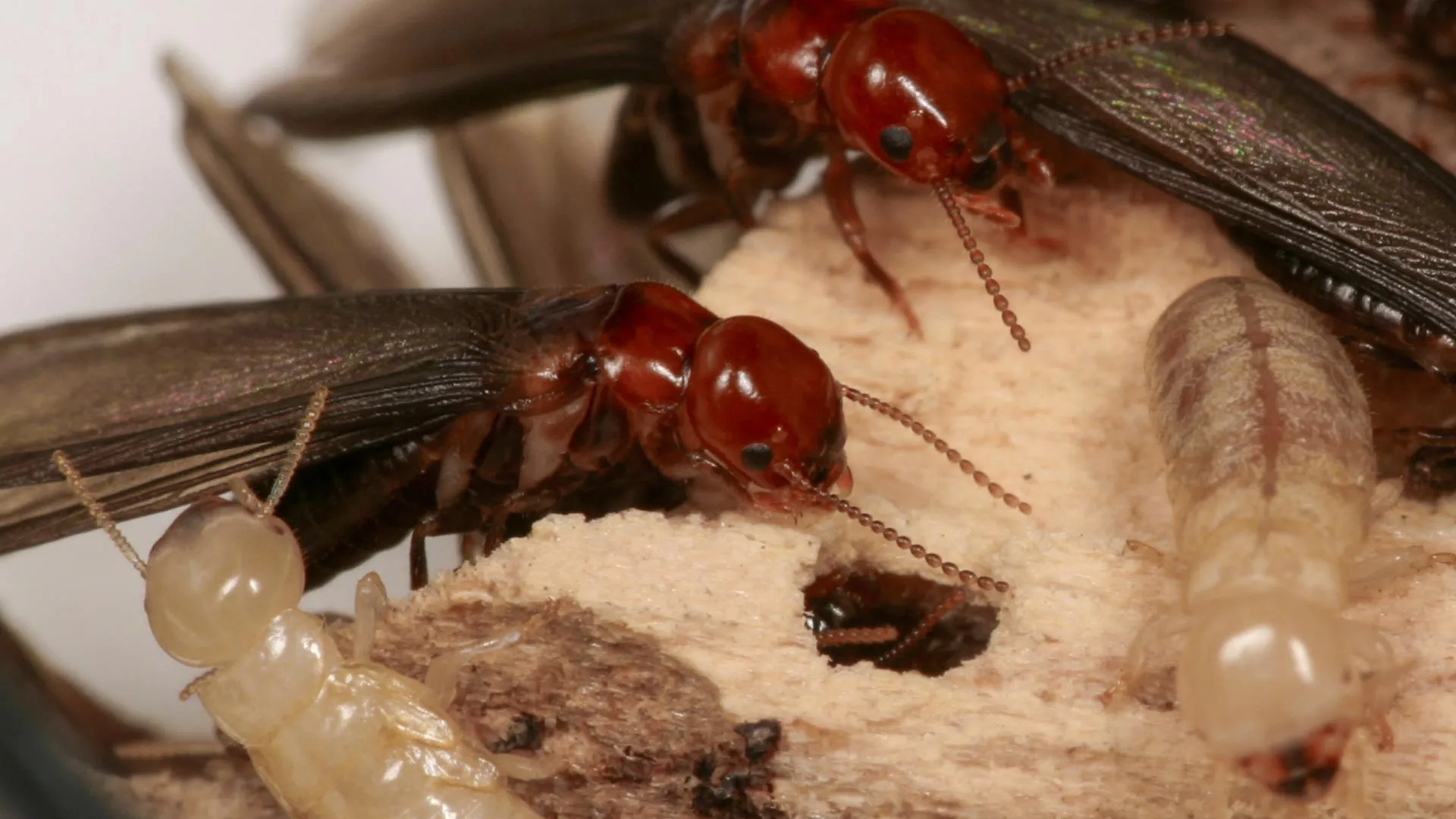
In a stunning revelation that pest control professionals will likely bill you extra for, scientists at UC Riverside have found a cheaper, highly effective way to kill western drywood termites. The trick? Lure them with a pleasant scent called pinene, a compound released by forest trees, straight toward insecticide-treated wood. This cunning strategy boosted termite mortality from about 70% with insecticide alone to over 95% when pinene was added, according to a study in the *Journal of Economic Entomology*.
"We saw significant differences in the death rates," said UCR entomologist Dong-Hwan Choe, who led the discovery. "Without pinene, we got about 70% mortality. When we added it in, it was over 95%." The termites, it seems, are suckers for ambiance.
These insects are native recyclers in North America, helping break down dead wood. This admirable ecological role becomes a serious headache when they decide your home's structural lumber is just another dead tree. They are a persistent concern in California, Florida, parts of Canada, and Mexico. "It's only a matter of time before termites attack a house, especially in warmer parts of the states," Choe noted, offering a comforting thought for homeowners.
The current go-to treatment is fumigation, where a home is sealed under a tent and filled with gas. California uses this method more than any other U.S. state. However, the chemical used, sulfuryl fluoride, is toxic to humans, acts as a greenhouse gas, is costly, and doesn't prevent reinfestation. "Some people fumigate every three to five years because it doesn't protect structures from future infestations," Choe said.
A cheaper alternative is localized injection, where pest control workers drill into infested wood and inject insecticide directly. It uses fewer chemicals, costs less, and may protect the wood longer. The catch? You have to find the termites first. These insects hide in complex tunnel systems, and standard insecticides only work on contact.
Enter pinene. The scent appears to draw termites from a distance, reducing the need for a perfect hide-and-seek champion. "Even at low concentrations, pinene is good at attracting termites from a distance," Choe explained. The researchers don't think it's a pheromone. "We think the scent is more associated with their food. Smells nice… dinner time!"
The insecticide used in the 2024 study was fipronil, also used against ants. While fipronil can harm aquatic insects and pollinators in the environment, injecting it into wood lowers the chance of off-target effects.
Choe's lab focuses on understanding how urban insect pests communicate chemically to develop smarter control strategies. "Our study shows that if you understand insect behavior better, it's interesting by itself," Choe said. "Then there are also important implications for more effective pest management, so we can use fewer chemicals without compromising efficiency." In other words, knowing your enemy's weakness for a nice pine scent is both fascinating and fatal.
The Good Times
News in your inbox.
One sardonic roundup, delivered on your schedule. Free. Unsubscribe whenever your tolerance for wit runs out.
Already subscribed but we never reach your inbox? Check your spam folder and hit 'Not spam' (or 'Remove from spam') to bust us out of junk-mail purgatory. You'll be helping everyone else too.
Don't open any of our emails for a month and you'll be automatically removed from the mailing list.
Rewrite Article
Select parts to regenerate with a fresh AI pass. Translations will be updated automatically.
Generate AI Image
Creates a sardonic version of the article image using OpenAI.