Scientists Confirm Powder in Your Yogurt Might Fight Arthritis (and You Don't Even Have to Exercise)
A daily inulin supplement reduced knee arthritis pain and improved grip strength in a trial, with a 3.6% dropout rate versus 21% for physical therapy - because powder is easier than push-ups.
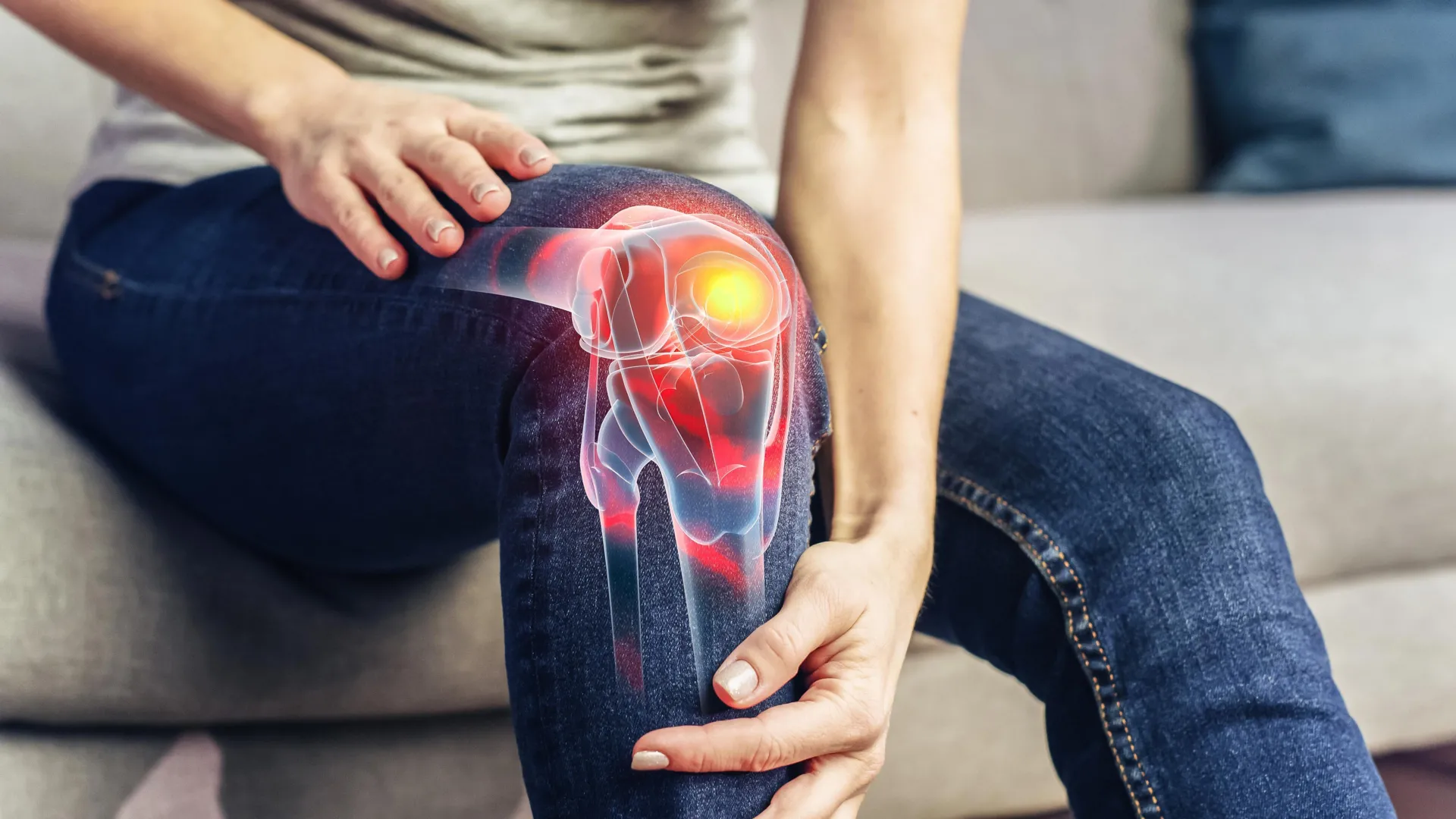
In a development that will delight anyone who has ever looked at a physical therapy regimen and thought "absolutely not," researchers at the University of Nottingham have found that a daily fiber supplement may reduce knee arthritis pain and improve muscle strength. The supplement in question is inulin, a prebiotic fiber found in chicory root and Jerusalem artichokes - which is to say, things you probably aren't eating enough of.
The clinical trial, published in the journal Nutrients, involved 117 adults with knee osteoarthritis (OA) and lasted six weeks. Participants were divided into four groups: inulin alone, digitally supported physical therapy exercises (PSE) alone, a combination of both, or a placebo. The results were promising: both inulin and physical therapy independently reduced knee pain, but only the inulin group showed additional benefits like improved grip strength and reduced pain sensitivity. Because nothing says "comprehensive care" like a powder you stir into breakfast.
Perhaps the most striking finding was the dropout rate. Only 3.6% of participants taking inulin alone dropped out, compared with 21% of those assigned to physical therapy alone. In other words, people were roughly six times more likely to stick with a tasteless powder than a structured exercise program. Shocking, we know.
"This study raises the exciting possibility that a simple dietary change - adding a fiber supplement to your breakfast or yogurt - could meaningfully reduce pain and improve physical function," said Dr. Afroditi Kouraki, lead author from the School of Medicine at the University of Nottingham. She also noted that the low dropout rate was "encouraging from a public health perspective," presumably because public health officials have long dreamed of interventions people actually follow through on.
The science behind the supplment is a bit more complex. Inulin is a prebiotic, meaning it feeds beneficial gut bacteria rather than supplying live microorganisms like probiotics. When those bacteria ferment inulin, they produce short-chain fatty acids (SCFAs), including butyrate, which supports the intestinal lining and may influence inflammation and pain pathways. The researchers found that participants taking inulin had increased levels of butyrate, suggesting the supplement was indeed doing something in the gut.
They also observed higher levels of glucagon-like peptide-1 (GLP-1), a hormone released by the gut that regulates blood sugar and appetite - and has recently become famous as the target of drugs like Ozempic and Wegovy. But before you get any ideas: the inulin supplement was not a GLP-1 medication. It simply appeared to support the body's own production of the hormone. Higher GLP-1 levels were associated with better grip strength, hinting at a "gut-muscle-pain axis" that researchers are keen to explore further.
"The link we observed between GLP-1 and grip strength is particularly intriguing and points to a broader gut-muscle-pain axis that warrants further investigation," said senior author Professor Ana Valdes. "This could have implications not just for osteoarthritis, but for understanding how gut health influences aging and physical resilience more broadly." Because if there's one thing science loves, it's a new axis.
The trial, called INSPIRE, was randomized and controlled, but it was also relatively small (117 participants) and short (six weeks). Larger, longer studies will be needed to confirm whether the benefits last and to figure out who responds best. The researchers also caution that fiber supplements are not a replacement for exercise or other treatments - just a potentially useful addition. So don't cancel your gym membership just yet.
Arthritis affects hundreds of millions worldwide, and according to Arthritis UK, six in ten people with the condition live in pain most or all of the time. "The pain of arthritis can severely impact quality of life," said Professor Lucy Donaldson, Director of Research at Arthritis UK. "This exciting preliminary research highlights how diet and physiotherapy can act in different ways to have benefits for people with arthritis." She added that a variety and balance of healthy foods, including fiber, and regular physical activity matter - a message that remains stubbornly true, supplement or no supplement.
So, for those with knee osteoarthritis, the takeaway is cautiously optimistic: a simple daily fiber supplement might help reduce pain and improve strength, and it's a lot easier to stick with than a workout plan. But as always, the researchers say, more research is needed - and maybe a bit of exercise too.
The Good Times
News in your inbox.
One sardonic roundup, delivered on your schedule. Free. Unsubscribe whenever your tolerance for wit runs out.
Already subscribed but we never reach your inbox? Check your spam folder and hit 'Not spam' (or 'Remove from spam') to bust us out of junk-mail purgatory. You'll be helping everyone else too.
Don't open any of our emails for a month and you'll be automatically removed from the mailing list.
Rewrite Article
Select parts to regenerate with a fresh AI pass. Translations will be updated automatically.
Generate AI Image
Creates a sardonic version of the article image using OpenAI.