Paper’s Sticky Problem: Glue Is Ruining Recycling, So Germany Invented Laser Sealing and Ultrasonic Welding
Europe’s new recycling rules are forcing packaging makers to stop using glue, so German engineers are turning to lasers and ultrasonic welding to seal paper - because nothing says ‘innovation’ like a laser-sealed toilet paper roll.
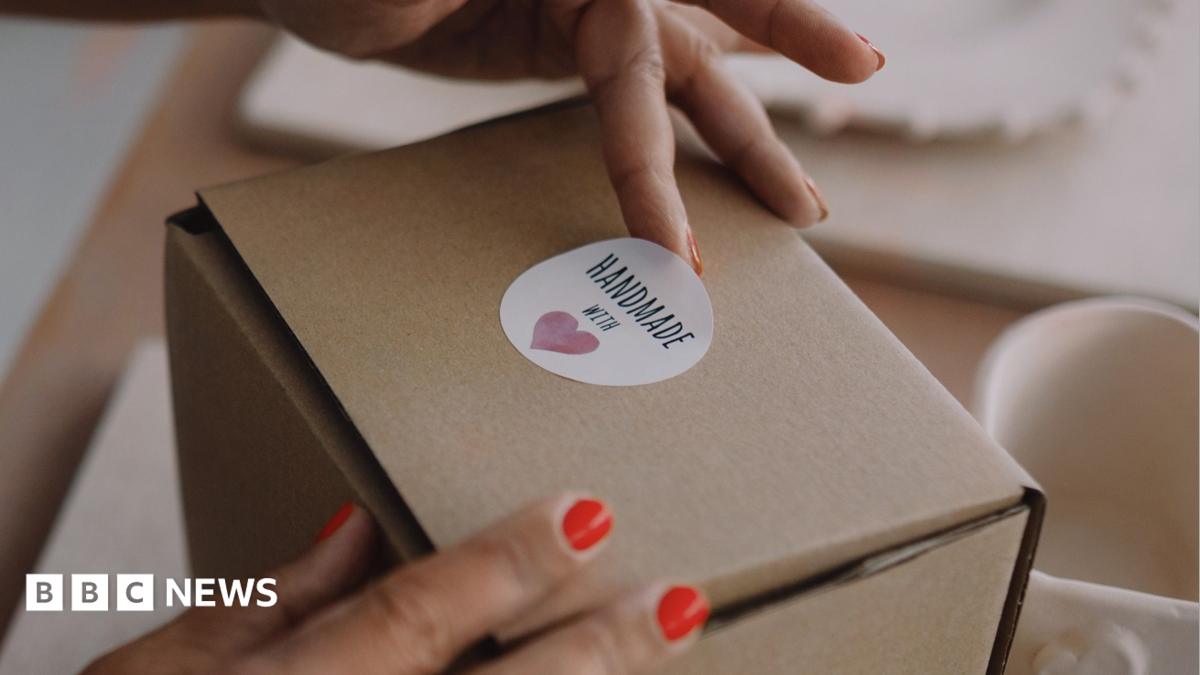
Paper packaging is great for the environment - until someone puts a sticker on it. Then it’s basically garbage. That’s because the adhesives, or “stickies” as the industry affectionately calls them, gum up recycling machinery and turn perfectly good recycled paper into inferior pulp. NC State University scientists say it’s a mess, and it’s a shame because Europe recycled about 74% of its paper and board in 2024. But help is on the way, mostly from Germany, where they take their packaging very seriously.
Starting in August, the European Union’s new Packaging and Packaging Waste Regulation (PPWR) demands that all packaging be at least 70% recyclable by 2030, rising to 80% by 2038. Germany is also adding stricter reporting and licensing fees. So, naturally, clever Germans are inventing ways to skip the glue entirely.
Three German firms - Fraunhofer, Hermann Ultraschall, and Henkel - have teamed up (loosely) to solve the sticky problem. Fraunhofer’s PAPURE project, launched in 2023, uses lasers to heat-seal paper without any adhesive. They’re hoping to find an industry partner after the project closes in September to bring the tech to market. Researcher Fabian Kayatz says they might have the first solution out in two years.
Meanwhile, Hermann Ultraschall bought rights to an ultrasonic paper sealing technology - essentially welding paper shut. Business development head Michael Baumann says they’re in talks with “really big players” to get it into mass production. One customer reportedly told him, “This is an innovation we have never seen before.” High praise from someone who presumably sees a lot of boxes.
But it’s not all smooth sailing. Existing machinery is designed for glue, and swapping it out is expensive and time-consuming. Fraunhofer’s Volker Franke thinks existing machines can be retrofitted with a laser module, but production speed is still slower than glue-based lines. Also, these new technologies don’t work on all paper types, and Fraunhofer hasn’t cracked food-grade packaging yet - which is why plastic still rules the yogurt aisle.
Henkel, however, has a solution for that. In February, they launched the first cold seal solution that works with barrier-coated paper, making it both recyclable and food-safe. No heat needed, so your chocolate bar won’t melt. It’s already being used in snack and confectionery products (though Henkel won’t say which ones). They also have a heat seal solution that helped Italian brand Regina switch from plastic to paper for toilet paper and napkins.
Dr. Arianna Savini at Henkel calls it a “system shift” that requires engaging the whole supply chain, but says the PPWR deadline is creating good momentum. Jamie Stone, a packaging expert at PA Consulting, notes that paper recycling is simpler than plastic, but warns that things can go wrong - like a yogurt pot where the lid pulls out the liner, leaving a messy, partially sealed mess. Not a good consumer experience.
And there’s an even bigger problem: paper often doesn’t get recycled because it gets dirty or mixed with other trash before it even reaches the plant. Ambarish Mitra, co-founder of waste analytics platform Greyparrot, points out that poor collection and sorting are the real culprits, not the glue. Still, Stone says new sealing technologies are “a smart place to start,” and we’ll see real sustainability benefits as they mature and match the speed and cost of plastic packaging lines.
The Good Times
News in your inbox.
One sardonic roundup, delivered on your schedule. Free. Unsubscribe whenever your tolerance for wit runs out.
Already subscribed but we never reach your inbox? Check your spam folder and hit 'Not spam' (or 'Remove from spam') to bust us out of junk-mail purgatory. You'll be helping everyone else too.
Don't open any of our emails for a month and you'll be automatically removed from the mailing list.
Rewrite Article
Select parts to regenerate with a fresh AI pass. Translations will be updated automatically.
Generate AI Image
Creates a sardonic version of the article image using OpenAI.