At a House environment subcommittee hearing Tuesday, the National Oceanic and Atmospheric Administration (NOAA) found itself in the awkward position of having to defend a proposed 26% budget cut for fiscal year 2027 - a plan that would terminate 35 projects and institutes. Even some Republicans, who usually love a good budget slash, were not thrilled.
Rep. Brian Babin (R-TX), chair of the House Committee on Science, Space, and Technology, voiced concern about eliminating grants that support extreme weather event warnings. He noted that after catastrophic floods in Kerr County, Texas, last July 4, he is “particularly sensitive” to efforts improving flash flood warnings. “I am concerned eliminating these grants would stymie future improvements,” he said, in what may be the understatement of the hearing.
The proposed budget would cut over $1 billion from NOAA’s programs and, for the second consecutive year, attempt to eliminate the Office of Oceanic and Atmospheric Research (OAR). Last year, Congress rejected that idea and kept the office funded. Rep. Zoe Lofgren (D-Calif.) pointed out the obvious: “The budget mentions terminating programs to realign to NOAA’s mission, but the mission… to protect lives and property… requires research as well as operational capacity. All of which the administration appears to be suggesting be cut.”
NOAA Administrator Neil Jacobs defended the cuts by promising to transfer research programs to operational offices like the National Weather Service. “It’s really the extramural research that’s going to be cut,” he said, which is like saying you’re not canceling dinner, just the appetizers, the main course, and dessert.
The cuts threaten the Global Monitoring Laboratory in Boulder, Colorado, which analyzes air samples from a global network of measurement stations. The lab was already disrupted by a federal grant funding pause earlier this month, causing staff furloughs. Funds were released on April 16, and staff returned - for now. Rep. Joe Neguse (D-Colo.) called the proposal “reckless and short-sighted.”
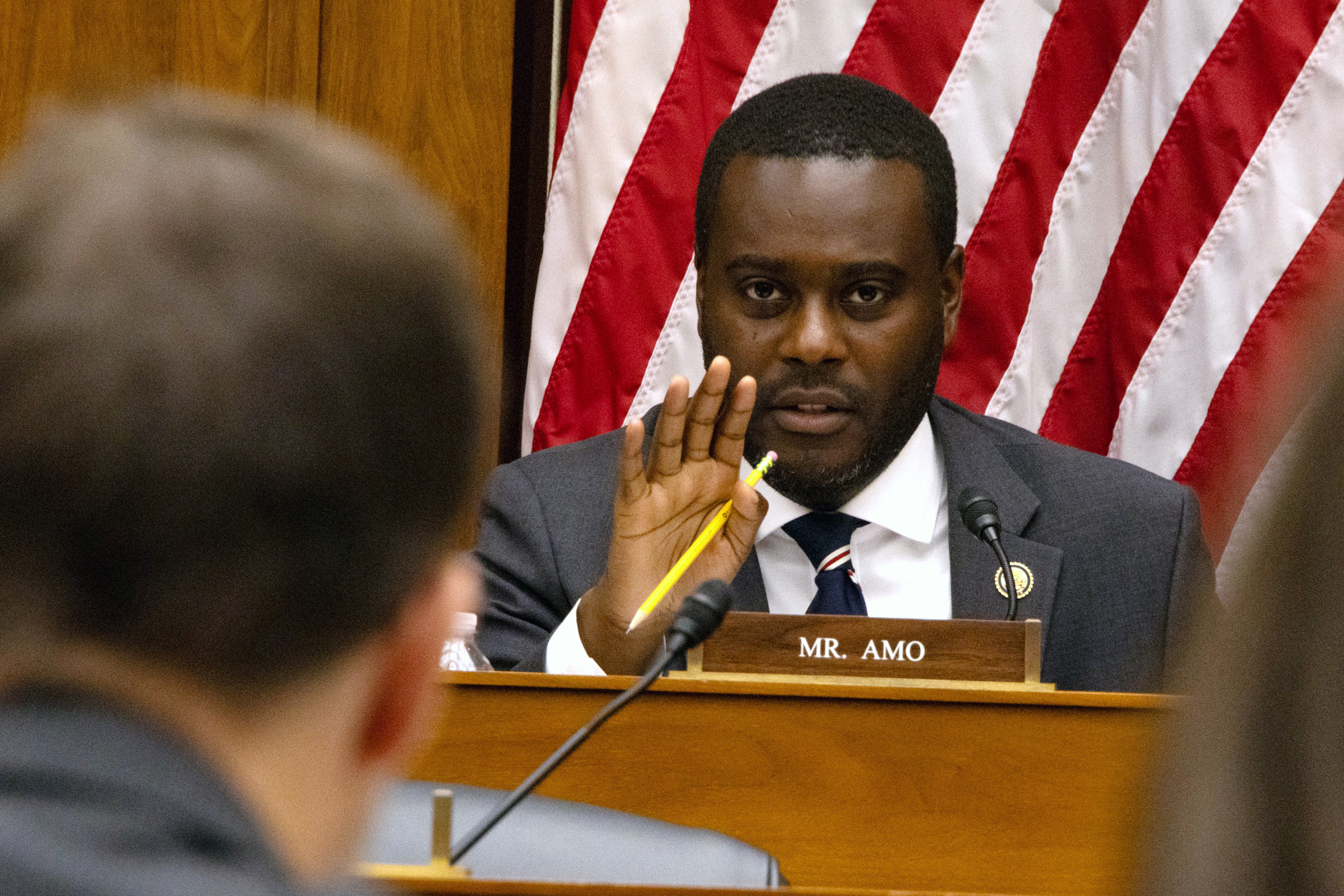
The budget would also eliminate funding for the Mauna Loa observatory, where scientists first spotted rapidly increasing CO2 levels in 1958 - a discovery that basically launched modern climate science. Also on the chopping block: the National Sea Grant College Program, a network of 34 university projects supporting marine and coastal research. Rep. Gabe Amo (D-R.I.) noted that a $94 million federal investment in 2024 leveraged $1.5 billion in economic benefits, creating 21,000 jobs. “Cutting that is not saving money, it’s costing us opportunity,” he said.
Some Republicans applauded the budget, particularly increased funding for critical minerals exploration. Rep. Scott Franklin (R-Fla.) praised the restructuring as creating a “more nimble and flexible workforce.” Environmental groups were less impressed. Katherine Tsantiris of Ocean Conservancy warned the cuts “would weaken weather forecasting, disrupt fisheries management and stall ocean research - putting American lives, livelihoods and global scientific leadership at risk.” Joanna Slaney of the Environmental Defense Fund added that the cuts contradict the administration’s goal of American seafood competitiveness.
Congress rejected similar cuts last year, though it did transfer some OAR funds to the National Weather Service. Whether they’ll do so again remains to be seen. As Slaney put it: “NOAA’s work saves lives and supports a thriving economy, and Congress should again reject these shortsighted cuts.”
The Good Times
News in your inbox.
One sardonic roundup, delivered on your schedule. Free. Unsubscribe whenever your tolerance for wit runs out.
Already subscribed but we never reach your inbox? Check your spam folder and hit 'Not spam' (or 'Remove from spam') to bust us out of junk-mail purgatory. You'll be helping everyone else too.
Don't open any of our emails for a month and you'll be automatically removed from the mailing list.
Rewrite Article
Select parts to regenerate with a fresh AI pass. Translations will be updated automatically.
Generate AI Image
Creates a sardonic version of the article image using OpenAI.