New Study Finds Climate Culprits That Have Been Hiding in Plain Smog
New Science paper says 15% of warming comes from indirect pollutants like carbon monoxide that aren't on any climate treaty - because apparently we needed more things to worry about.
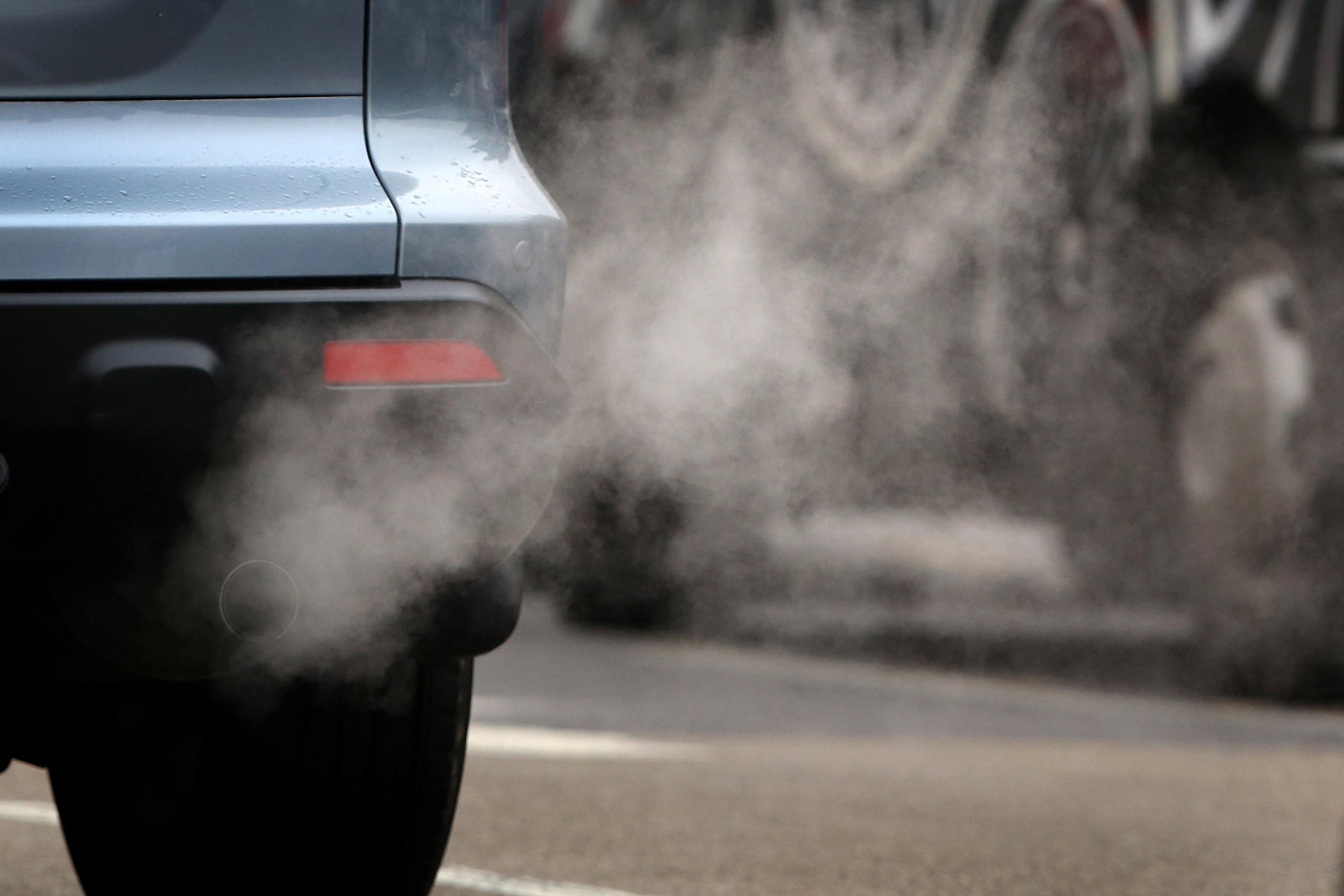
Record-high global temperatures, it turns out, have some accomplices that have been flying under the regulatory radar. Unlike the headline-grabbing carbon dioxide, these emissions don’t warm the planet directly. Instead, they’re atmospheric troublemakers that trigger reactions creating more greenhouse gases or making the existing ones stick around longer - like bad guests who invite more bad guests.
A paper published Thursday in the journal Science reveals that 15 percent of human-driven global warming comes from these indirect interactions. None of these pollutants appear on the international climate treaty list that forms the basis for nations’ pledges to cut back. The authors, including Ilissa Ocko - a former climate advisor for the U.S. Department of State now at Spark Climate Solutions - say it’s time for that to change.
The major players are carbon monoxide and non-methane volatile organic compounds, which together account for most of that 15 percent. Black carbon, commonly known as soot, also chips in. These drivers were left out of the 1997 Kyoto Protocol because, at the time, there wasn’t enough detail to form policy commitments. Now, the authors - working with groups including the Environmental Defense Fund and a former U.S. deputy special envoy for climate - think there’s enough data to act, synthesizing information from the Intergovernmental Panel on Climate Change’s 2021 Sixth Assessment Report.
But integrating these pollutants into policy will be an uphill battle. Vaishali Naik, a National Oceanic and Atmospheric Administration scientist and IPCC author, notes that while the argument for including them has been made since the late 1990s, “persistent scientific and political challenges remain.” Michael Gerrard of Columbia University’s Sabin Center for Climate Change Law adds that the political climate in many countries isn’t exactly ripe for stronger rules, given the struggle to meet current emission reduction goals.
Still, the paper’s finding “highlights an important missing piece of the climate regulatory picture,” Gerrard says. The collective impact of these indirect pollutants tops all but two of the seven greenhouse gases on the Kyoto list. The upside? Unlike carbon dioxide, which lingers for centuries, their contributions are short-lived. Reducing them could slow global warming in the near term - a critical benefit given we’re “already seeing damages,” Ocko says.
Ironically, these pollutants are already regulated as health-harming air pollutants in multiple countries, including the U.S. - carbon monoxide contributes to smog, for instance. Ocko is optimistic that policy work on them can both slow warming and improve air quality. “I’m excited to see where all of this goes,” she says, “and hopefully we can uncover new mitigation opportunities.”
The Good Times
News in your inbox.
One sardonic roundup, delivered on your schedule. Free. Unsubscribe whenever your tolerance for wit runs out.
Already subscribed but we never reach your inbox? Check your spam folder and hit 'Not spam' (or 'Remove from spam') to bust us out of junk-mail purgatory. You'll be helping everyone else too.
Don't open any of our emails for a month and you'll be automatically removed from the mailing list.
Rewrite Article
Select parts to regenerate with a fresh AI pass. Translations will be updated automatically.
Generate AI Image
Creates a sardonic version of the article image using OpenAI.