 ScienceDaily
Study Finds Wildlife Noticed Humans Even Before We Paved Everything Over
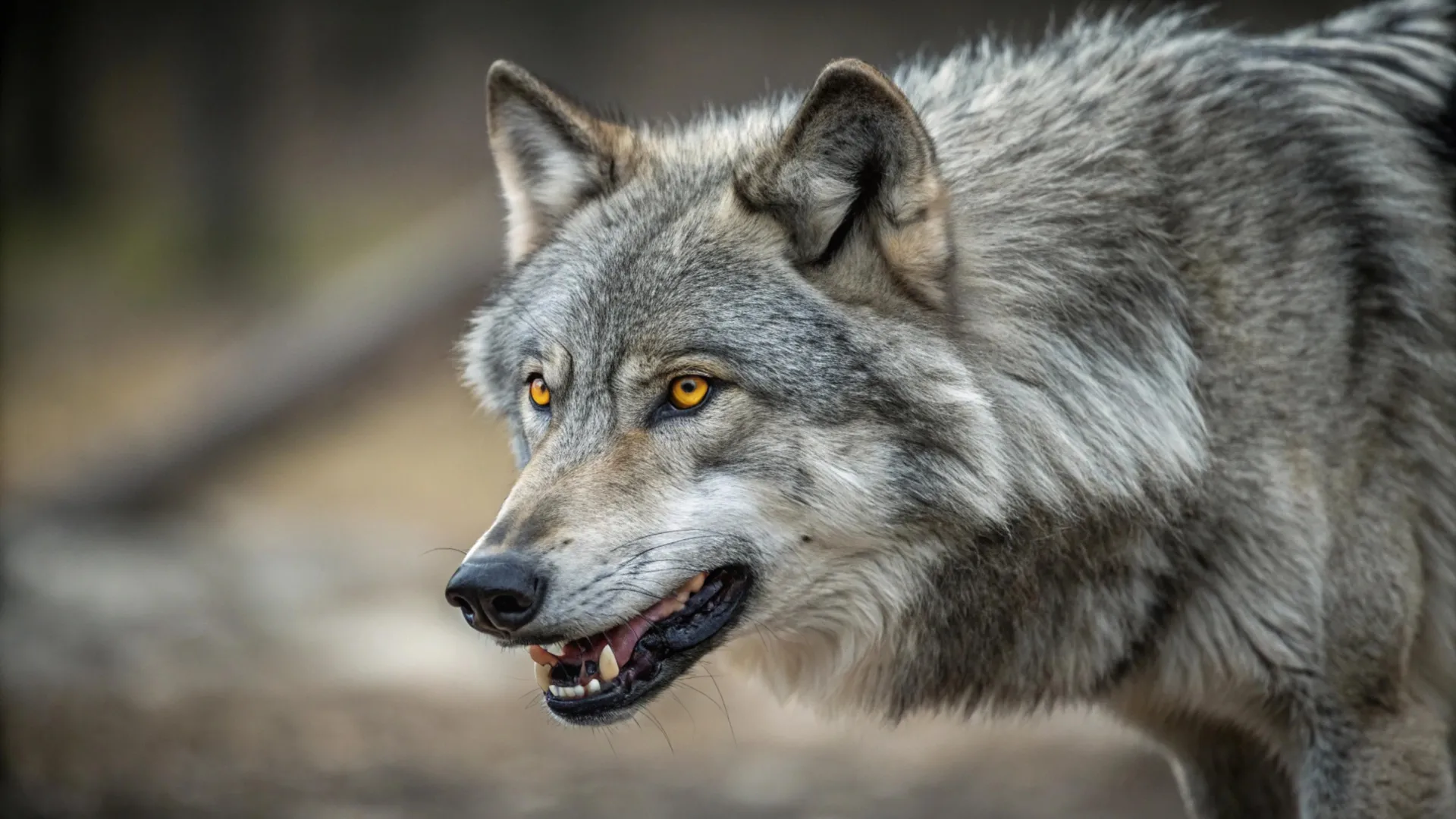
Wildlife reacts not just to our concrete jungles but to our mere presence, according to a pandemic-era GPS study that tracked 4,581 animals.
ScienceDaily
Wildlife reacts not just to our concrete jungles but to our mere presence, according to a pandemic-era GPS study that tracked 4,581 animals.
 Ars Technica
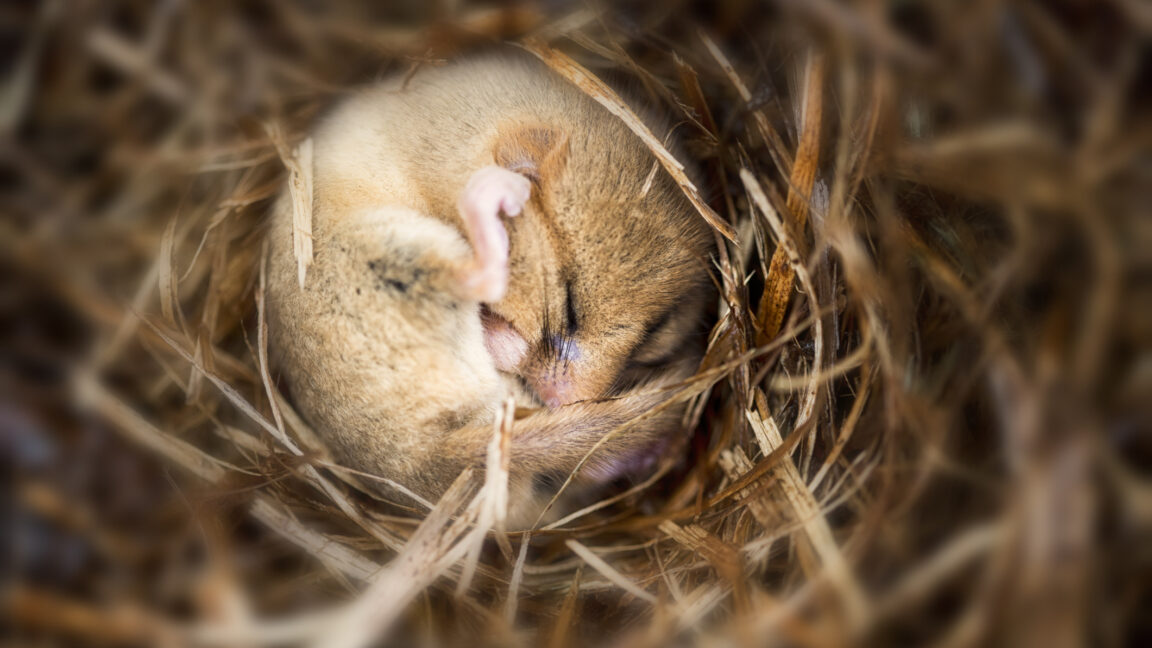
Scientists put mice into artificial hibernation, wiped out over half their synapses, and the mice just shrugged and kept their memories - because why not?
 Ars Technica
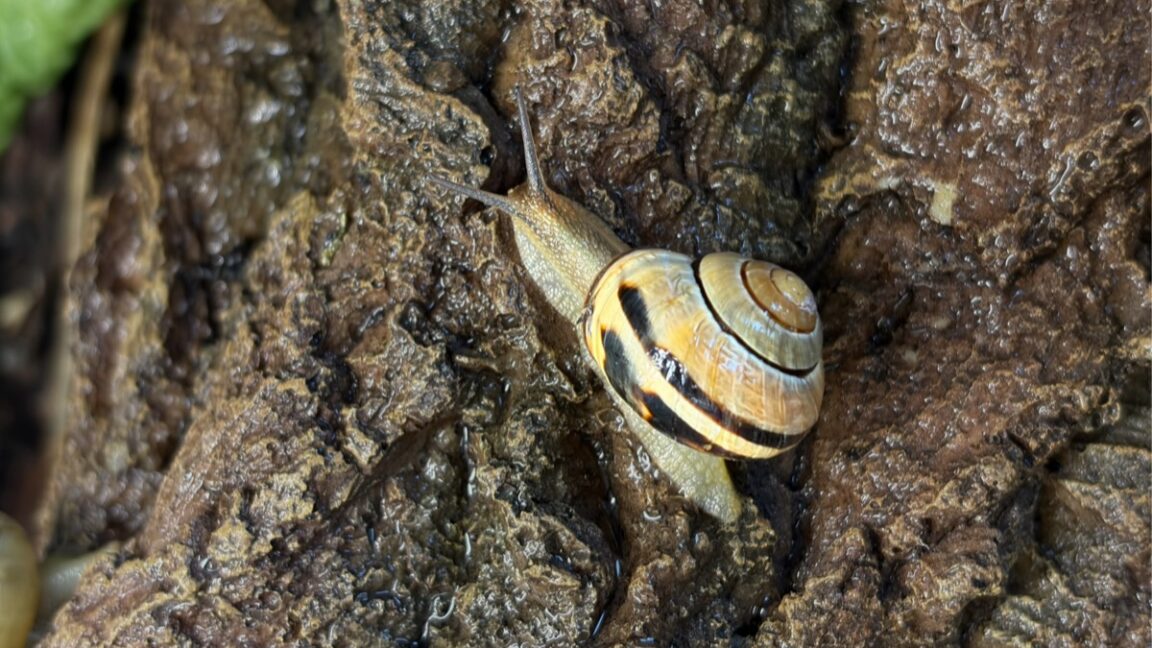
Snails are tiny chemists, and their slime's secret is collagen and calcium - because of course it is.
 ScienceDaily
A hidden layer of slippery clay under the Pacific Ocean made Japan's 2011 earthquake and tsunami extra destructive, because of course it did.
 ScienceDaily
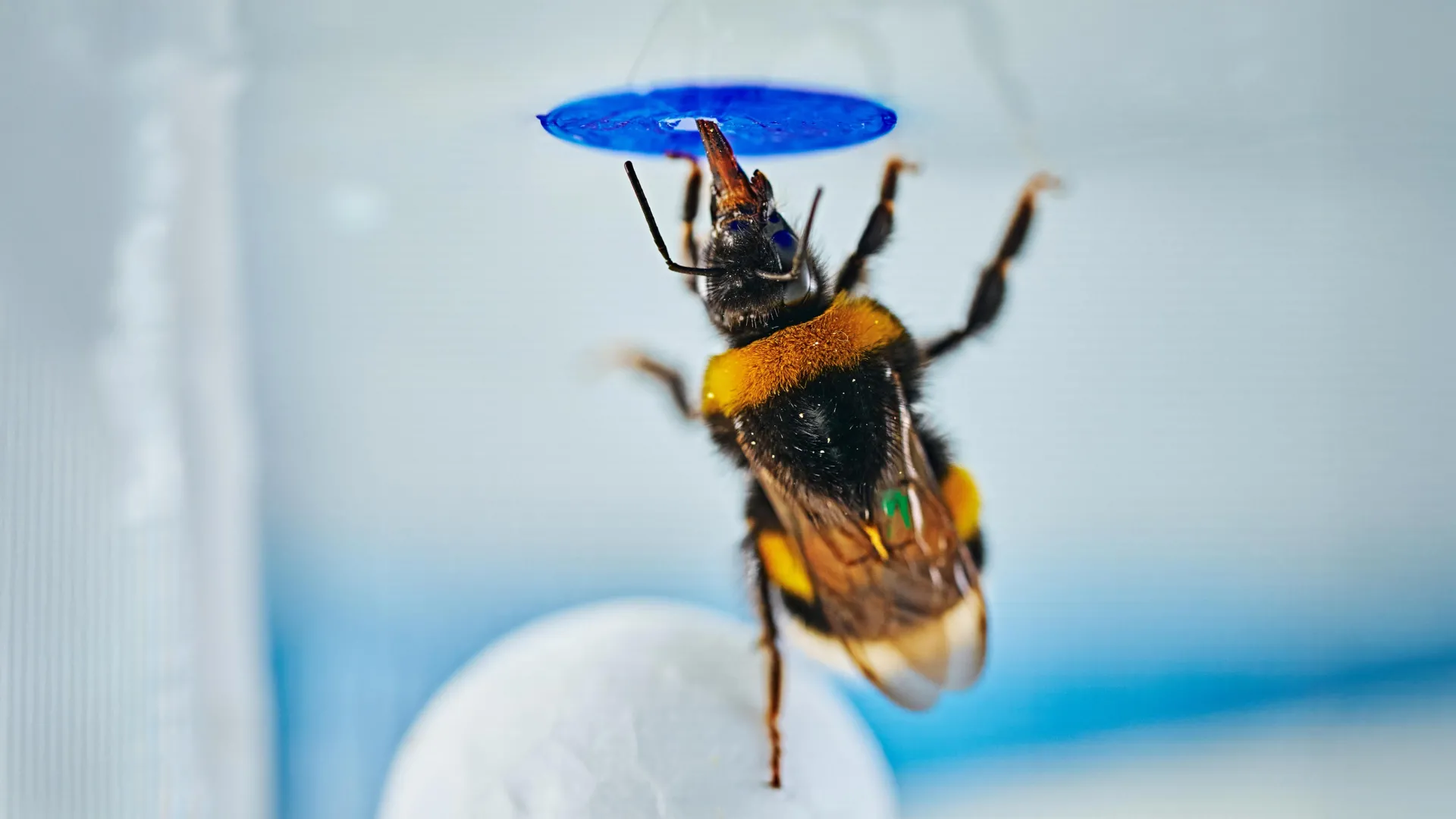
Bumble bees spontaneously roll balls to reach rewards, proving that small brains can solve big problems - and that scientists may need to update their VIP list.
 Inside Climate News
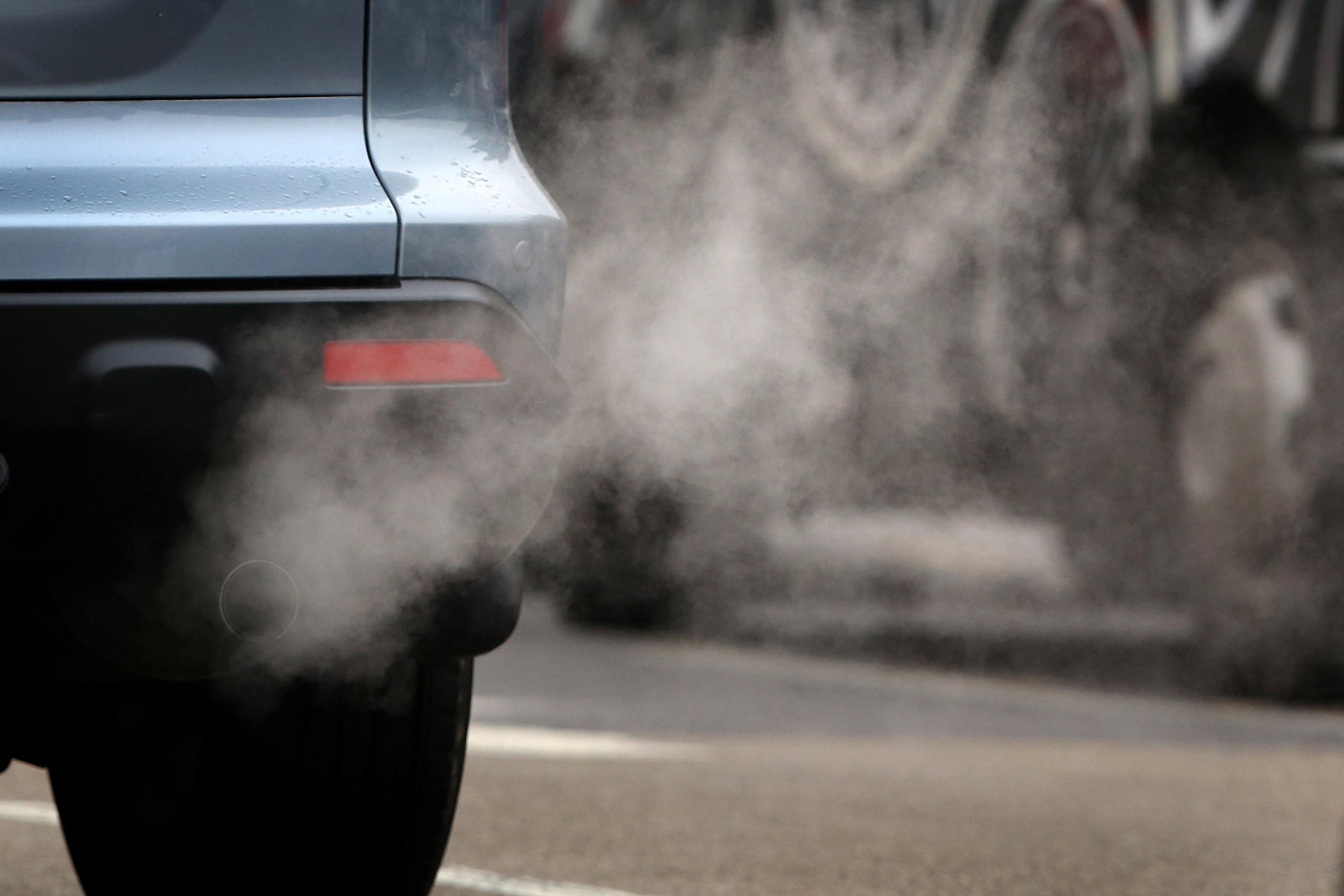
New Science paper says 15% of warming comes from indirect pollutants like carbon monoxide that aren't on any climate treaty - because apparently we needed more things to worry about.
 ScienceDaily
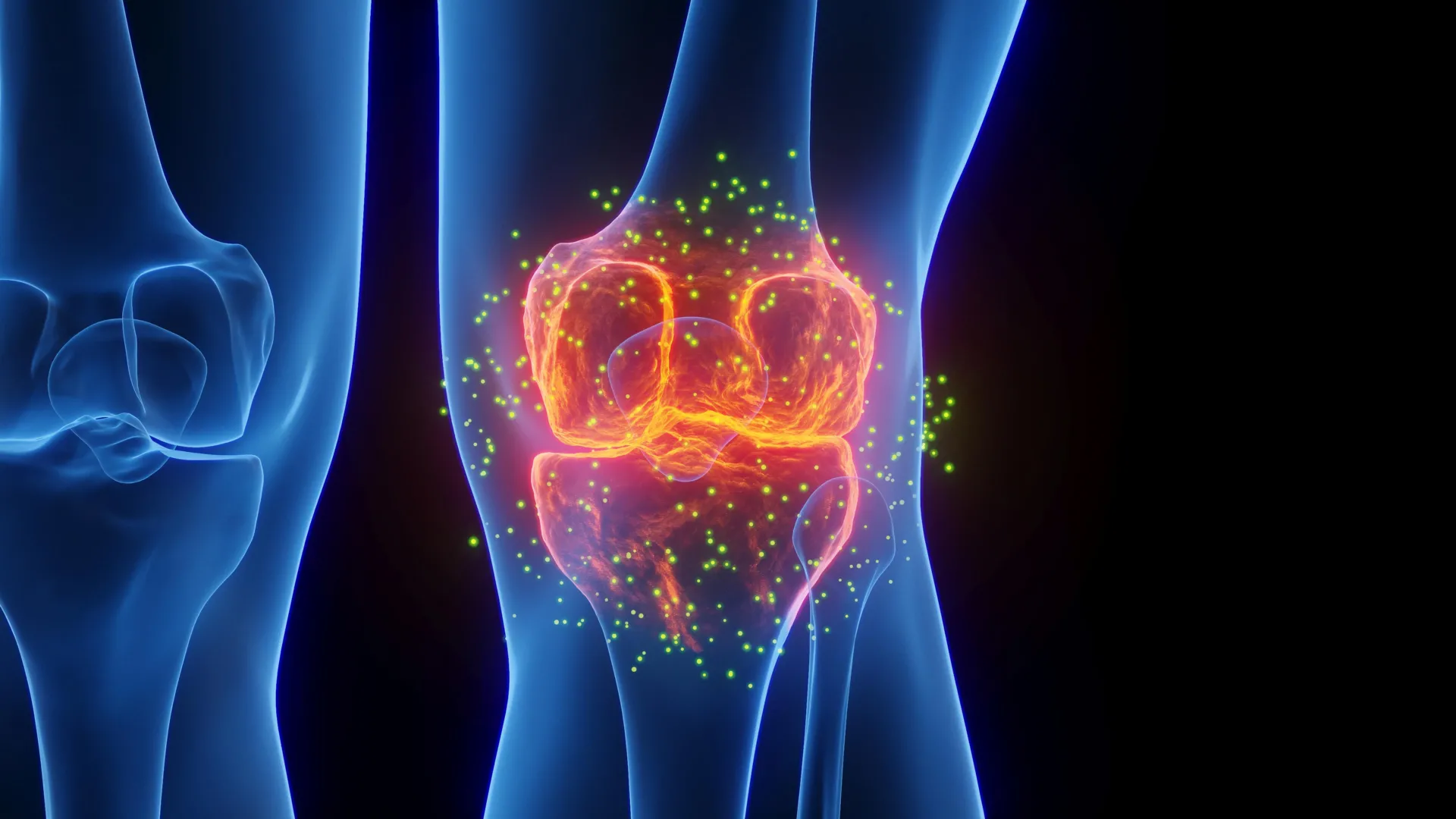
Stanford scientists discover that blocking an age-related protein can regrow knee cartilage in mice and human tissue, potentially reducing the need for joint replacements - and making stairs slightly less terrifying.
 Ars Technica
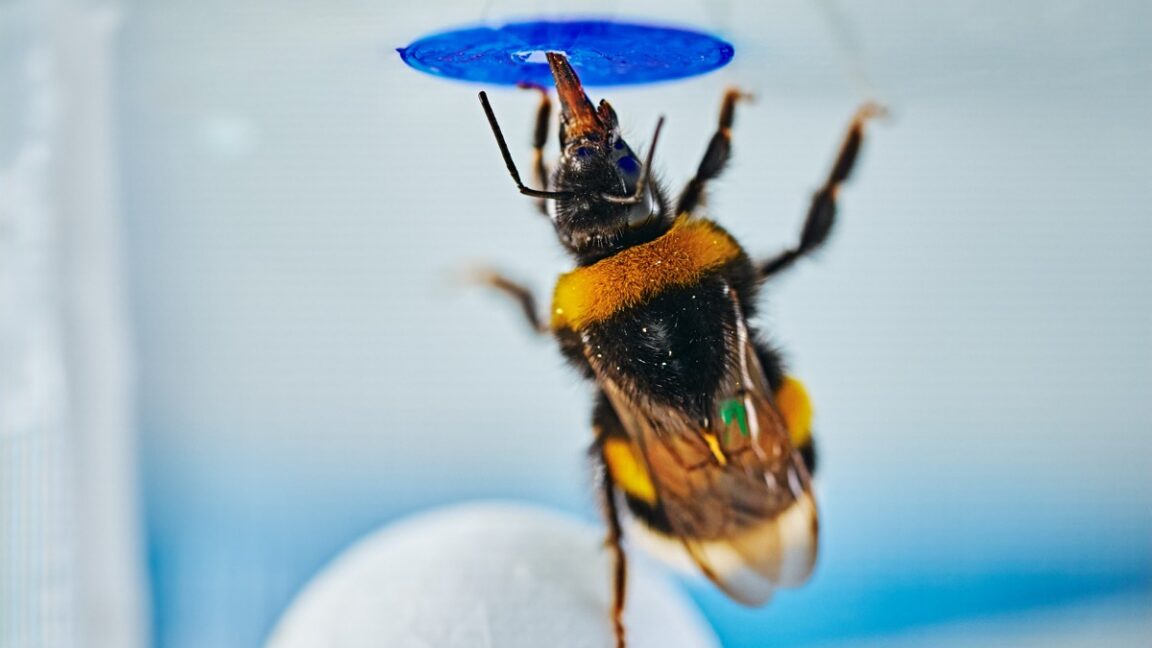
Bumblebees, already known for their social skills, have now proven they can solve puzzles on their own - no training required, just a sugary reward and a can-do attitude.
 ScienceDaily
Researchers built a new phase of matter out of silver nanoparticles that behaves like quantum LEGO and works at room temperature, because the universe wasn't complicated enough.
 Ars Technica
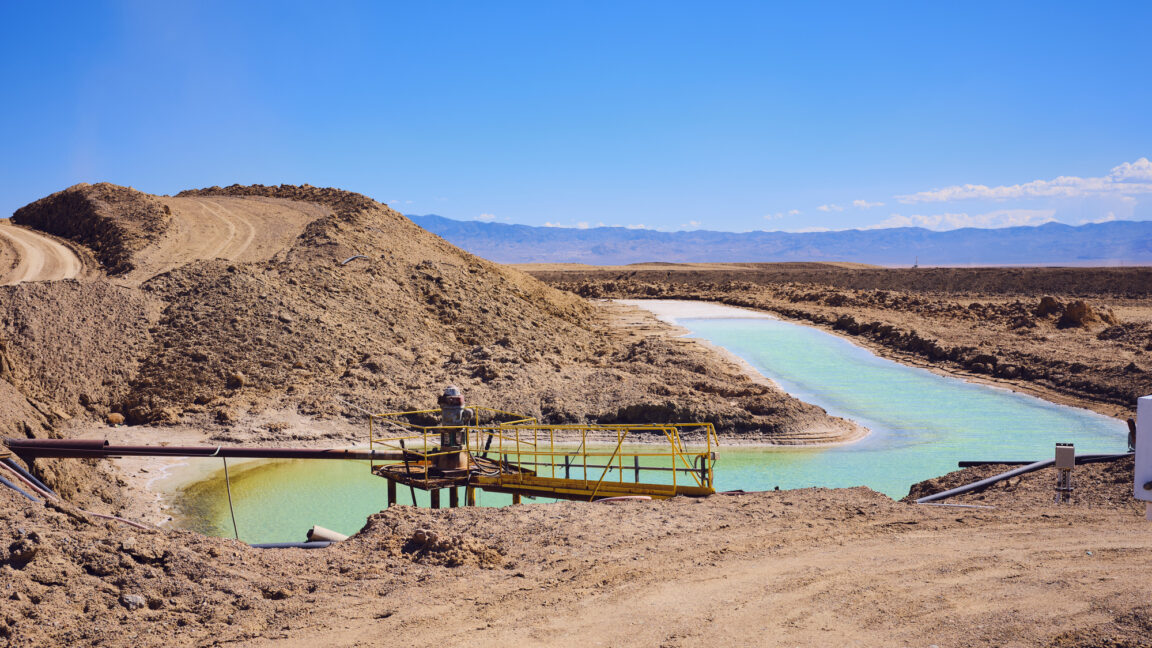
MIT and friends find a cheaper, greener way to pull lithium from rocks, because the planet's battery addiction isn't going anywhere.
 ScienceDaily
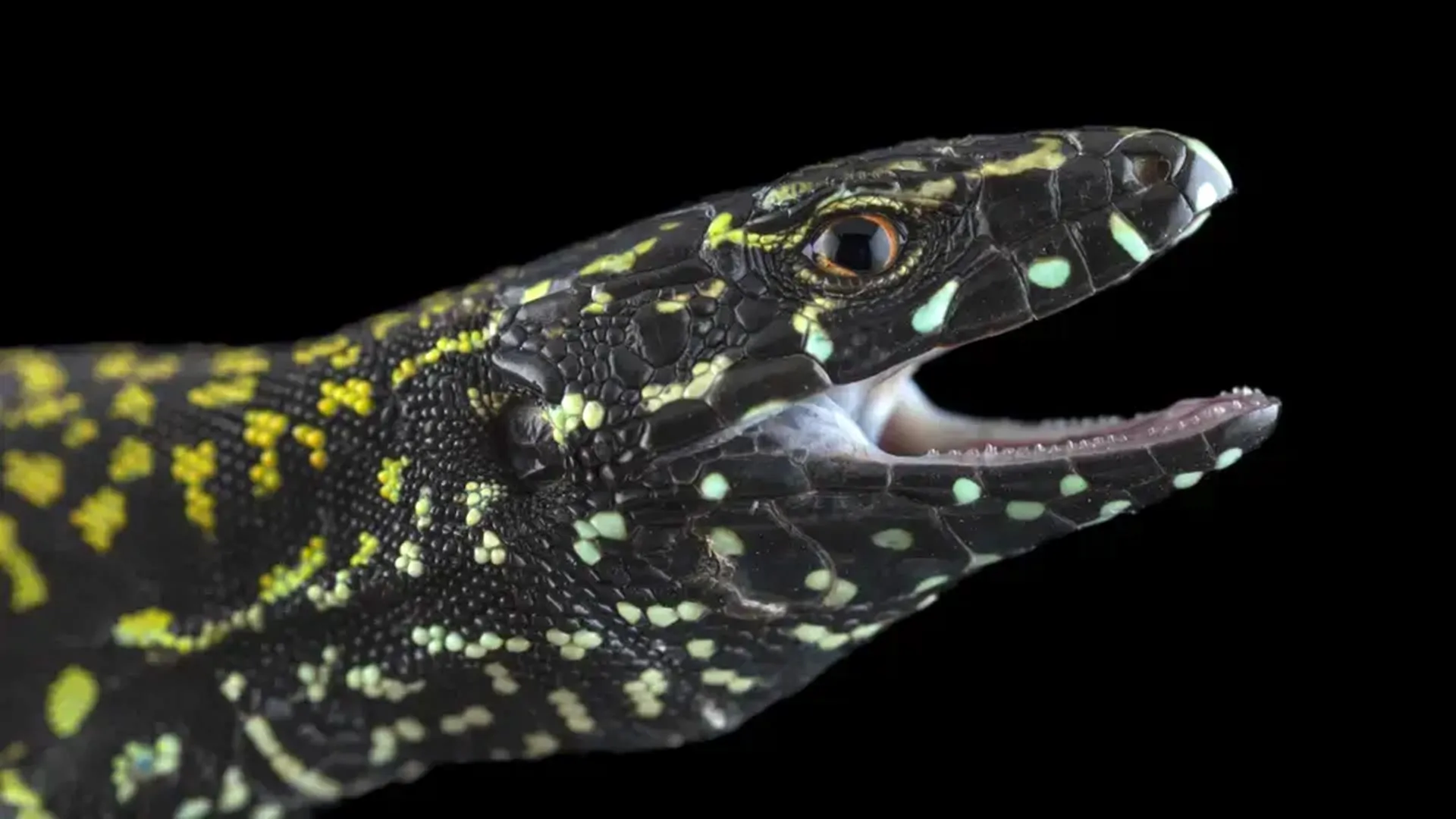
A gang of aggressive green 'Hulk' wall lizards is bulldozing through millennia of evolutionary diversity, leaving only the white-throated survivors in their wake.
 Ars Technica
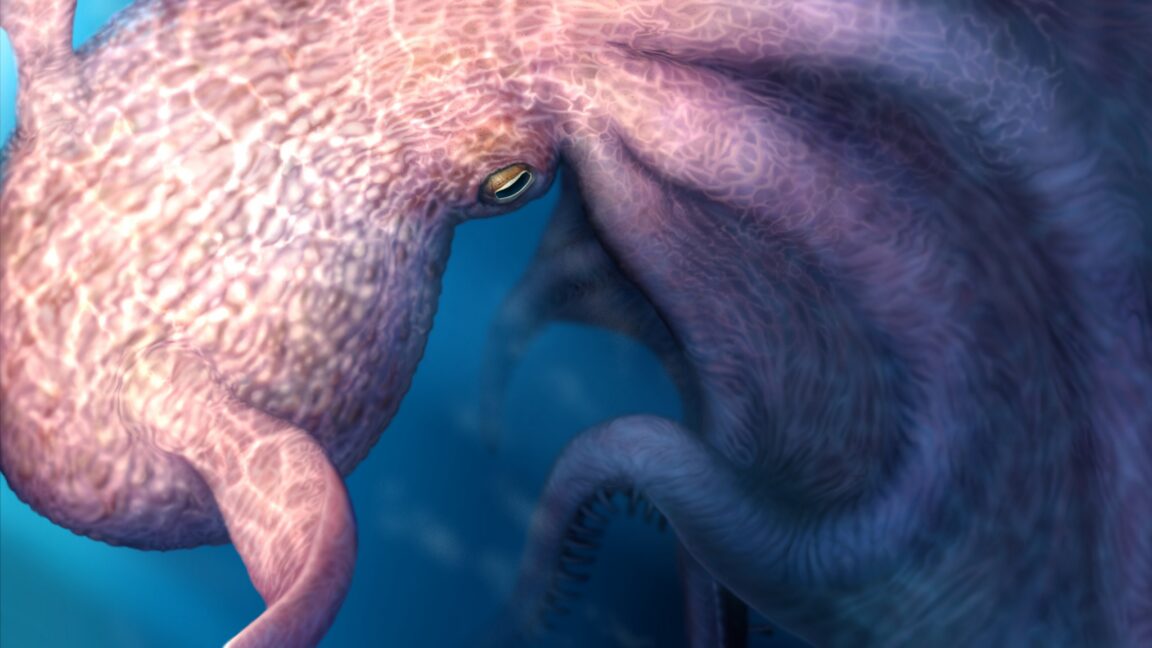
A 19-meter, beak-crushing, asymmetrically-wearing octopus suggests the Cretaceous oceans were way more interesting - and terrifying - than we gave them credit for.
The Good Times
One sardonic roundup, delivered on your schedule. Free. Unsubscribe whenever your tolerance for wit runs out.
Already subscribed but we never reach your inbox? Check your spam folder and hit 'Not spam' (or 'Remove from spam') to bust us out of junk-mail purgatory. You'll be helping everyone else too.

The Good Times
One sardonic roundup, delivered on your schedule. Free. Unsubscribe whenever your tolerance for wit runs out.
Already subscribed but we never reach your inbox? Check your spam folder and hit 'Not spam' (or 'Remove from spam') to bust us out of junk-mail purgatory. You'll be helping everyone else too.
Don't open any of our emails for a month and you'll be automatically removed from the mailing list.