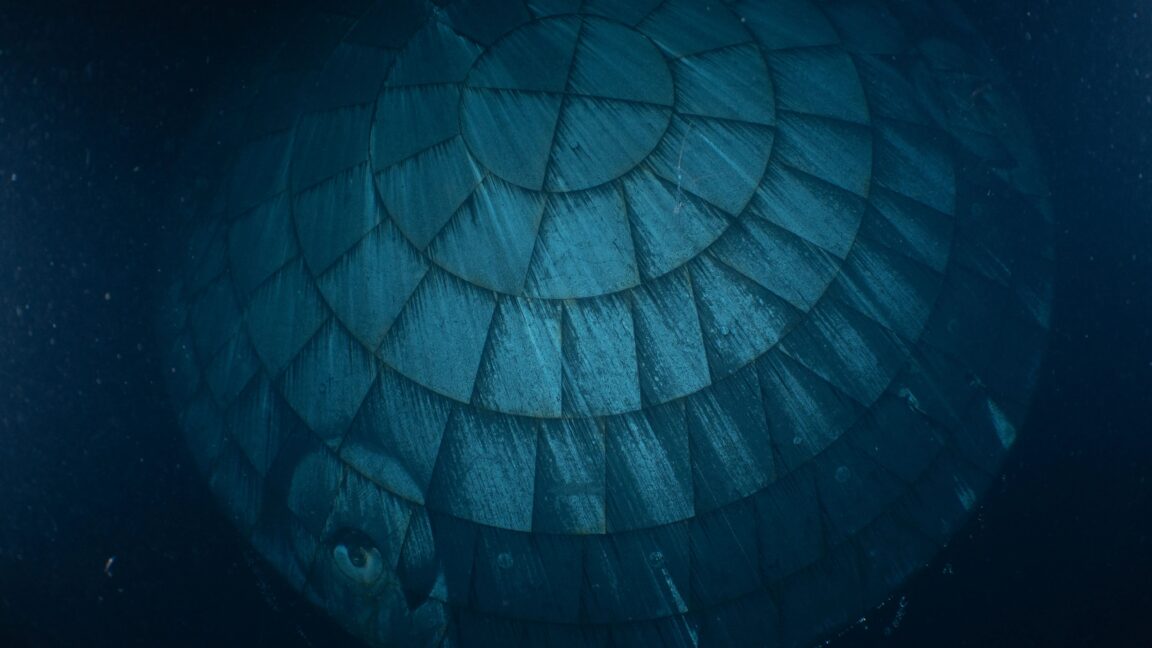
NASA's Much-Maligned Orion Heat Shield Turns Out to Be Just Fine, Thanks for Asking
NASA's Orion heat shield, which once shed char like a bad sunburn, performed nearly flawlessly on Artemis II - and the safety panel is so impressed they're using words like 'stunning.'
In a plot twist that surprised absolutely no one who wasn't already doom-scrolling through space forums, the Orion heat shield - the one that shed chunks like a nervous snake during Artemis I - has performed admirably on Artemis II. The crew, led by commander Reid Wiseman, splashed down in the Pacific Ocean after a triumphant lap around the Moon, and NASA officials have been positively giddy about the shield's condition. But how good was it, really? According to Paul Hill, a member of NASA's Aerospace Safety Advisory Panel, the heat shield's performance was 'highly satisfying.' We're guessing that's NASA-speak for 'we didn't have to scrape molten goo off the astronauts' faces.'
Remember the Artemis I mission in 2022, when the heat shield showed more than 100 char loss sites, some over an inch deep? Well, Artemis II's shield had a mere nine. That's a 91% reduction in char loss, which in any other industry would be called 'a massive improvement' but in aerospace is just 'a Tuesday.' The fix wasn't a new shield - NASA kept the same Avcoat material but tweaked the reentry trajectory to be steeper, reducing the time in the 'outgassing zone' that caused the cracking in the first place. The trade-off? Downrange capability dropped from 4,800 to 1,775 nautical miles, which is a bit like trading your SUV for a go-kart - fine for a straight shot, but you'll miss the flexibility when the weather turns.
For Artemis III and beyond, NASA is switching to a more permeable Avcoat, which should allow for both minimal char loss and a return to longer downrange capabilities. So, the heat shield saga may finally be over. But the real eyebrow-raiser from the safety panel meeting wasn't about heat shields at all. Panel members, who are famously independent and often critical of NASA, used words like 'impressive,' 'stunning,' and 'shocking' to describe the agency's progress in the last year. That's right - the same panel that usually sounds like a disappointed parent at a science fair is now doing backflips over NASA's new leadership under Administrator Jared Isaacman. They even praised him for finally calling the Starliner mission a 'Type A' mishap, which is NASA's way of saying 'yeah, that was a disaster.'
Susan Helms, the panel's chair and a former astronaut, noted that the cultural shift at NASA has been 'really something to see.' We'll take their word for it, but we're still waiting for the part where they admit the whole Orion program was a bit of a hot mess. Baby steps, NASA. Baby steps.
The Good Times
News in your inbox.
One sardonic roundup, delivered on your schedule. Free. Unsubscribe whenever your tolerance for wit runs out.
Already subscribed but we never reach your inbox? Check your spam folder and hit 'Not spam' (or 'Remove from spam') to bust us out of junk-mail purgatory. You'll be helping everyone else too.
Don't open any of our emails for a month and you'll be automatically removed from the mailing list.
Rewrite Article
Select parts to regenerate with a fresh AI pass. Translations will be updated automatically.
Generate AI Image
Creates a sardonic version of the article image using OpenAI.