Man Dies After Amoebas Treat His Body Like an All-You-Can-Eat Buffet for Six Months
A man's nasal rinse habit and a surprising drug may have opened the door for a common tap-water amoeba to feast on him for months before doctors figured it out.
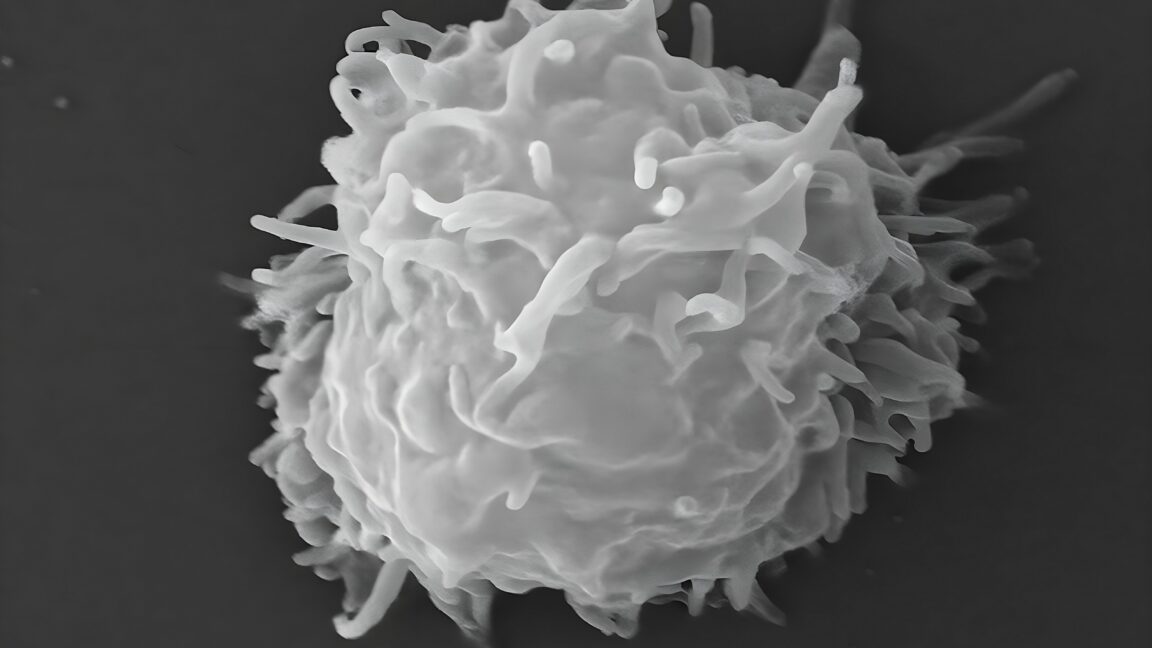
For six months, a 78-year-old man watched his body transform into a landscape of black lesions and deep ulcers, with doctors throwing up their hands like baffled contestants on a medical game show. His face was covered in dark scabs, a lesion destroyed his left eyelid, and another carved a hole between the roof of his mouth and his nasal cavity. It wasn't until he landed at a Yale School of Medicine hospital that someone finally cracked the case: a common free-living amoeba called Acanthamoeba, a microbe so unremarkable it can be found practically anywhere, including your tap water. But by then, the amoebas had already won.
The man's gruesome story appears in the journal Emerging Infectious Diseases, and it's a cautionary tale about how an opportunistic pathogen can turn a routine sinus rinse into a death sentence. Acanthamoeba is known to cause horrifying infections, but it usually picks on people with compromised immune systems - those with HIV/AIDS, cancers, diabetes, or organ transplant patients on heavy immunosuppressants. The man didn't fit any of those categories. He just had nasal polyps and asthma, and he treated the latter with a monoclonal antibody drug called dupilumab.
Acanthamoeba is a versatile little terror. It can cause eye infections in contact lens wearers who skip proper cleaning, a rare brain infection called granulomatous amebic encephalitis in the immunocompromised, and wound or sinus infections in people who rinse their sinuses with unboiled tap water - a habit that's particularly risky given that Acanthamoeba and its amoeba cousins have been found in more than 50 percent of US tap water samples. The man's symptoms, however, didn't start in his sinuses. They began on his legs as red nodules that progressed to dark-centered ulcers and necrotic black scabs, then erupted across his trunk, arms, and neck.
Before Yale, doctors were baffled. Multiple skin biopsies tested negative for bacteria or fungi but showed inflamed blood vessels clogged with immune cells. Worried his immune system was attacking his own vessels, they put him on immunosuppressants. Predictably, that made everything worse. By the time he reached Yale, he had a fever, a racing heart, had lost 16 pounds, was drowsy and confused, and was blanketed in lesions. The Yale team noted the lesions started after a trip to Florida, where he'd been exposed to red tide while cleaning up after a hurricane. A redo of the skin biopsy finally found amoeba-shaped cells, and DNA testing confirmed Acanthamoeba.
Doctors slapped him on a five-drug regimen recommended by the CDC, but he kept deteriorating. They got FDA approval for an experimental trial of the antibiotic nitroxoline, which had worked against a different amoeba in another patient. It seemed to work at first - his fever broke, some lesions improved, no new ones formed. But then his kidneys started failing, and they pulled the drugs to prevent further damage. Secondary infections set in, followed by multiorgan failure. He died six weeks after the amoeba infection was finally identified.
The doctors now speculate about how this happened. The nasal rinses were the most obvious culprit, given his nasal polyps. His age and declining immune responses likely didn't help. But they also zeroed in on dupilumab, a monoclonal antibody that inhibits interleukin-4 and interleukin-13 cytokines - immune signals involved in overactive inflammatory responses. Other drugs targeting the same pathway have been linked, in rare cases, to parasitic infections. A trial of dupilumab involving over 400 children reported six worm infections in the drug group and none in the control group, though the researchers concluded the worms weren't related. The Yale doctors aren't so sure. "Although dupilumab is not classically considered an immunosuppressive agent, it possibly increases the risk for parasitic infections," they wrote. They suggest the drug may have been one factor among several - nasal rinsing, age, and maybe a Florida hurricane cleanup - that allowed the amoebas to throw a deadly party. Their message to physicians: don't overlook free-living amoebas, even in patients who don't look like obvious targets.
The Good Times
News in your inbox.
One sardonic roundup, delivered on your schedule. Free. Unsubscribe whenever your tolerance for wit runs out.
Already subscribed but we never reach your inbox? Check your spam folder and hit 'Not spam' (or 'Remove from spam') to bust us out of junk-mail purgatory. You'll be helping everyone else too.
Don't open any of our emails for a month and you'll be automatically removed from the mailing list.
Rewrite Article
Select parts to regenerate with a fresh AI pass. Translations will be updated automatically.
Generate AI Image
Creates a sardonic version of the article image using OpenAI.