Lithium Mining: The Awkward Third Wheel in Our Electric Romance
Electric cars are great for the climate, but mining the lithium for their batteries is leaving Chilean salt flats, flamingos, and Indigenous communities in a lurch.
Electric vehicle sales are through the roof - more than one in five new cars sold globally in 2025 were electric. But before we pat ourselves on the back, let's talk about the messy, mineral-rich elephant in the room: lithium mining.
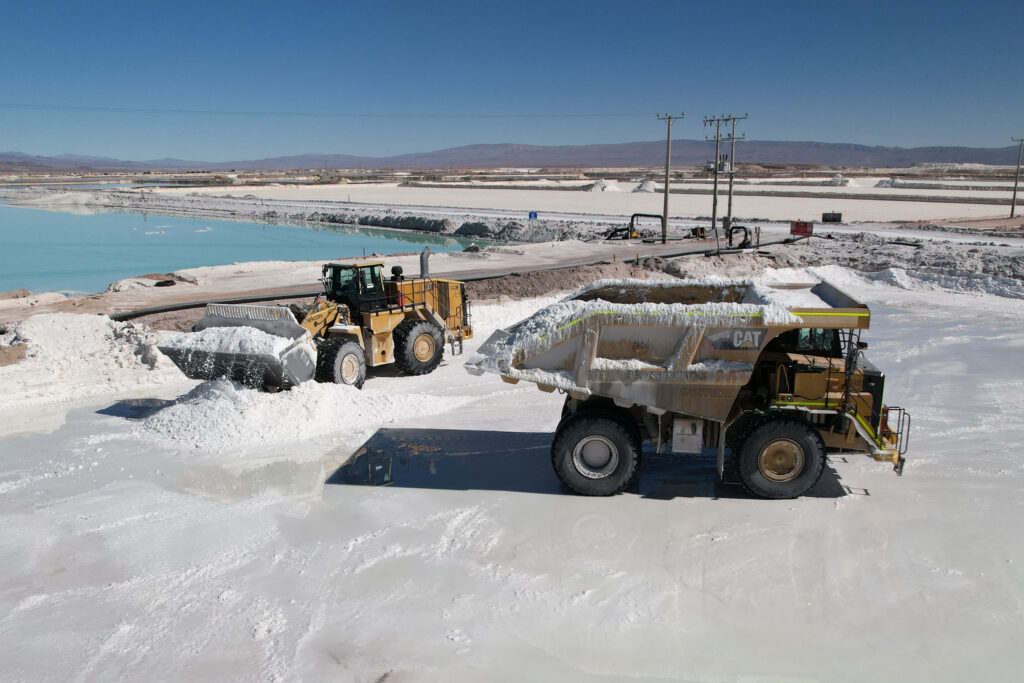
Political scientist Thea Riofrancos, author of "Extraction: The Frontiers of Green Capitalism," took a field trip to Chile's Atacama Desert - home to about a fifth of the world's lithium supplies - and found that the green revolution has a dirty secret. The salt flats there are two-thirds the size of Rhode Island, host to flamingos, and also home to massive mining operations that are sucking up water, scaring birds, and leaving Indigenous communities out of the conversation.
Riofrancos calls lithium the "MVP" of the energy transition, and she's not wrong. It powers our laptops, phones, and electric cars - the latter being crucial since transportation is the number one source of U.S. carbon emissions. Lithium batteries are also stabilizing renewable energy grids. Great for the climate, less great for the Atacama's flamingos, whose populations are declining thanks to noise, roads, and machinery.
Then there's the water problem. Mining pumps out saltwater from the salt flat's center, which somehow makes freshwater harder to reach for communities on the edges. And until very recently, those communities - Indigenous peoples who've farmed there for millennia - were never formally consulted about any of this. The first real consultation happened only last year.
So who's benefiting? Two big companies: Chile-based SQM and U.S.-based Albemarle. They've got long-term contracts, influence over past governments, and a cozy spot in the global EV supply chain. But Riofrancos points out that communities and progressive policymakers are pushing back. The real question, she says, is whether global humanity's gain from Chilean lithium justifies the local burden.
Ownership might be part of the answer. Governments in the Global South have historically nationalized resources to gain sovereignty, but that can create new tensions with local communities who suddenly find themselves fighting the state instead of a corporation. Either way, the lithium won't mine itself - and neither will the ethical dilemmas.
The Good Times
News in your inbox.
One sardonic roundup, delivered on your schedule. Free. Unsubscribe whenever your tolerance for wit runs out.
Already subscribed but we never reach your inbox? Check your spam folder and hit 'Not spam' (or 'Remove from spam') to bust us out of junk-mail purgatory. You'll be helping everyone else too.
Don't open any of our emails for a month and you'll be automatically removed from the mailing list.
Rewrite Article
Select parts to regenerate with a fresh AI pass. Translations will be updated automatically.
Generate AI Image
Creates a sardonic version of the article image using OpenAI.