Heatwaves May Not Burn Your Toast, But They Could Burn a Hole in Your Wallet
UK heatwaves are making farmers sweat and could make your supermarket bill sweat too, as drought threatens crops and supply chains - so stock up on wine before it becomes both scarce and subpar.
As the UK basks in yet another heatwave, the chilled aisle of your local supermarket might seem like the only bearable place on Earth. But while you're enjoying the air conditioning, the fridges are working overtime, the shutters are down, and some goods are vanishing from shelves on the hottest days. More than half of England has officially entered drought conditions, according to the Environment Agency's declaration last week.
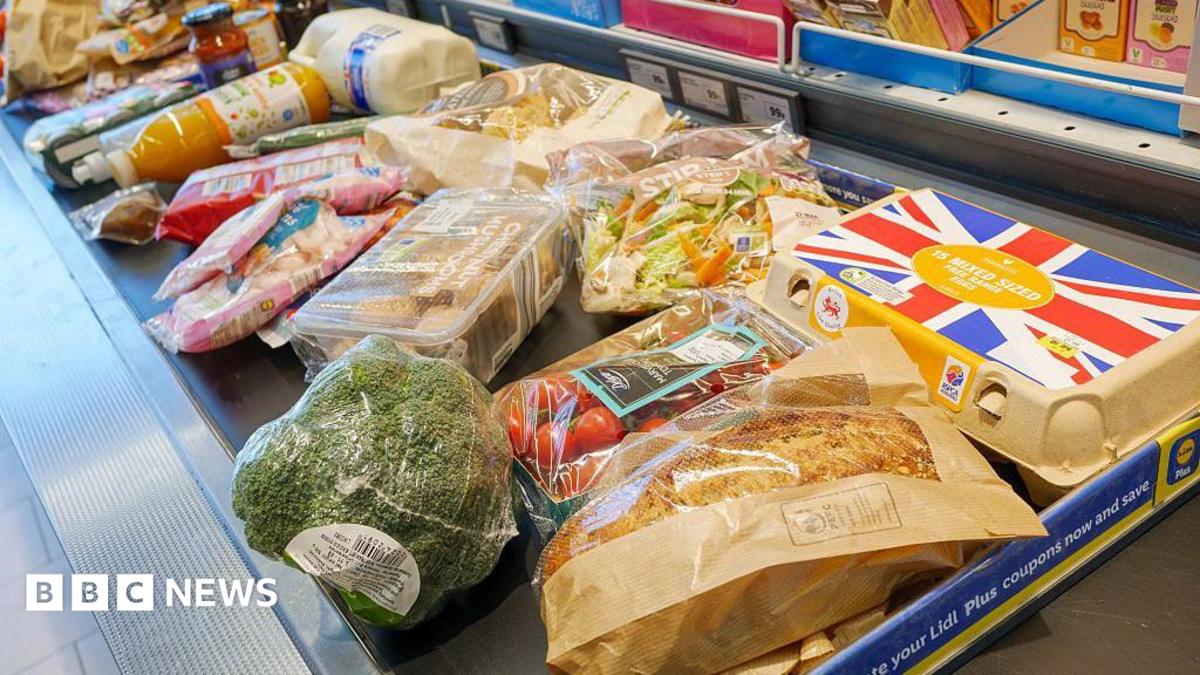
But the heat isn't just making your shopping trip more uncomfortable - it might make it more expensive. The British Retail Consortium warns that extreme weather creates a knock-on effect throughout the supply chain, and those costs could be passed on to you, the humble consumer.
Take a loaf of bread. It starts with grain, which is grown, harvested, milled, and stored before it even reaches a factory. Then it's baked, packaged, shipped to warehouses, and finally stocked on shelves. Every step costs money, and if any step gets pricier - say, because drought shrinks the harvest - that loaf could cost more.
Farmers and flour producers are already adapting to the earliest harvest in 50 years, and the National Farmers' Union warns of shortages if the drought persists. But Prof Manoj Dora, director of the Centre for Intelligent Supply Chains at Anglia Ruskin University, says one hot week won't instantly hike bread prices. However, he notes that if crops run out, meat, milk, eggs, and chicken could be impacted due to feed shortages. "Across different food products, prices could surge if we do not manage these things immediately," he warns.
Dora calls the UK supply chain "resilient," so the effects may not be immediate, but he advises long-term reconfiguration and farmer support. Simon Willis, CEO of grain storage co-op Camgrain, says this year's crops haven't reached their full potential, with a dry spring leading to an early harvest. "Quality will be good but the yield will be down," he tells BBC Radio Cambridgeshire.
David Wheatley, an arable farmer from Wisbech St Mary, thinks farmers will take the hit more than consumers. "A lot of contracts with supermarkets are already agreed a year in advance, so [farmers] are not going to get paid any more money even though their yields are down," he says. He doesn't expect supermarket prices to rise because they can import from other countries.
But Dora points out that imports could suffer too - French wine, for example, faces both quantity and quality problems due to severe heat. The British Retail Consortium acknowledges that climate change challenges retailers and suppliers. Andrew Opie, director of food and sustainability policy, says, "Extreme weather, including drought, can affect crop yields and place upward pressure on prices," but retailers are experienced in managing disruptions and will source from alternative suppliers where needed.
So, while you might be able to escape the heat in the frozen peas aisle, your wallet may not be so lucky. But hey, at least the ice cream is cold.
The Good Times
News in your inbox.
One sardonic roundup, delivered on your schedule. Free. Unsubscribe whenever your tolerance for wit runs out.
Already subscribed but we never reach your inbox? Check your spam folder and hit 'Not spam' (or 'Remove from spam') to bust us out of junk-mail purgatory. You'll be helping everyone else too.
Don't open any of our emails for a month and you'll be automatically removed from the mailing list.
Rewrite Article
Select parts to regenerate with a fresh AI pass. Translations will be updated automatically.
Generate AI Image
Creates a sardonic version of the article image using OpenAI.