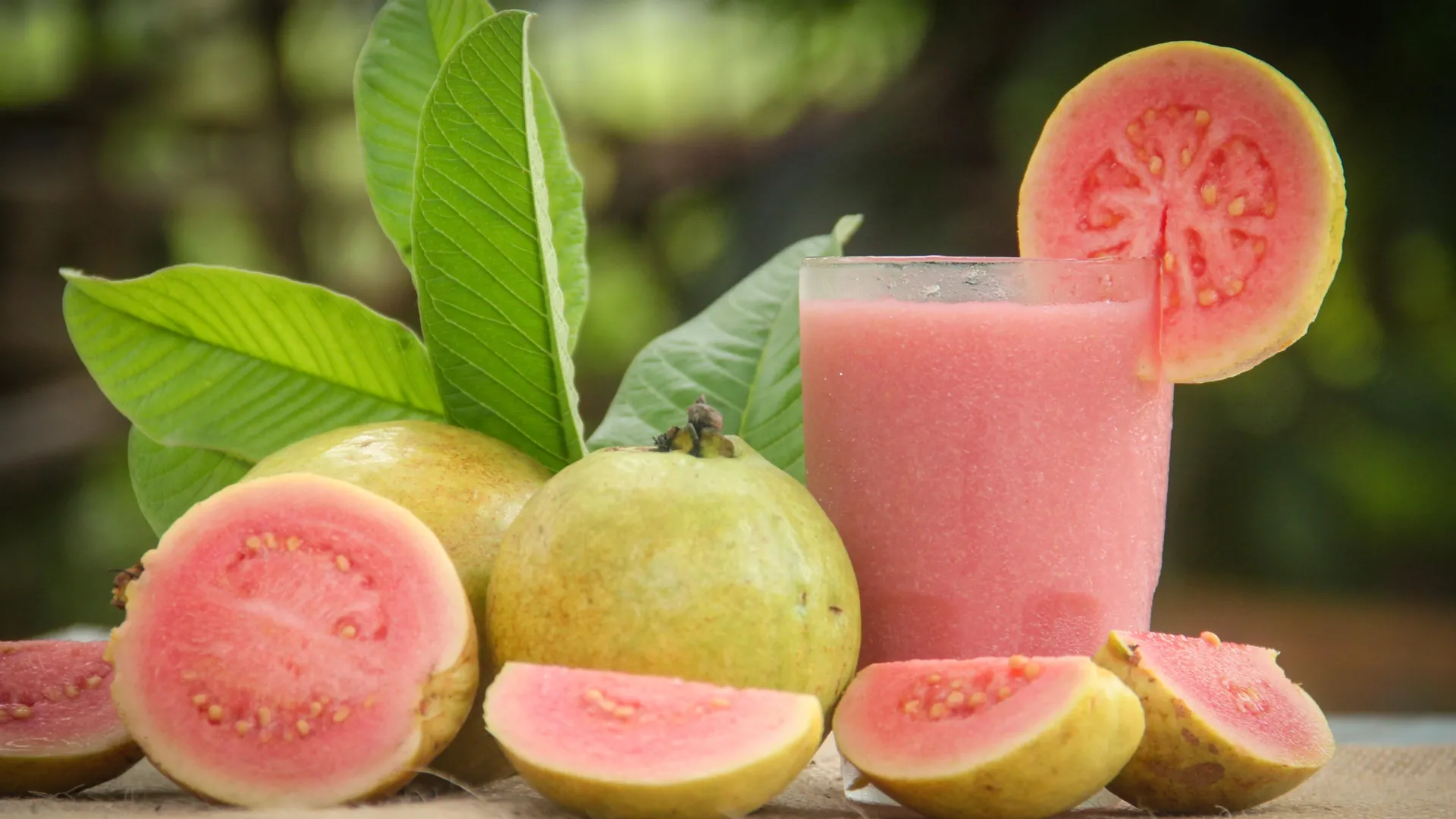
Guava Juice: The Affordable Iron Supplement Booster That Will Make You Go 'Awww'
Guava juice plus iron supplements boosts hemoglobin more than iron alone, but researchers caution it's not a substitute for conventional treatment just yet.
In a development that will delight fruit lovers and public health officials alike, scientists have confirmed that regularly drinking guava juice could offer a simple and affordable way to help reduce anemia risk among women and teenage girls in low and middle income countries. The findings, published in the open access journal BMJ Nutrition Prevention & Health, suggest that combining the tropical elixir with iron supplements appears to improve hemoglobin levels more effectively than taking iron supplements alone.
Iron deficiency anemia is especially common among pregnant women and adolescent girls in many developing countries, leading to fatigue, weakness, poor concentration, pregnancy complications, and increased risk of serious illness or death. Enter guava, nature's own vitamin C powerhouse, containing up to four times more vitamin C per 100 grams than oranges. Because if there's one thing the body needs to absorb iron from plant-based foods, it's vitamin C.
To get a clearer picture, researchers analyzed studies published in English since 2000, identifying 17 eligible studies - including 15 quasi-experimental studies and two randomized controlled trials. Six studies focused on teenage girls, while 11 involved pregnant women. When they combined data from 12 studies involving 235 women and adolescent girls, participants experienced an average increase in hemoglobin levels of 1.71 g/dl after consuming guava juice. Teenage girls saw an average increase of 1.52 g/dl, while pregnant women got a slightly heftier 1.84 g/dl.
Five studies directly compared women who took iron supplements alone with those who took supplements plus guava juice (102 participants each). The combo approach led to hemoglobin levels that were, on average, 1.29 g/dl higher than iron supplements alone. "An increase of 1-2 g/dl may shift individuals from mild or moderate anemia to non-anemic categories, improving fatigue, cognitive function, and productivity outcomes," the researchers note. In other words, guava juice might just get you out of the anemia club, and you won't even need a membership card.
However, before you start stockpiling guavas, the team points out some important limitations. All studies were conducted in Indonesia, and there were major differences in study design, guava type, dosage, intervention length, and participant characteristics. Plus, most evidence came from quasi-experimental studies rather than stronger randomized clinical trials, and none included long-term follow-up. So we don't know if the benefits last longer than a flight of guava-scented dreams.
Despite these caveats, researchers believe guava juice could become a practical, low-cost nutritional strategy for reducing mild to moderate anemia. "Integrating guava juice into school nutrition programs, antenatal care packages, or community health initiatives could represent a feasible approach to address mild-to-moderate anemia," they write. Given its cultural acceptance across Asia and relative affordability, guava juice offers a promising low-cost intervention - especially if we can standardize formulations and strengthen local supply chains.
Professor Sumantra Ray, chief scientist and executive director of the NNEdPro Global Institute for Food, Nutrition and Health, which co-owns BMJ Nutrition Prevention & Health, notes that the findings support existing knowledge about vitamin C improving iron absorption. But he also cautions that "without further rigorous research, defining the best therapeutic dose and period of use, guava juice can't be recommended as an alternative to conventional treatment in those at risk of iron deficiency anemia." So drink up, but don't toss your iron pills just yet.
The Good Times
News in your inbox.
One sardonic roundup, delivered on your schedule. Free. Unsubscribe whenever your tolerance for wit runs out.
Already subscribed but we never reach your inbox? Check your spam folder and hit 'Not spam' (or 'Remove from spam') to bust us out of junk-mail purgatory. You'll be helping everyone else too.
Don't open any of our emails for a month and you'll be automatically removed from the mailing list.
Rewrite Article
Select parts to regenerate with a fresh AI pass. Translations will be updated automatically.
Generate AI Image
Creates a sardonic version of the article image using OpenAI.