Gary Finally Gets Its Lights Back, Just in Time for the Next Derecho
NIPSCO finally restores power to 99% of Gary after a derecho, but the other 1% can still enjoy the authentic blackout experience - and the city's infrastructure problems remain as glaring as ever.
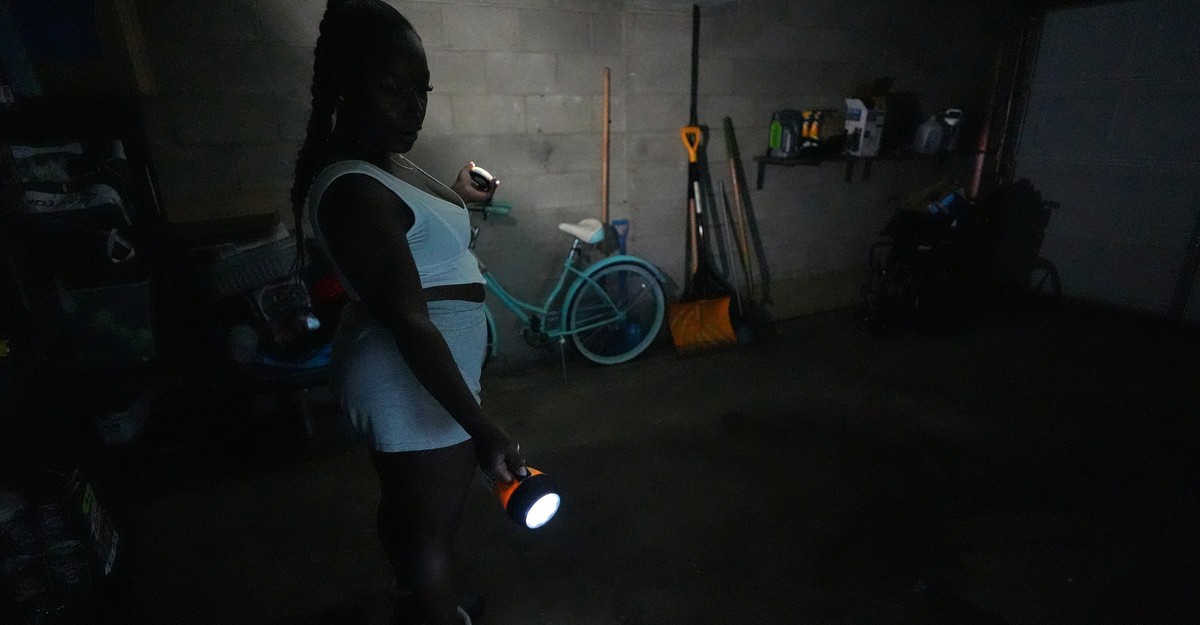
In a stunning display of doing the bare minimum, NIPSCO, Indiana's premier electricity provider for half a million people, managed to restore power to 99 percent of Gary's customers by last night. The remaining 1 percent? Well, they can enjoy the authentic blackout experience a little longer. The saga began on August 11, when a derecho - because apparently a regular storm wasn't dramatic enough - swept through northwest Indiana with winds nearing 100 mph, knocking out power for over 370,000 people. In Gary, a city of nearly 70,000 (75 percent Black), more than half of NIPSCO's customers were plunged into darkness. For two weeks, the utility kept pushing back its restoration timeline, and as of Monday, thousands were still in the dark. Finally, yesterday evening, NIPSCO declared victory, though hundreds in Gary still woke up this morning without electricity. But hey, 99 percent is basically a passing grade, right?
Mayor Eddie Melton initially tried the diplomatic approach, calling the blackout a regional issue. But as power returned to Dyer, East Chicago, Hobart, and Merrillville - places that apparently matter more - Gary remained in the shadows. By the weekend, Melton was singing a different tune, suggesting Gary had been "overlooked" in NIPSCO's restoration schedule. NIPSCO, for its part, denied any oversight, claiming it had hired extra contractors and drawn support from neighboring utilities. The residents we spoke with begged to differ, describing a grim routine of throwing out maggot-infested food, crashing with generator-owning friends, and charging phones in cars while blasting the AC just to survive the summer heat. With a median household income of about $40,000 and nearly 20 percent of residents aged 65 or older, Gary isn't exactly flush with disposable income for emergency supplies. People were burning their last dollars on gas to navigate streets devoid of streetlights, past uprooted trees and dangling power lines.
Relief efforts trickled in, but they were often first-come, first-served or limited to one package per household - which, as 77-year-old Willett Wright pointed out, left seniors trapped in dark apartments with no way to get help. "There's no generators in the world that can get up to their apartments," he said. "They're stuck in their rooms with all this heat, and no food." Power started returning over the weekend, but not uniformly. Some neighborhoods remained dark, and even where the lights came back, they flickered ominously. Residents could recall the exact moment of restoration: 11:32 p.m. Saturday, just after midnight Sunday, 2:45 p.m. Monday. It's the kind of specificity that comes from desperate anticipation.
Indiana is no stranger to severe storms - NOAA's 2025 report notes they've caused nearly 50 percent of major disaster costs in the state over the past 44 years - but this derecho felt different. Kyri Baker, a power-systems expert at the University of Colorado at Boulder, attributes the increasing frequency and severity to climate change, which is also battering power grids nationwide. "A lot of the extreme weather events are happening in areas that we didn't initially expect," she said. "Utilities need to change their game plans in preparing for those low-probability events." Gary's infrastructure woes predate the storm, thanks to decades of deindustrialization that shrank its population and tax base. NIPSCO, which holds a monopoly, already charges the highest rates among Indiana's five investor-owned utilities, according to a 2025 Citizens Action Coalition analysis, and was approved for yet another rate hike last year. Low-income Black households, who spend a larger share of income on utilities, are disproportionately affected by grid failures and slower restoration - a pattern that's as predictable as it is unjust.
For David Rucker, the outage meant a daily two-hour round trip to Chicago to charge his BiPAP ventilator, which only lasts four hours on battery. The journey took twice as long because his car's transmission needs fixing - money they don't have. "The storm has taken a lot - mentally, physically, and monetarily," his wife Tiffany said. Their power finally returned Monday at 10 p.m. As lights flicker back on, residents are cautiously restocking refrigerators, refilling spoiled insulin prescriptions, and stocking up on batteries for the next emergency. Governor Mike Braun has requested an investigation into NIPSCO's tree maintenance, and President Trump approved a major-disaster declaration, paving the way for FEMA aid. Gary is finally getting some attention - though one has to wonder why it took a two-week blackout to make it happen.
The Good Times
News in your inbox.
One sardonic roundup, delivered on your schedule. Free. Unsubscribe whenever your tolerance for wit runs out.
Already subscribed but we never reach your inbox? Check your spam folder and hit 'Not spam' (or 'Remove from spam') to bust us out of junk-mail purgatory. You'll be helping everyone else too.
Don't open any of our emails for a month and you'll be automatically removed from the mailing list.
Rewrite Article
Select parts to regenerate with a fresh AI pass. Translations will be updated automatically.
Generate AI Image
Creates a sardonic version of the article image using OpenAI.