Ebola's Back, and It Brought a Rare Strain Nobody Vaccinated For
WHO declares Ebola emergency as rare, unvaccinated strain spreads through conflict zones, funerals, and a stubborn belief in witchcraft over hospitals.
The World Health Organization has declared an Ebola outbreak in the Democratic Republic of Congo a public health emergency of international concern, which is medical-speak for "this is bad." And this one is especially bad because it involves a rare strain called Bundibugyo that hasn't been seen in over a decade and has no approved vaccine. Because of course it doesn't.
Ebola is caused by a virus that normally lives in fruit bats - nature's least-requested gift bags. It spreads to humans when they eat or handle infected animals, then from person to person via bodily fluids like blood or vomit. Symptoms appear two to 21 days after exposure, starting like the flu with fever and headache, then progressing to vomiting, diarrhea, organ failure, and in some cases, internal and external bleeding. It's the kind of disease that makes you appreciate a common cold.
The Bundibugyo species has only caused two previous outbreaks, killing about a third of those infected. This time, it's hitting a conflict zone in eastern DR Congo where a quarter million people are displaced and borders are porous. The first known case was a nurse who developed symptoms on April 24, meaning the virus spread undetected for weeks. That nurse died in Bunia, capital of Ituri province, and her body was repatriated to Mongwalu, a gold-mining town where most cases have been reported. Health minister Samuel Roger Kamba noted the virus spread quickly because many people were exposed to the body during the funeral ceremony.
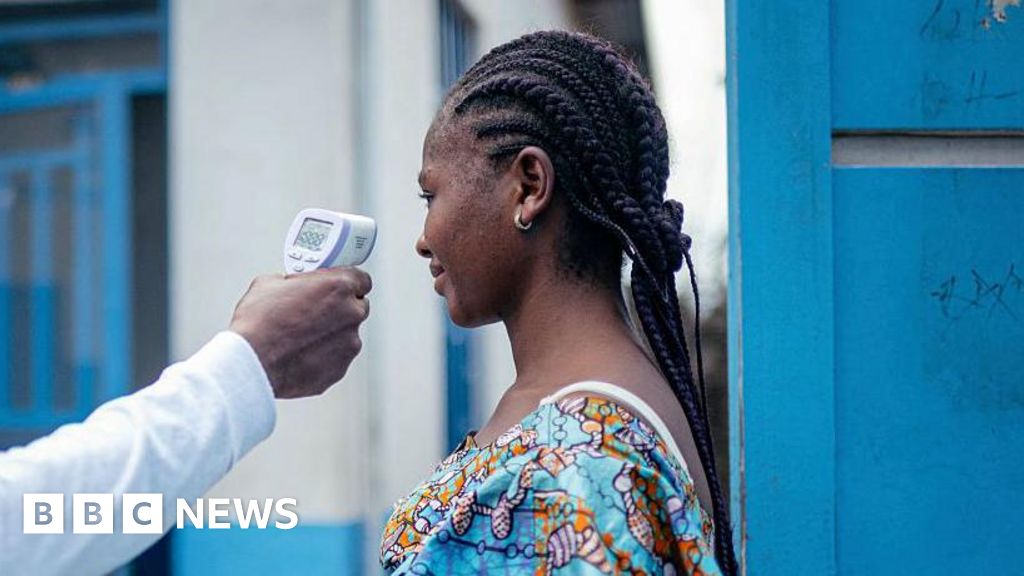
Africa CDC director Dr. Jean Kaseya told the BBC that funerals are a particular concern, echoing lessons from previous outbreaks. Public health campaigns are now providing guidance on safe funeral practices, basic hygiene, and protection for health workers. Kamba added that the outbreak was slow to be reported because infected communities believed it was "witchcraft" or a "mystical illness," leading people to seek help from prayer centres and witchdoctors instead of hospitals. Because nothing says "effective treatment" like a prayer circle for a hemorrhagic fever.
Initial blood tests were negative because they tested for more common species. There's no approved vaccine for Bundibugyo, though experimental ones are in development, and a vaccine for the Zaire species might offer some protection. No drugs target Bundibugyo either, making treatment harder. The outbreak has spread to Goma, a city of 850,000 under rebel control, where a woman traveled after her husband died of Ebola in Bunia, confirmed Jean-Jacques Muyembe, director of the Congolese INRB. One person has died in Uganda's capital, Kampala, and another is being treated - both Congolese nationals who recently traveled there.
The WHO stresses this isn't the start of a COVID-style pandemic; the risk outside East Africa is minimal. But Africa CDC warns of high risk to bordering countries Uganda, Rwanda, and South Sudan. Rwandan authorities are reinforcing screening at the border with Goma. Uganda's President Yoweri Museveni has postponed the Martyrs' Day pilgrimage, a Christian holiday on June 3 that usually draws thousands of Congolese. Meanwhile, the AFC-M23 rebel group controlling Goma claims to have activated an Ebola response team, though neither they nor the government have said whether they'll work together. The INRB confirming the Goma case does offer some grounds for optimism - proof that state-run bodies and rebels can at least agree on the existence of a virus.
The Good Times
News in your inbox.
One sardonic roundup, delivered on your schedule. Free. Unsubscribe whenever your tolerance for wit runs out.
Already subscribed but we never reach your inbox? Check your spam folder and hit 'Not spam' (or 'Remove from spam') to bust us out of junk-mail purgatory. You'll be helping everyone else too.
Don't open any of our emails for a month and you'll be automatically removed from the mailing list.
Rewrite Article
Select parts to regenerate with a fresh AI pass. Translations will be updated automatically.
Generate AI Image
Creates a sardonic version of the article image using OpenAI.