Chinese Sodium Battery Achieves Surprising Parity with Tesla Tech, Scientists Mildly Impressed
A Chinese sodium battery nearly matches Tesla's lithium-ion performance, proving that abundant elements can also be adequate - with a few caveats about cold weather and mysterious copper blobs.
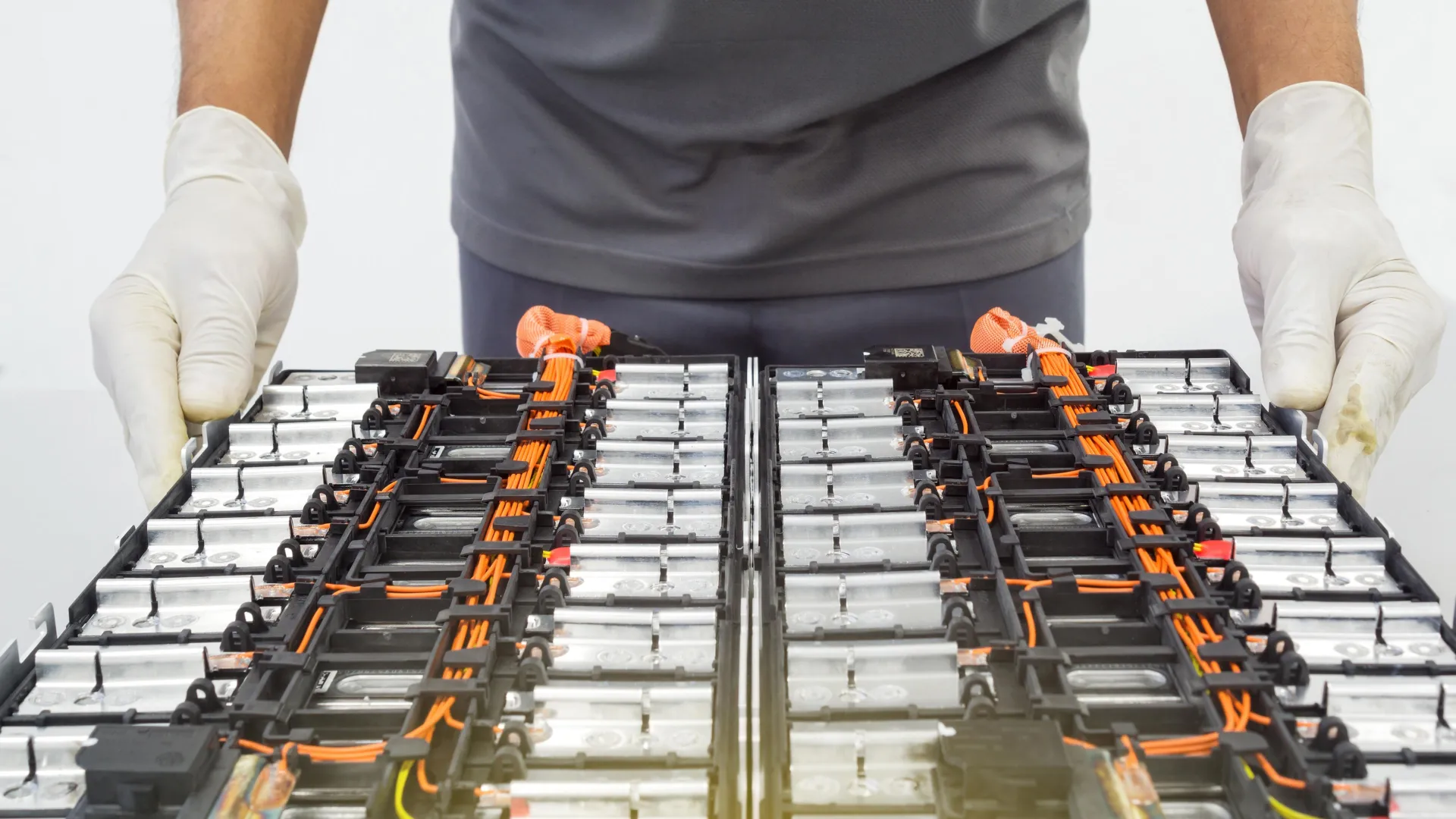
A sodium-ion battery from Chinese manufacturer Hina has, against all odds and perhaps a few raised eyebrows, achieved performance and manufacturing quality levels comparable to Tesla's vaunted lithium-ion batteries. The findings, published in Cell Reports Physical Science, suggest that sodium - an element so abundant it's practically beneath our feet - could become a cheaper alternative for electric vehicles and grid storage, assuming we can get it to charge in the cold.
Researchers at RWTH Aachen University, led by Moritz Schütte, put 120 Hina cells through their paces using impedance spectroscopy, X-rays, and good old-fashioned disassembly. They found that the battery's tabless, double-aluminum current collector design closely resembles Tesla's own architecture, which is either flattery or a very specific coincidence. "We were positively surprised by how uniform the cells are," Schütte admitted, as if expecting a sodium-powered disaster.
The battery performed admirably across temperatures ranging from −20 °C to 45 °C, though low-temperature charging remains a "clear weakness" - because nothing says "ready for winter" like a battery that sulks in the cold. The team also discovered unexpectedly high and unevenly distributed copper concentrations in the cathode, which Schütte says "raises interesting questions about its role in performance and aging." In other words, more mystery metals to sort out.
Sodium's abundance could lower costs and reduce supply chain headaches, but today's sodium-ion cells still lag behind lithium-ion in energy density. Schütte's team plans to focus on improving low-temperature charging and optimizing hard-carbon anodes and electrolytes. The study was supported by Germany's Federal Ministry of Research, Technology, and Space, because apparently even bureaucrats want cheaper batteries.
The Good Times
News in your inbox.
One sardonic roundup, delivered on your schedule. Free. Unsubscribe whenever your tolerance for wit runs out.
Already subscribed but we never reach your inbox? Check your spam folder and hit 'Not spam' (or 'Remove from spam') to bust us out of junk-mail purgatory. You'll be helping everyone else too.
Don't open any of our emails for a month and you'll be automatically removed from the mailing list.
Rewrite Article
Select parts to regenerate with a fresh AI pass. Translations will be updated automatically.
Generate AI Image
Creates a sardonic version of the article image using OpenAI.