Bangladesh Measles Crisis Claims Over 500 Children as Vaccine Delays and Bureaucracy Blamed
Over 500 children dead, 60,000 suspected cases, and a vaccine procurement fiasco - Bangladesh's measles outbreak is a masterclass in how not to handle a preventable disease.
Akira was a fast learner, her father Al Amin recalls with pride. At six months, she was already speaking. By just over four years old, she had picked up some English phrases. "She was never short of love from both families. She was the crown of all," he says.
But Akira never got her measles vaccine - not for lack of trying. Al Amin took her four times to a clinic in Dhaka, Bangladesh's capital. Twice, she was turned away because she had a cold. "Don't stress," a healthcare worker allegedly told them, "the vaccine can be administered up until she reaches 5." The third and fourth times, the vaccine was simply unavailable. On March 8, Akira was hospitalized with what seemed like a normal fever. She was discharged and readmitted five times before a doctor finally diagnosed measles. She died 27 days after her first admission.
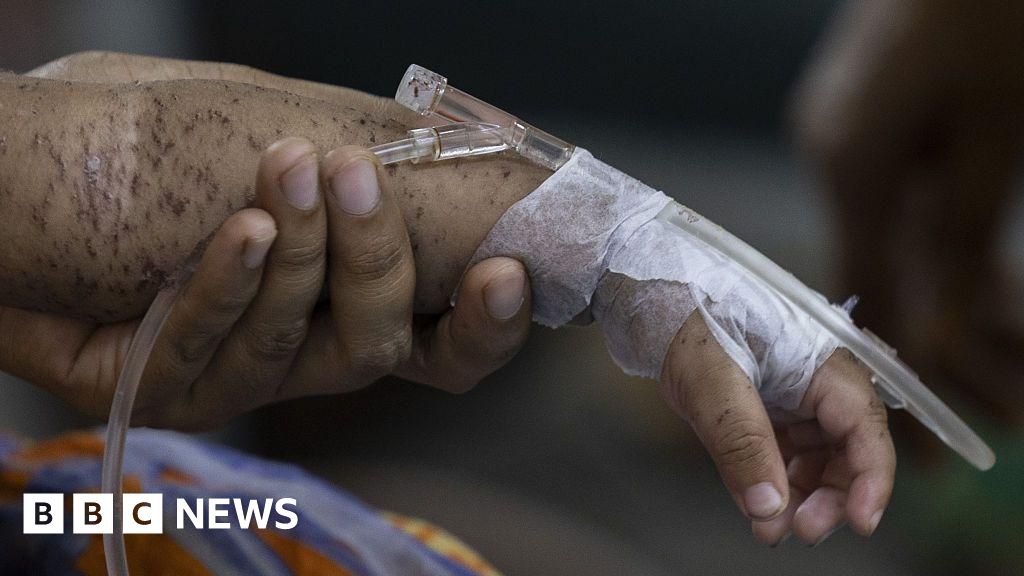
Over 500 children with suspected or confirmed measles have died in Bangladesh since March, according to the health ministry. Suspected cases have topped 60,000. The exact number remains unconfirmed as many await lab results. The health minister cancelled doctors' and nurses' Eid holiday leave and launched a mass vaccination campaign to slow the spread. But for many families, it's too late.
Al Amin and his wife wonder if their daughter caught the virus in the hospital. "From the ticket counter line to the x-ray room, there was a measles patient everywhere," he says. He is angry that his child couldn't get a vaccine, that her symptoms were missed, and that hospitals failed to isolate measles patients.
Measles, highly contagious and spread through coughs and sneezes, is particularly dangerous for unvaccinated children under five. UNICEF reports that hospitals are overwhelmed, with staff helping to isolate and triage children where such measures are lacking. Poor families often delay coming to government hospitals until the last moment, as they must pay for medicine and tests themselves, according to Dr. Mushtaq Husain, former Principal Scientific Officer at the Institute of Epidemiology Disease Control and Research.
UNICEF's Bangladesh country head, Rana Flowers, called it "a bit of a perfect storm." Factors include pockets of unvaccinated children since 2023, high population density in areas like Dhaka and Cox's Bazar, and big holiday population movements. But one element stood out: delays in ordering vaccines.
In 2024, Bangladesh's long-term ruler Sheikh Hasina fled after mass protests. An interim government was appointed, and elections were held in February 2026. UNICEF says the interim government changed how Bangladesh bought vaccines, leading to order delays. Flowers claims she had ten separate meetings with the interim government, warning: "I am worried you are going to face an outage." Former Special Assistant Md Sayedur Rahman countered that "no change was implemented in the vaccine procurement process during the tenure of the interim government."
Gaps from the COVID-19 pandemic also persist. "Previously health workers went door to door to convince parents to get their children vaccinated," Husain says. "But during Covid they were discouraged... Some parents were afraid they could contract Covid if they took their child to hospital."
Bangladesh launched an emergency vaccination campaign in early April, aided by international agencies. UNICEF says this has helped plateau numbers in some badly affected areas. But building immunity takes time. Health Minister Sardar Sakhawat Hossain expects infections to drop soon: "It takes three to four weeks after vaccination to create antibodies. We expect by next week, Inshallah, it will come down." He dismissed calls for an emergency declaration, insisting district hospitals are "ready" and supplying ICUs to remote areas. "I don't think at all about the emergency," he says. "Bangladesh is able to handle."
Meanwhile, Al Amin still counts the days since Akira passed away. "Today I cried for over an hour beside her graveyard," he says. His doctor has prescribed sleeping pills.
The Good Times
News in your inbox.
One sardonic roundup, delivered on your schedule. Free. Unsubscribe whenever your tolerance for wit runs out.
Already subscribed but we never reach your inbox? Check your spam folder and hit 'Not spam' (or 'Remove from spam') to bust us out of junk-mail purgatory. You'll be helping everyone else too.
Don't open any of our emails for a month and you'll be automatically removed from the mailing list.
Rewrite Article
Select parts to regenerate with a fresh AI pass. Translations will be updated automatically.
Generate AI Image
Creates a sardonic version of the article image using OpenAI.