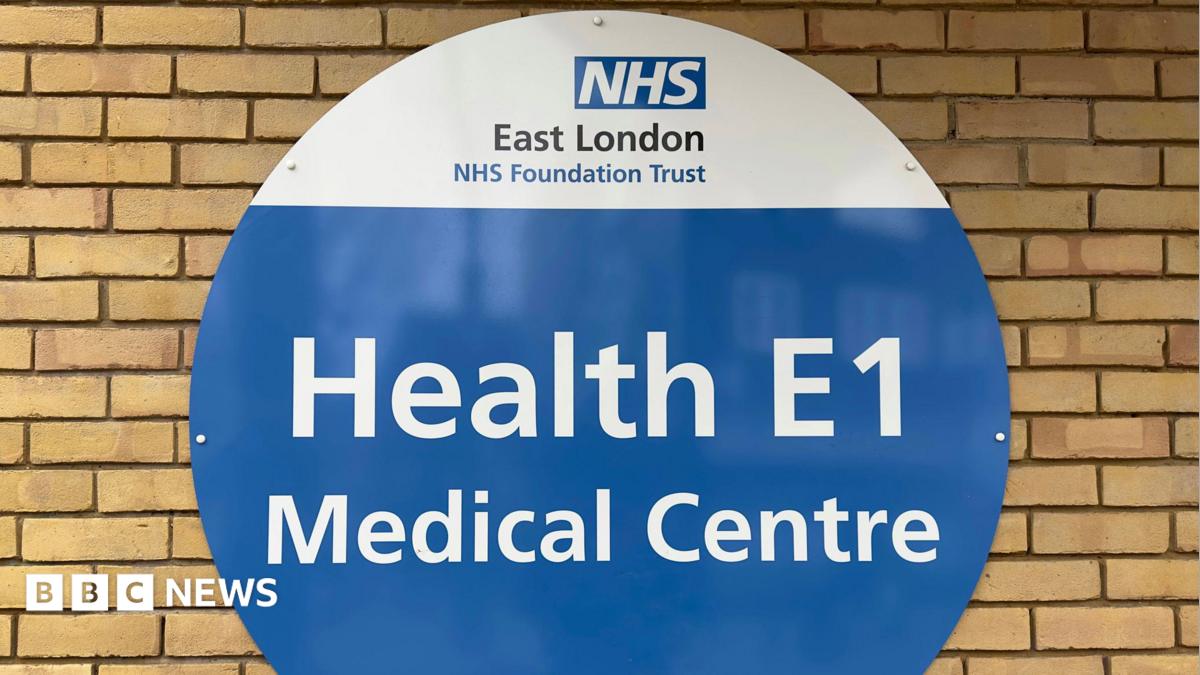
In a move that will surprise absolutely no one who has ever interacted with the NHS, a mental health trust rated "outstanding" by the health watchdog has announced it needs to find £24.1m in savings this year - roughly 2% of its budget. Because why should being excellent protect you from the joys of austerity?
East London NHS Foundation Trust (ELFT), which provides mental health and community services for about 1.8 million people across east London and Bedfordshire, is legally obliged to hit annual financial and efficiency targets. Up to 330 of its 6,000-strong workforce could be affected by the cuts, and union Unite has ominously warned that patients will "feel the consequences." Because, as everyone knows, cutting staff is the best way to improve care.
A trust spokesperson, clearly reading from the NHS script, said ELFT has "a responsibility to live within its means" while "protecting the quality and safety of care." Translation: we'll do more with less, and we'll smile while doing it.
For the financial year 2026-27, the trust plans to redesign nine front-line services, including child and adolescent mental health services (CAMHS), addiction services, adult mental health crisis and community services, and talking therapies. Because nothing says "we care" like restructuring the services that people rely on in their darkest moments.
About 40 posts could be cut by reducing spending on temporary staff, with a smaller number of losses expected in non-clinical and corporate roles. Last year, ELFT made £37m in what it quaintly called "efficiency savings." Apparently, efficiency is a never-ending journey with no destination.
Unite's regional officer Gary Boodhna, perhaps channelling the ghost of every overworked NHS employee, said: "You cannot take 5% of the workforce out of an NHS trust and pretend it will not affect services. Staff are already stretched to breaking point. Our members know how hard it is to keep services running with the resources they have now. Cutting hundreds more jobs will only pile more pressure on to those who remain and patients will inevitably feel the consequences." The union plans to ballot members on strike action, because apparently even the threat of industrial action is now part of the NHS's financial planning.
Apsana Begum, Labour MP for Poplar & Limehouse, has written to the trust to express her concerns, noting that "the focus could have been on how NHS funding is restored and how there can be parity between the quality and level of care for physical health and mental health." She's worried the cuts are "particularly targeted towards mental health care services that are of equal importance to patients." But hey, mental health is just as important as physical health - until it comes to funding, apparently.
ELFT has a sterling reputation, being one of a few NHS organisations with the highest Care Quality Commission rating. Managers from ELFT have even been parachuted in to run other struggling trusts, like Norfolk & Suffolk NHS Foundation Trust. Clearly, they're so good at managing that they're now being asked to do it with 5% fewer people.
The trust's spokesperson reiterated their commitment to "safe and compassionate care" and said they're working with trade unions to find "the most effective and sustainable way to deliver the efficiencies required." Meanwhile, the Department of Health and Social Care (DHSC) insists the government is "dedicated to transforming the quality and sustainability of NHS services," promising a record £16.1bn investment in mental health services in England in 2026-27 (up from £15.7bn in 2025-26) and a mental health plan later this year. Because, as we all know, record investment and record cuts can coexist peacefully.
NHS England has been contacted for comment, but we suspect they're too busy counting paperclips to respond.
The Good Times
News in your inbox.
One sardonic roundup, delivered on your schedule. Free. Unsubscribe whenever your tolerance for wit runs out.
Already subscribed but we never reach your inbox? Check your spam folder and hit 'Not spam' (or 'Remove from spam') to bust us out of junk-mail purgatory. You'll be helping everyone else too.
Don't open any of our emails for a month and you'll be automatically removed from the mailing list.
Rewrite Article
Select parts to regenerate with a fresh AI pass. Translations will be updated automatically.
Generate AI Image
Creates a sardonic version of the article image using OpenAI.