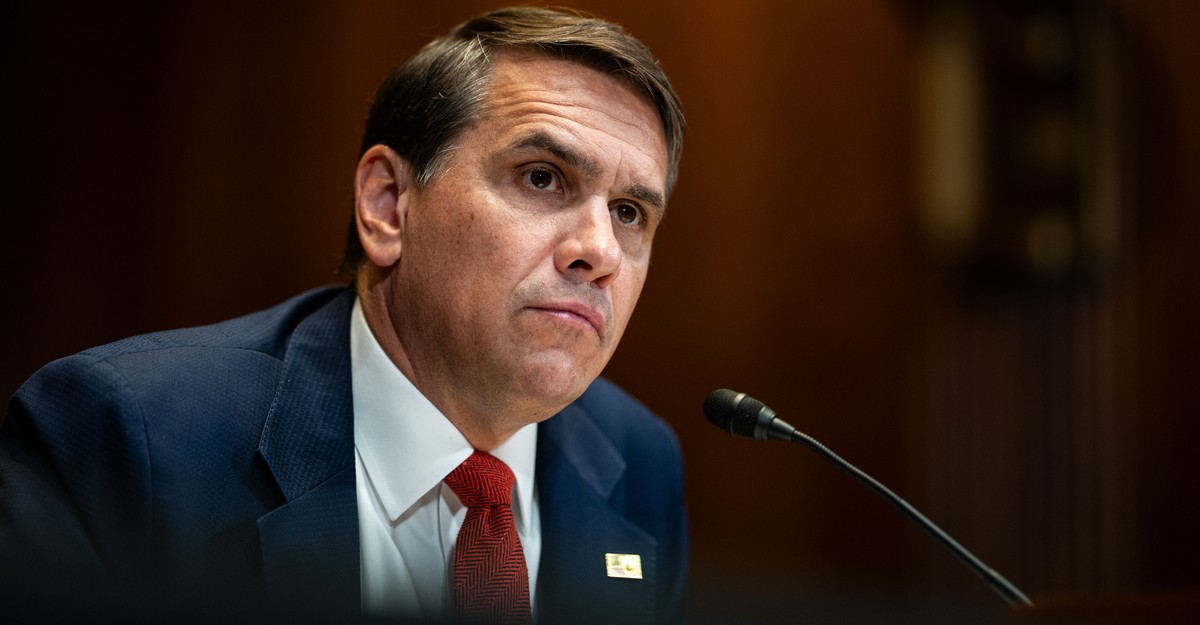
On Wednesday, Todd Blanche heads to Capitol Hill for his attorney general confirmation hearings, though he's already had a 100-day tryout that removed most of the suspense. The Senate Judiciary Committee could deadlock if he loses a single vote, thanks to Lindsey Graham's death leaving an opening. Thom Tillis, the retiring North Carolina Republican and Trump critic, holds a key vote - but his concern seems limited to Blanche being "pretty tight on January 6," ignoring Blanche's role in Trump's $1.8 billion fund for political allies, including January 6 defendants. A federal judge just issued a scathing ruling that the lawsuit producing that settlement was improper, singling out Blanche - perfect timing for hearings.
If Blanche clears committee, he needs a majority in the full Senate, where the GOP holds only a 51 - 47 edge until Graham's sister is sworn in and Mitch McConnell remains out. Most Republicans will vote yes because the president wants it, and Blanche has shown blind loyalty as acting AG. That's dangerous for free speech and free press, as recent events demonstrate.
Last week, Trump returned from Turkey on an older Air Force One plane because his new Qatari jet lacks "advanced antimissile capabilities." The New York Times reported this, and Blanche's DOJ issued subpoenas to four Times reporters, dispatching federal agents to their homes to compel testimony about the leak. This follows a January FBI raid on a Washington Post reporter's home, two judges ruling against the government, May subpoenas of Wall Street Journal reporters over Iran war leaks, and subpoenas of another Post reporter on Venezuela. DOJ withdrew the June subpoenas. FBI Director Kash Patel has also sued The Atlantic and opened a criminal investigation into its reporter.
The DOJ claims reporters aren't targets, but that's a meaningless distinction: if they reveal sources, they break promises; if they refuse, they face jail. The driving force is Trump, who wrote "Treason" in Sharpie on articles about the Iran war and summoned Patel to oversee the Air Force One leak investigation. Blanche hasn't resigned or protested; he's publicly defended the moves, posting that prosecuting leakers is a priority, and telling journalists he values their role while ensuring secrets aren't shared with them. The administration seems more concerned about embarrassment than security. Faced with choosing between Trump's political aims and press freedom, Blanche chooses the latter every time.
The Good Times
News in your inbox.
One sardonic roundup, delivered on your schedule. Free. Unsubscribe whenever your tolerance for wit runs out.
Already subscribed but we never reach your inbox? Check your spam folder and hit 'Not spam' (or 'Remove from spam') to bust us out of junk-mail purgatory. You'll be helping everyone else too.
Don't open any of our emails for a month and you'll be automatically removed from the mailing list.
Rewrite Article
Select parts to regenerate with a fresh AI pass. Translations will be updated automatically.
Generate AI Image
Creates a sardonic version of the article image using OpenAI.