Lords Committee Urges Ban on Pet Flea Treatments, Calls Monthly Use 'Sledgehammer to Crack a Nut'
Lords committee says monthly flea treatments are environmental overkill, recommends restricting sales to vets and pharmacists - because your dog's fleas aren't worth killing the river.
In a move that will surprise exactly no one who has ever watched a flea feasting on their dog, a Lords committee has urged the government to restrict the sale of pet flea treatments, citing serious environmental concerns. The cross-party House of Lords environment committee, after an inquiry, recommended that spot-on treatments for parasites be pulled from supermarket shelves and online stores, and only be sold by vets, pharmacists, and other qualified professionals.
The committee heard that the widespread, often monthly use of these treatments is not backed by robust scientific evidence and is likely harming ecosystems. High volumes of fipronil and imidacloprid, common active ingredients, have been found in UK streams and rivers, killing aquatic life and causing a knock-on effect up the food chain. These chemicals are already banned as agricultural pesticides due to their impact on bees, yet they're still being slathered on our pets.
Baroness Shas Sheehan, chairing the committee, didn't mince words: overuse on household pets was 'the equivalent of using a sledgehammer to crack a nut.' She added that pet owners deserve 'accurate, evidence-based guidance on the need for, and risks of, the existing and new chemicals which are being prescribed.'
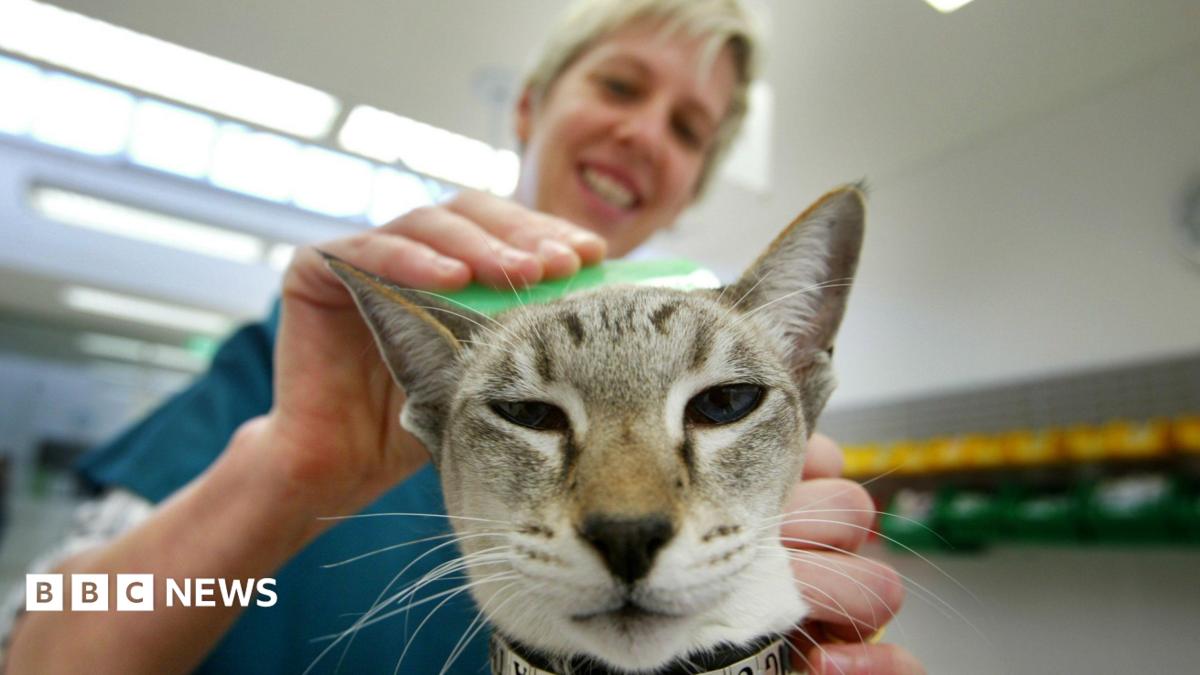
Many vets, the committee heard, don't treat their own pets monthly - they use flea combs and only apply treatments when fleas are actually spotted. A radical concept: treat the problem when it exists, not preemptively douse your pet in chemicals just in case.
The British Veterinary Association (BVA) is backing the call for a ban on over-the-counter sales. However, the National Office of Animal Health (NOAH), the trade association for the UK animal health industry, insists that 'risk-based use' of parasite control products is vital for preventing disease in animals and reducing parasite transmission to humans. They also reassure that all treatments undergo 'rigorous scientific assessment by independent regulatory authorities.'
The committee's report recommends a risk-based approach considering each animal's clinical needs, and warns that parasiticides are being routinely sold without convincing evidence of clinical need. They also want vets to warn about potential harm to wildlife, and for packaging to make these risks more visible. Additionally, they call for a review of the relationship between the industry and regulators, and for the pet health industry to fund further research on environmental impacts.
The government, meanwhile, says it's 'committed to restoring nature and cleaning up our rivers whilst upholding the highest animal welfare standards.' They've launched a call for evidence on the treatments' impact on UK rivers. The Veterinary Medicines Directorate (VMD) acknowledges that while these treatments play an important role, they are 'entering our watercourses which could be contributing to wider environmental impacts.'
So, as we await the government's next move, perhaps consider: does Fido really need a monthly chemical bath, or just a good comb and some vigilance? The environment - and the fish downstream - might appreciate the latter.
The Good Times
Nyheter i din inkorg.
En sardonisk sammanfattning, levererad enligt ditt schema. Gratis. Avsluta prenumerationen när du vill.
Redan prenumerant men vi dyker aldrig upp? Kolla skräppostmappen och klicka på 'Inte skräppost' (eller 'Ta bort från skräppost') för att rädda oss ur skräppostens skärseld. På köpet hjälper du alla andra.
Om du inte öppnar något av våra mejl på en månad tas du automatiskt bort från listan.
Rewrite Article
Select parts to regenerate with a fresh AI pass. Translations will be updated automatically.
Generate AI Image
Creates a sardonic version of the article image using OpenAI.