
In a plot twist that has dentists everywhere raising an eyebrow and a floss pick, a yearlong study has found that a combination of omega-3 and low-dose acetylsalicylic acid (ASA) performs about as well as antibiotics for severe periodontitis. Yes, the same stuff in your grandma's pill organizer might one day spare you a course of metronidazole and amoxicillin.
The research, conducted by a team of Brazilian and American scientists - including folks from Albert Einstein Israelite Hospital, Guarulhos University (UNG), the University of Taubaté (UNITAU), the Ribeirão Preto School of Dentistry at USP (FORP-USP), and Harvard University - was published in the Journal of Periodontology. The study, supported by FAPESP (projects 20/05874-2 and 20/05875-9), followed 109 people with advanced periodontitis for one year.
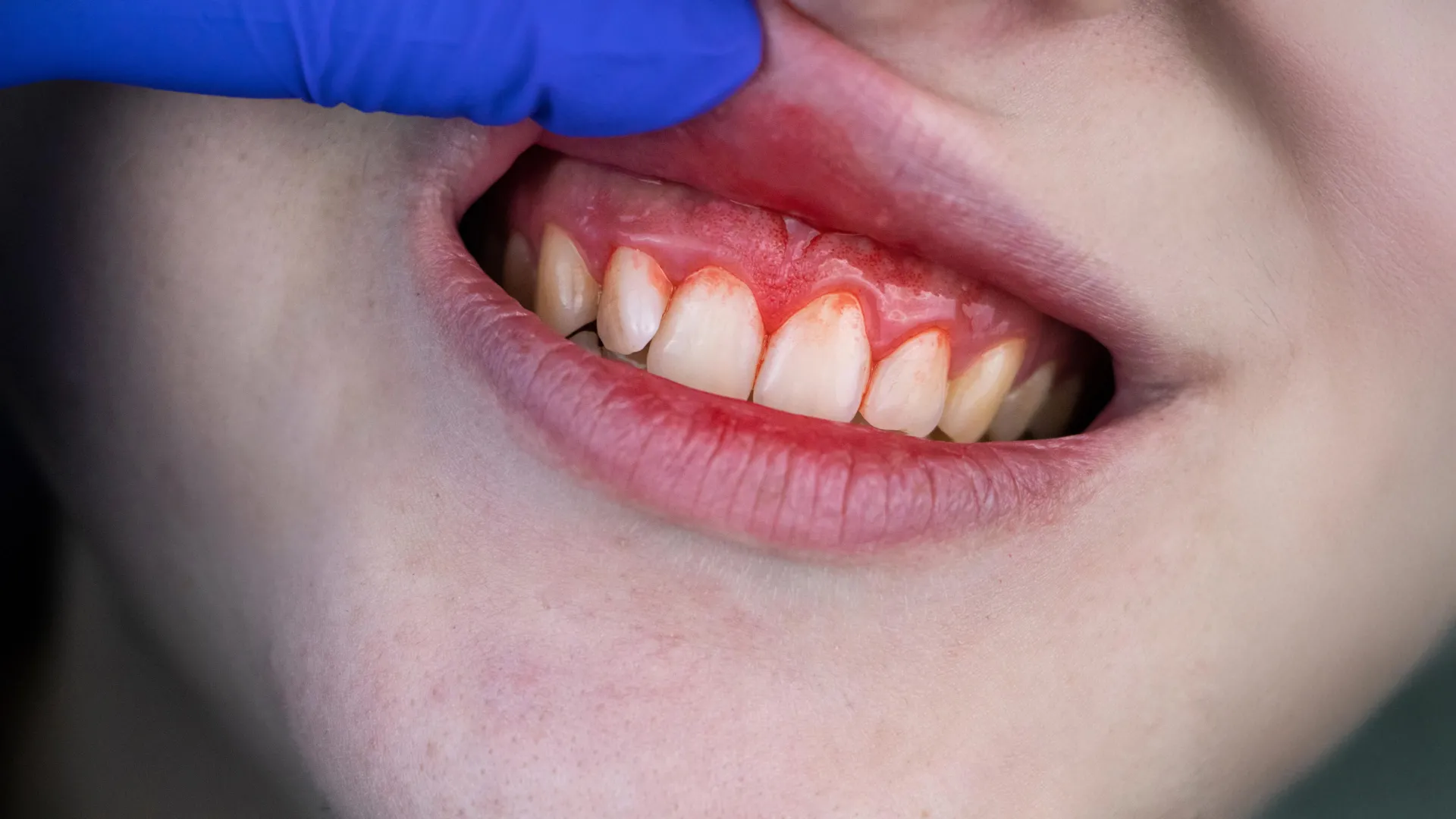
Periodontitis, for the uninitiated, is that chronic inflammatory disease where bacteria throw a party below your gumline and slowly destroy the tissues holding your teeth in place. In severe cases, it can wreck supportive bone, loosen teeth, and eventually send them packing. "Patients with severe disease have very deep pockets, which act as reservoirs for bacteria associated with the disease. It's a very challenging condition to treat," says dental surgeon Nídia Cristina Castro dos Santos, first author and professor at Einstein.
The participants were split into four groups, all receiving the standard scaling treatment (subgingival instrumentation). The control group got placebo capsules that looked like the real deal - because nothing says science like tricking people into thinking their sugar pills are antibiotics. A second group took the antibiotic combo of metronidazole and amoxicillin three times daily for 14 days. A third group popped 3 grams of omega-3 daily plus a daily low-dose aspirin for six months. And the fourth group did both: antibiotics for two weeks plus the omega-3/ASA regimen for six months.
After one year, the results were strikingly similar for the antibiotic and supplement groups. About 58% of antibiotic patients hit the clinical target - no more than four remaining deep periodontal pockets - while 57.7% of the omega-3/ASA group achieved the same. Meanwhile, only 23.1% of those on scaling plus placebo reached the goal, proving that doing something is better than doing nothing, even if that something is just fish oil and baby aspirin.
Surprisingly, combining antibiotics with omega-3 and ASA didn't add any extra benefit. "The use of antibiotics isn't considered the gold standard of treatment. Although metronidazole and amoxicillin yield good results in the most severe cases, their use should be evaluated on a case-by-case basis due to risks related to bacterial resistance and possible adverse effects," says Castro dos Santos.
This isn't the first time omega-3 has shown promise. An earlier FAPESP-supported study in Scientific Reports found that omega-3 reduced inflammation and bone loss in rats with periodontal disease, especially when combined with exercise. Because rats aren't people, that study couldn't confirm the effect in humans, but it hinted that omega-3 might influence the inflammatory processes involved.
Omega-3 works differently than typical anti-inflammatories. Instead of just blocking inflammatory pathways, it helps produce molecules that naturally resolve inflammation and promote tissue repair. Low-dose ASA was added because it can boost those resolving molecules. The researchers suspected the combo might help the body control the persistent inflammation of periodontitis.
"We imagined that the combination of antibiotics and omega-3 would be most effective in controlling periodontitis in these patients. We also believed that the results for the group that used omega-3 with ASA would be slightly lower than those for the antibiotic group. The result was surprising because the two therapies performed very similarly, paving the way for it to become a treatment option for these patients," says Castro.
The benefits also stuck around. Six months after stopping the omega-3/ASA, participants still showed results similar to those at the end of treatment. That longevity suggests that tweaking the body's inflammatory response could produce lasting effects, though researchers are still figuring out the exact mechanism.
For Magda Feres, lead author and full professor at Harvard School of Dental Medicine and the Graduate Program in Dentistry at UNG, the results offer hope for patients who can't take antibiotics. "The combination of omega-3 and low-dose aspirin achieved clinical benefits comparable to those of the metronidazole and amoxicillin protocol, opening up a real alternative for those who can't take antibiotics, especially patients with allergies or intolerance to these medications," she says.
This matters because antibiotic resistance is a global health threat. "Demonstrating that it's possible to treat severe periodontitis by modulating the body's own response is new and relevant information that helps preserve antibiotics for when they are truly indispensable," Feres adds.
But before you raid your pantry, the researchers stress this isn't a routine replacement yet. The trial excluded people with significant systemic or oral diseases, so more studies are needed to see if the results hold in broader populations. They're also analyzing microbes in periodontal pockets, with preliminary findings suggesting the therapies might reduce disease-associated bacteria while boosting healthier ones.
"It's an important step forward, but not the end of the story. Therefore, the message is one of cautious optimism: we have a promising, scientifically plausible alternative to antibiotics in select cases. Routine replacement will require more evidence," she concludes.