Sky to Buy ITV: Your Soap Operas Are Safe (For Now), But Don't Get Too Comfortable
Sky's takeover of ITV won't immediately hide your soaps behind a paywall, but long-term integration, sports synergy, and potential newsroom consolidation could reshape British telly - with an American accent.
One of the biggest takeovers in British media history is about to happen, creating a new British media company - that is, if you ignore the fact that it'll be American-owned. Sky, owned by Comcast, is expected to buy ITV's TV and streaming channels (including ITVX), with an announcement likely imminent. If you don't read the business pages, you might have missed it amid all the normal people stuff.
For Sky, buying the broadcast arm of Britain's most watched commercial public service broadcaster makes sense: it gets access to millions of people, plus scale and prominence on a free-to-air platform. The goal is reportedly to create a commercial streamer that can truly rival Netflix and Disney+ in the UK. But what does this mean for you, the viewer? Crucially, your favourite ITV shows won't suddenly vanish behind a paywall. Caroline Frost of Radio Times notes that ITV is legally required to provide a free-to-air service until at least 2034 due to its public service broadcasting licence. However, she adds, "gradually, content which might debut on free/live-to-air ITV might end up on a subscription platform."
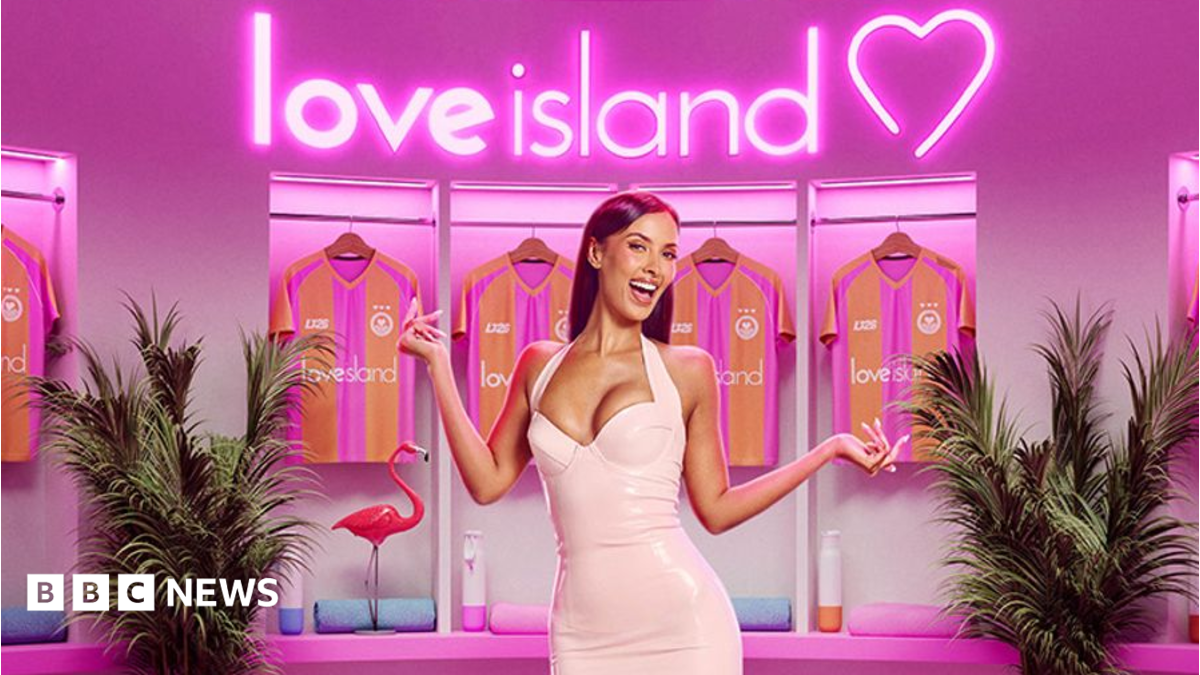
In the short to medium term, the big shows - Coronation Street, Love Island, Emmerdale, I'm a Celebrity - won't look any different. They'll still air on ITV and ITVX, made by ITV Studios (which owns over 60 production companies globally and makes hits like Line of Duty for the BBC and Love Island USA). ITV Studios isn't being bought; it will become a standalone company (ITV Studios PLC) owned by current ITV shareholders. The deal is expected to include a "supply deal" ensuring these shows remain on ITV. But at some point, Sky could decommission shows or renegotiate contracts - after all, you don't take over a company without believing there are savings to be made. Long term, Frost predicts more integration between ITVX and Sky's streaming services, like bundling by genre rather than channel to cut costs and cross-advertise.
Producer Patrick Spence (BAFTA winner for Mr Bates vs The Post Office, which drew 15 million viewers) calls the deal "exciting." He sees it as a sign that linear TV's obituary has been written prematurely. "We get told so often about the death of broadcast TV," he says. "What I take away is that Sky must really like and believe in ITV. They think there is a business to be grown that uses the audience reach and loyalty ITV has."
Some worry about American ownership diluting British distinctiveness. But Camilla Lewis of Curve Media argues streamers now realise the power of parochial programming: Netflix didn't anticipate Baby Reindeer's global success, and Disney commissions very British shows like Rivals. "A Sky-ITV company would be foolish to pivot away from commissioning programmes with a national identity," she says. "It wouldn't make business sense."
Sport is a major driver. Sky is known for Premier League and Formula 1 coverage (rights until 2034). ITV can bid for free-to-air crown jewels like the Olympics and World Cup. Former ITV Chairman Peter Bazalgette says, "Putting together Sky's football deals with ITV's World Cup and Six Nations is probably one of the most attractive things for Comcast." Audiences might see Sky content (e.g., a Premier League match or The Day of the Jackal) air free on ITV as a shop window for subscriptions.
ITV's public service licence runs until 2034, requiring regional news, 85% original peak-time content, and out-of-London production quotas. Those won't change for now. But ITN, which has made ITV news since 1955 and just renewed its contract until 2031, faces uncertainty. After 2031, could Sky News produce News at Ten? Hypotheticals abound, and Sky may not even want to continue as a public service broadcaster after 2034. The media landscape could look very different by then - but for now, your soaps are safe, your sports might get a free preview, and the British identity of your telly is probably fine. Probably.
The Good Times
News in your inbox.
One sardonic roundup, delivered on your schedule. Free. Unsubscribe whenever your tolerance for wit runs out.
Already subscribed but we never reach your inbox? Check your spam folder and hit 'Not spam' (or 'Remove from spam') to bust us out of junk-mail purgatory. You'll be helping everyone else too.
Don't open any of our emails for a month and you'll be automatically removed from the mailing list.
Rewrite Article
Select parts to regenerate with a fresh AI pass. Translations will be updated automatically.
Generate AI Image
Creates a sardonic version of the article image using OpenAI.