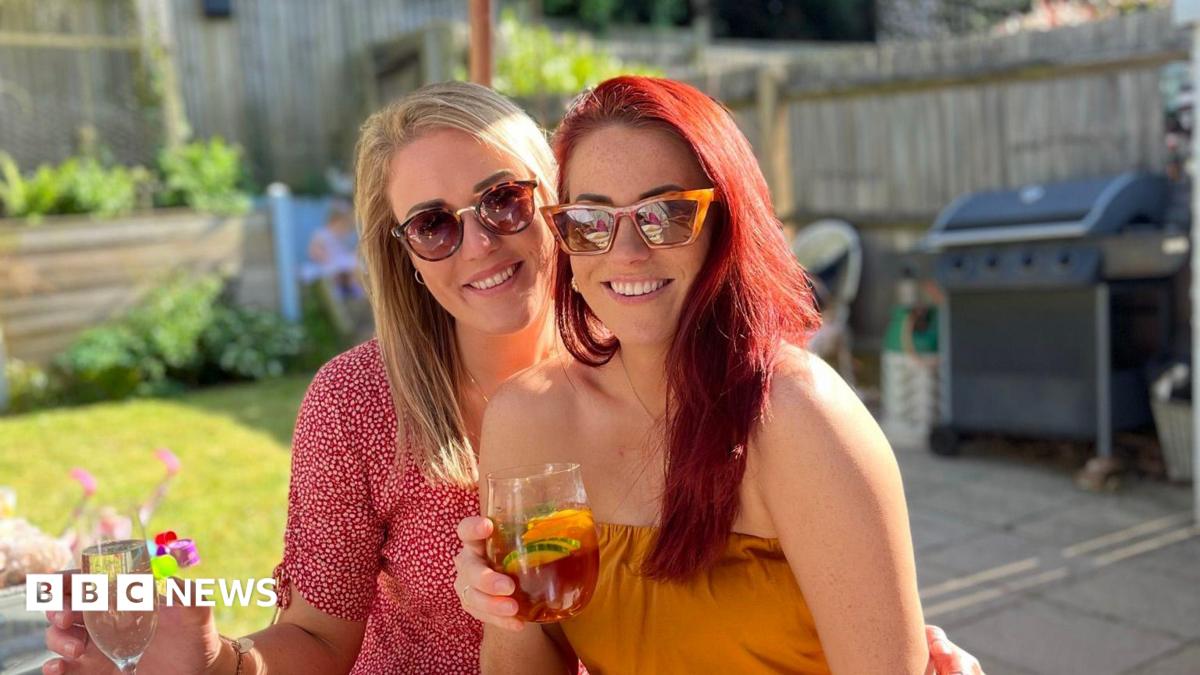
When Leanne's relationship ended in her late 20s, she figured her dream of buying a home in her hometown would have to wait. She had a good salary, but properties with a garden and parking were out of reach on her own. She'd just started seeing someone new, but it was way too early to talk about moving in together.
Enter Sarah, her friend from school, who was single and renting a room in a shared house in Brighton. She wanted to move back to Kent but was worried about getting on the housing ladder on her cabin crew salary. When Sarah suggested they buy together, Leanne 'totally baulked.' But after chatting with a mortgage adviser, they went ahead - and it helped them dodge the so-called 'singles tax.'
Being single can cost you. Estimates suggest it's anywhere from hundreds of pounds to £10,000 extra per year, depending on where you live. Rent, bills, and subscriptions can't be split, and a single person pays 25% less council tax than a couple - not half. Then there are the couples' discounts: 2-for-1 cinema tickets, Two-Together railcards, couples gym memberships, and solo travelers often pay a single supplement.
This affects a lot of people. In 2024, 18.5 million people had never been married or in a civil partnership - 36.8% of the population aged 16 and over. And 8.6 million people were living alone in the UK last year, nearly a third of all households.
Sarah and Leanne planned carefully: they agreed to live together for at least two years (later extended to four), discussed exit strategies, split mortgage payments proportionally to their salaries, and drew up a declaration of trust. They split household bills via a joint account, with self-professed 'bill keeper' Sarah tracking transfers. They even shared meals and cooking to cut costs.
'We called it our happy home, not our forever home,' says Leanne. 'And it was a very happy home,' agrees Sarah.
The Homeowner's Alliance points out that buying with friends can mean a bigger deposit and budget, but warns to consider pitfalls seriously - be upfront about finances, seek separate legal advice, and draw up a formal agreement.
Sarah and Leanne sold their house for a profit after four years, using the equity for separate purchases. Sarah says, 'Neither of us would have been able to do what we've done without having the property that we had together.' Leanne adds that the hidden singles tax is that everything takes longer to afford.
Their success inspired friend Philly to set up Cucoon, an online platform matching singles to buy together. Her aim is to 'level the playing field,' noting the singles tax is especially high in housing.
Julia Pearson from Hampshire set up Just4One nine years ago after discovering many holiday places charged extra for solo travelers. The platform lists travel providers without single supplements. She says being single feels like a 'constant review of your costs all the time.' She's also tried adding a named driver to her car insurance, saving 8% - the RAC suggests this but warns it can also raise premiums.
Julia shares items with friends, borrowing tools for renovations and giving plant cuttings. 'As a society, we are becoming more social in terms of our sharing and thinking,' she says. 'Rather than thinking, "I've got to go out and buy that," think about how else you can play that.'
So, is buying with friends the answer to a tough housing market? Or just a way to avoid the singles tax? Either way, it's a reminder that the most expensive thing in life might be a lack of a plus-one.
The Good Times
News in your inbox.
One sardonic roundup, delivered on your schedule. Free. Unsubscribe whenever your tolerance for wit runs out.
Already subscribed but we never reach your inbox? Check your spam folder and hit 'Not spam' (or 'Remove from spam') to bust us out of junk-mail purgatory. You'll be helping everyone else too.
Don't open any of our emails for a month and you'll be automatically removed from the mailing list.
Rewrite Article
Select parts to regenerate with a fresh AI pass. Translations will be updated automatically.
Generate AI Image
Creates a sardonic version of the article image using OpenAI.