Property Guardians: The New Way to Live in a Former Care Home and Pretend You're a Squatter With Permission
Desperate times call for desperate measures: live in a former care home with mushrooms on the walls and only 28 days' notice, but hey, at least it's cheap.
Would you live in a disused care home, pub, or bank if it meant paying significantly less rent? As the cost of living continues its relentless march upward, a growing number of people are becoming property guardians - occupying vacant buildings to keep out squatters, vandals, and general decay, in exchange for a 30-50% discount on rent.
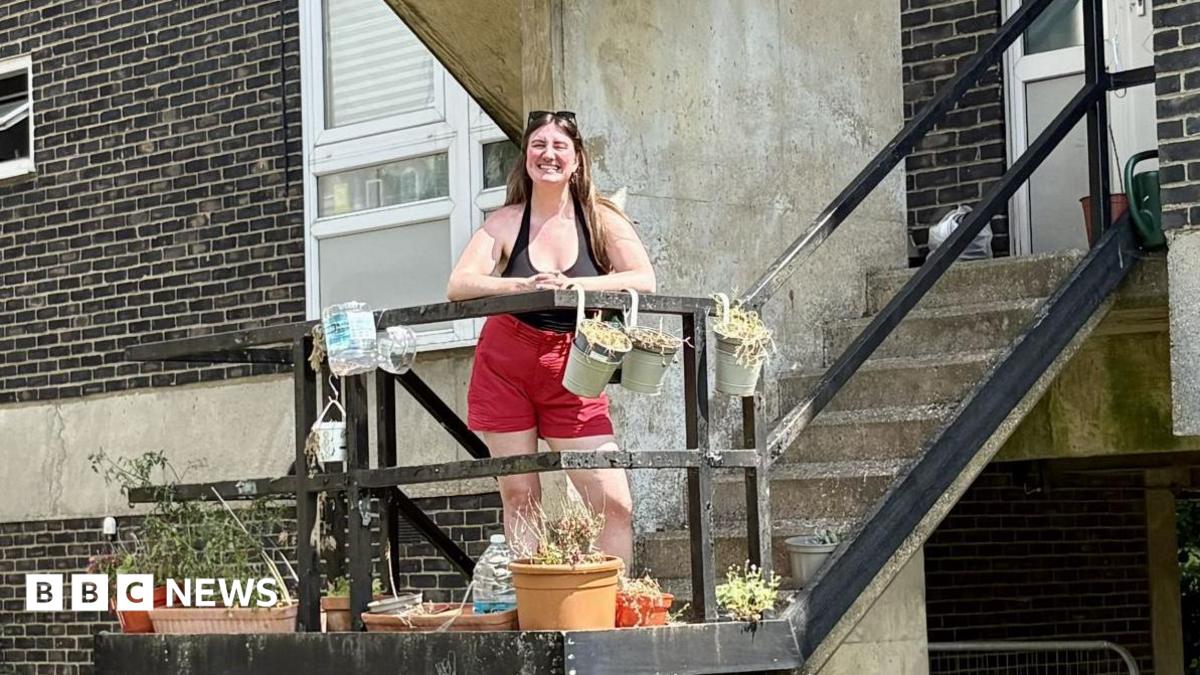
Katrina, 29, a postgraduate student, has spent the last 10 months in an Edwardian mansion in Hampstead that served as a care home until 2015. She pays £580 a month for her room - about £400 below the London average - and shares the space with around 50 other guardians. The mansion has grand staircases, chandeliers, and a 1.7-acre garden, but also mushrooms growing on the walls and falling balcony stonework. "It's somewhere between living in university halls, a block of flats, and a fancy squat," she says.
But guardians have fewer rights than private tenants. They hold a "licence to occupy" rather than a tenancy, meaning deposits aren't protected, repairs aren't guaranteed, and landlords can visit anytime. Eviction can happen with just 28 days' notice. Katrina admits the arrangement is precarious - the building was bought by a developer planning to turn it into flats - but says, "If anyone doesn't like that, it's not for them."
David Hale, 32, has been a guardian for nearly a decade, now living in a former primary school in Brixton with his wife. They pay £1,500 a month for a "massive" space - saving about £1,000 compared to similar private rentals. But they're saving to buy a home: "We wouldn't want to share toilets and bathrooms forever."
The Property Guardian Providers Association (PGPA) estimates there are 10,000 to 15,000 guardians in the UK, mainly aged 20-35, and says applications have surged as rents soar. They argue guardianship helps ease the housing crisis by using vacant buildings - over a million homes and tens of millions of square feet of non-residential property stand empty. But housing charity Shelter counters that it shows people are being forced "further and further afield just to keep a roof over their heads." Chief executive Sarah Elliott says, "For most, this isn't a good alternative to an affordable, stable home."
Tips for prospective guardians: be flexible, choose an established company, read your licence carefully, know your rights, and embrace community living. Just don't expect to stay forever - or to have a landlord who fixes the mushrooms.
The Good Times
News in your inbox.
One sardonic roundup, delivered on your schedule. Free. Unsubscribe whenever your tolerance for wit runs out.
Already subscribed but we never reach your inbox? Check your spam folder and hit 'Not spam' (or 'Remove from spam') to bust us out of junk-mail purgatory. You'll be helping everyone else too.
Don't open any of our emails for a month and you'll be automatically removed from the mailing list.
Rewrite Article
Select parts to regenerate with a fresh AI pass. Translations will be updated automatically.
Generate AI Image
Creates a sardonic version of the article image using OpenAI.