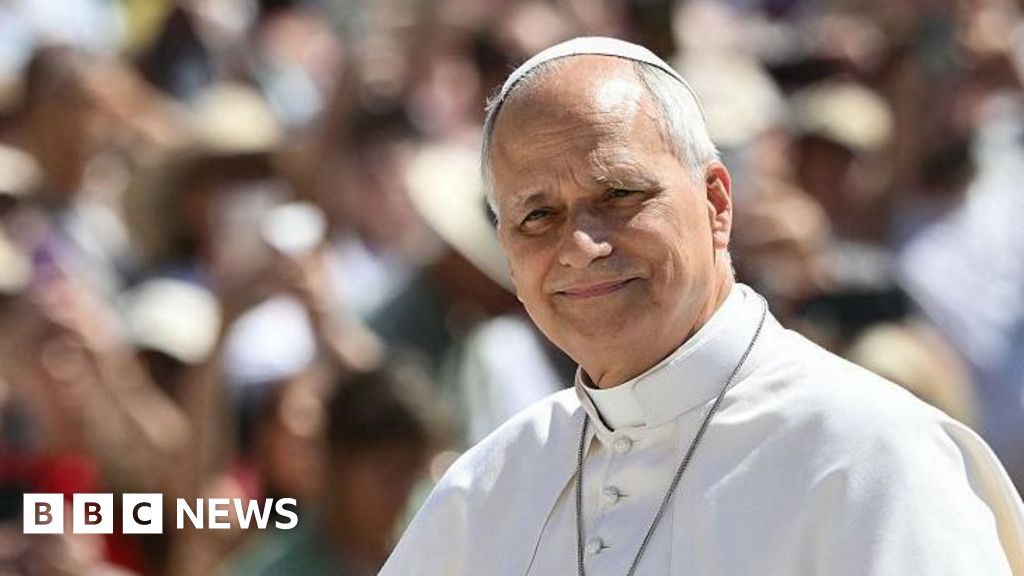
Pope Apologises for Church’s Slavery Role; Ghana Says ‘About Time’, Plans Stay for Reparations Conference
Pope Leo XIV issues apology for Church’s role in slavery; Ghana applauds the moral courage, then politely reminds everyone that reparations are still on the table.
Ghana has welcomed Pope Leo XIV’s apology for the Catholic Church’s historic role in slavery, calling it an “act of moral courage” that advances the global pursuit of “truth, human dignity and justice.” The apology, delivered in the Pope’s first major teaching document, is the clearest admission yet that the Church spent centuries legitimising slavery before belatedly condemning it.
Ghana, a major hub for the transatlantic slave trade, knows the numbers all too well: between the 16th and 19th centuries, 12 - 15 million Africans were shipped to the Caribbean, with about two million dying en route. The West African nation has long been leading calls for compensation and apologies from Western nations, so when the Pope’s encyclical - titled “Magnifica Humanitas” (“Magnificent Humanity”) - arrived, Ghana’s government issued a statement saying the recognition of the painful past was “an important step towards healing, reconciliation and a just society.”
In the letter, Pope Leo sincerely asked pardon in the name of the Church, admitting it was “impossible not to feel deep sorrow when contemplating the immense suffering and humiliation endured by so many.” He acknowledged Church authorities had at times responded to rulers’ requests by “regulating and legitimising forms of subjugation, including the enslavement of non-Christians,” and that ecclesiastical institutions once owned slaves. “This constitutes a wound in Christian memory,” he wrote.
The apology comes after Pope Leo’s 11-day, four-nation Africa tour in April, where he laced into foreigners exploiting the continent’s wealth. Ghana noted the apology was significant at a time the world was having “deeper reflection” on slavery and colonialism - and it’s not just talking. In March, Ghana pushed through a UN resolution recognising the enslavement of Africans as the “gravest crime against humanity,” aiming for healing and reparations. The country, which still has forts used to hold captives before shipping them to the Americas, will host a conference in June to discuss next steps.
Human Rights Watch said the apology was important but stressed that apologies alone aren’t enough - religious institutions, states and corporations that benefited from slavery should “reckon seriously” with their histories and join reparative efforts. Ghana, presumably, will be taking notes.
The Good Times
News in your inbox.
One sardonic roundup, delivered on your schedule. Free. Unsubscribe whenever your tolerance for wit runs out.
Already subscribed but we never reach your inbox? Check your spam folder and hit 'Not spam' (or 'Remove from spam') to bust us out of junk-mail purgatory. You'll be helping everyone else too.
Don't open any of our emails for a month and you'll be automatically removed from the mailing list.
Rewrite Article
Select parts to regenerate with a fresh AI pass. Translations will be updated automatically.
Generate AI Image
Creates a sardonic version of the article image using OpenAI.