NHS Mails Out DIY Cervical Screening Kits, Because Apparently Going to the Doctor Was Asking Too Much
The NHS is sending DIY HPV test kits to millions of women who skipped cervical screening, because apparently the only thing standing between them and cancer is a cotton bud and a stamp.
In a move that turns 'avoiding the doctor' into a legitimate medical strategy, the NHS is now offering at-home HPV self-testing kits to women in England who've skipped their cervical screening appointments. Over the next year, nearly 4 million women will get invites via the NHS App, text, email, or letter to order a free kit and do the deed in the privacy of their own bathroom.
Why the sudden DIY push? Because roughly a third of eligible women have been giving cervical screening a hard pass recently. The kits are designed to catch high-risk HPV, the virus responsible for nearly all cervical cancer cases, in the hopes of luring more people into the screening net.
Gem Sofianos-Boorman, 39, is living proof that screening works. She was diagnosed with cervical cancer at 28, after a routine screening that she never expected to matter - she was young, healthy, and symptom-free. She had surgery to remove the cancerous cells and lymph nodes from her abdomen and pelvis to stop the spread. 'Looking back, I truly believe that going to my screening appointment saved my life,' she said. 'My cancer was found early, which allowed me to have treatment before it spread. That's why it's great news that the NHS is making it more accessible for some people to take part in screening.'
Cervical cancer is notoriously sneaky, often showing no symptoms until it's advanced and harder to treat. Hence the NHS's plea: 'If you receive an invite to cervical screening, or an offer of a self-testing kit, please don't ignore it - it could save your life.'
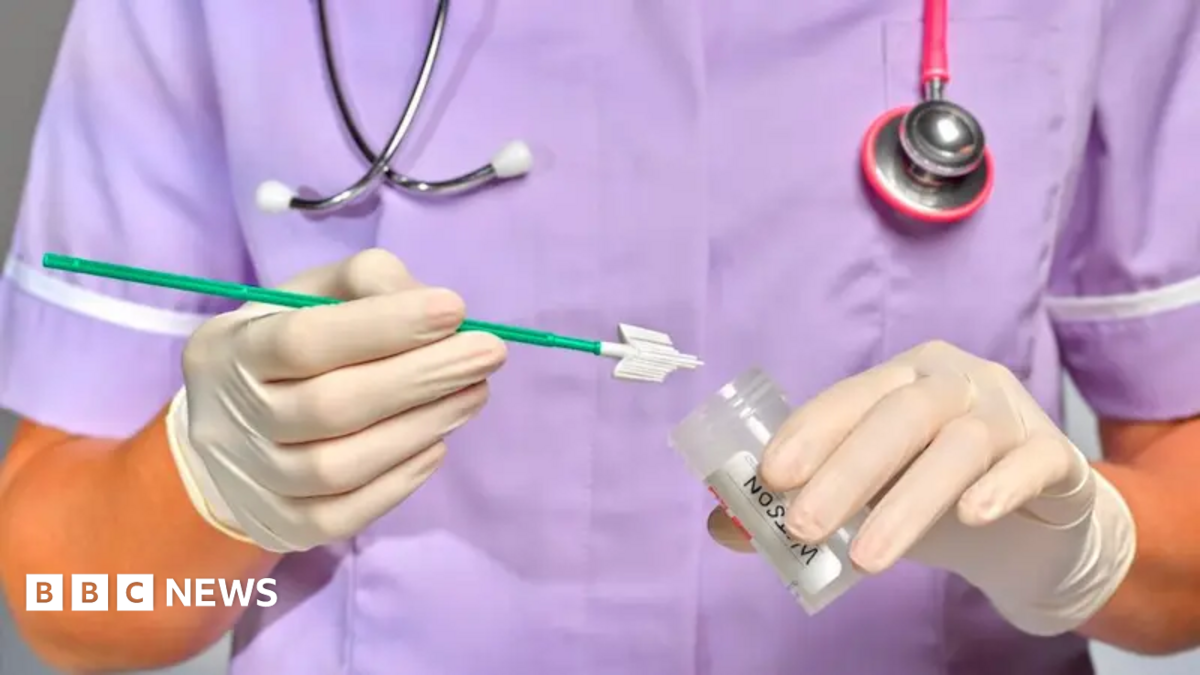
Dr Sue Mann, national clinical director for women's health, called the kits 'a game-changer,' saying they address the usual excuses - embarrassment, lack of time, or worries about discomfort - with 'a discreet and convenient option.' The kits include a swab, similar to a long cotton bud, to collect a vaginal sample, which is then mailed back to the NHS. If high-risk HPV is found, the individual gets invited for a follow-up screening appointment. (Note: High-risk HPV increases cervical cancer risk, but it doesn't mean you'll automatically get it - so don't panic, just follow up.)
Trials in London suggest the self-testing could persuade one in 10 previously reluctant women to come forward, boosting uptake by around 400,000 a year. Other UK nations are also considering jumping on the self-testing bandwagon.
Women aged 24 to 64 are invited for cervical screening every five years (or more often if HPV is detected). With a combination of HPV vaccination for teens and improved screening, the NHS hopes to eliminate cervical cancer entirely by 2040.
But let's not get too ahead of ourselves: the NHS still insists that clinician-performed screenings are the best way to prevent cancer, and even if you've missed an appointment, you can still book one. So, you know, no pressure - but maybe don't let your kit sit in the drawer collecting dust.
The Good Times
News in your inbox.
One sardonic roundup, delivered on your schedule. Free. Unsubscribe whenever your tolerance for wit runs out.
Already subscribed but we never reach your inbox? Check your spam folder and hit 'Not spam' (or 'Remove from spam') to bust us out of junk-mail purgatory. You'll be helping everyone else too.
Don't open any of our emails for a month and you'll be automatically removed from the mailing list.
Rewrite Article
Select parts to regenerate with a fresh AI pass. Translations will be updated automatically.
Generate AI Image
Creates a sardonic version of the article image using OpenAI.