NASA Partners With Relativity Space to Finally Figure Out What Mars’s Weather Is Doing
NASA and Relativity Space are teaming up to study Martian weather with a 2028 mission, because if you're going to colonize Mars, you should probably know if it's windy.
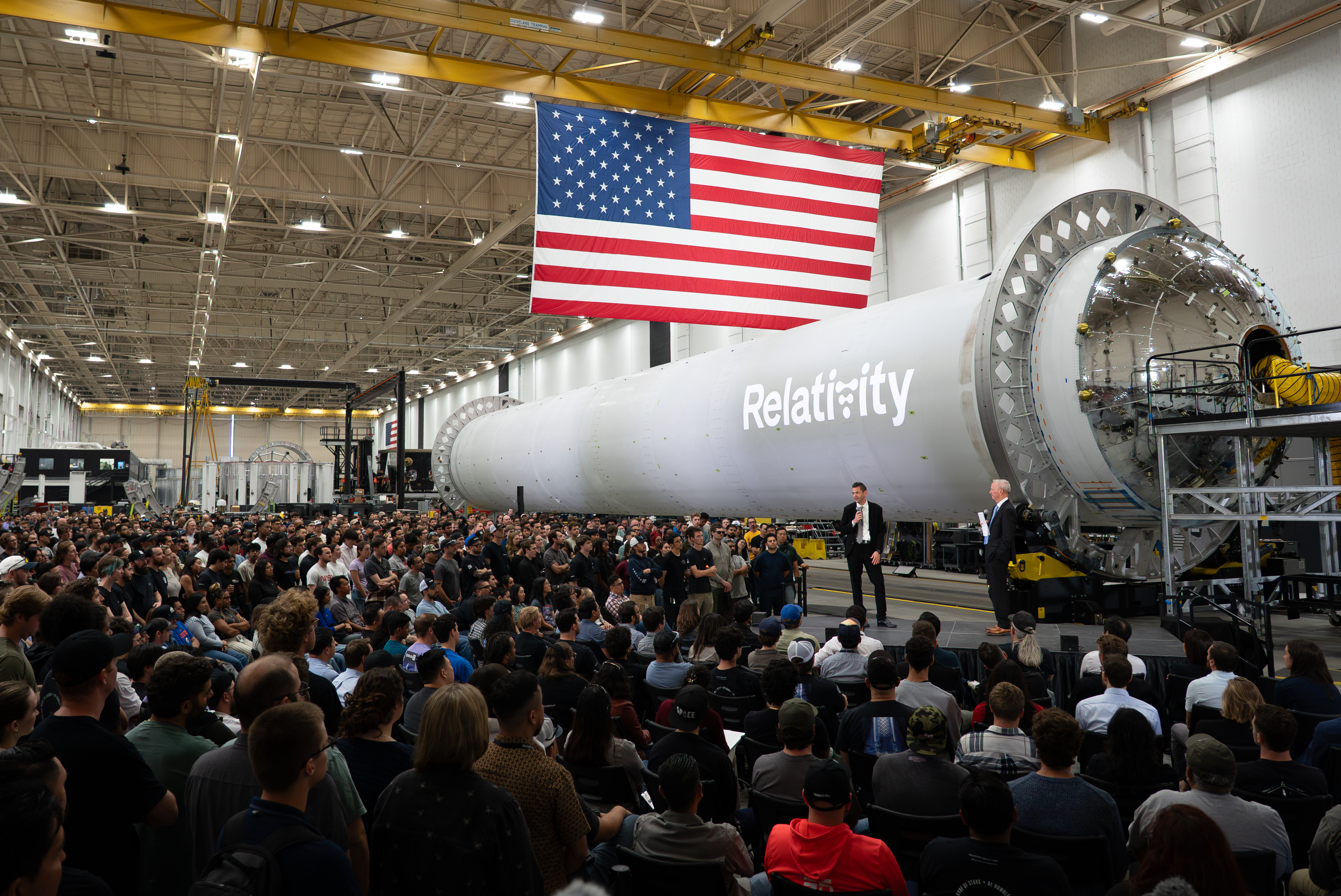
NASA announced Wednesday that it’s teaming up with Relativity Space to study Mars’s weather, because if humans are going to live there, someone should probably check if it’s windy. Under this public-private partnership, NASA will provide the Aeolus atmospheric-science instrument suite, while Relativity Space handles the spacecraft, rocket, and cruise operations. It’s like a cosmic carpool, except the destination is 140 million miles away and there’s no rest stop.
The deal is NASA’s latest attempt to accelerate discovery by leveraging commercial innovation - which is a fancy way of saying “letting private companies foot some of the bill.” By combining NASA’s scientific leadership with Relativity Space’s ride-sharing skills, the agency hopes to expand mission cadence and gather critical data about Mars’s atmosphere. Because if you’re going to land humans on the Red Planet, you might want to know if they’ll be greeted by a dust storm or a gentle breeze.
“Public-private partnerships like this are a force multiplier for science,” said NASA Administrator Jared Isaacman, probably while standing in a room full of spreadsheets. “By pairing NASA’s world-class instruments with commercial innovation and investment, we can deliver more science, more often, and reduce the time it takes to get essential data into the hands of researchers preparing for future human missions to Mars.” Translation: more data, faster, for less taxpayer money.
Aeolus - named after the Greek god of winds, because NASA still has a classics department - is scheduled to launch in 2028. It’s a suite of four instruments designed to give scientists the first integrated, daily, global view of Martian winds, temperatures, dust, and clouds. The goal is to improve models for dust, winds, temperature, and seasonal atmospheric behavior, which will help reduce risk for future crewed and uncrewed landings. Basically, it’s a weather satellite for a planet that doesn’t have cable news.
Aeolus builds on over two decades of NASA Mars missions, including MAVEN, the Mars Reconnaissance Orbiter, and Mars Odyssey. Researchers at NASA’s Ames Research Center in California’s Silicon Valley will design, build, and integrate the payload, while Relativity Space manages spacecraft development and mission operations. Because nothing says “innovation center of excellence” like subcontracting the rocket to a company that 3D-prints them.
“As NASA’s Innovation Center of Excellence, Ames is committed to delivering the technologies, capabilities, and creative partnerships that enable the agency’s boldest missions,” said Dr. Eugene Tu, center director of NASA Ames, in a statement that probably had a PowerPoint attached. “Aeolus reflects how innovative collaboration accelerates science and strengthens the foundation needed for one day landing humans on Mars.”
The payload suite includes four NASA-built instruments - because if you’re going to measure Martian weather, you might as well do it with government-grade hardware. NASA will support operations for at least one Martian year (about 687 Earth days, so plan your vacations accordingly), while Relativity Space maintains the spacecraft. NASA will also develop the data-processing pipeline to turn raw measurements into high-quality, ready-to-use data products for broad scientific use. Because raw data is like unprocessed cheese - nobody wants that.
This effort is supported under NASA’s first six-year reimbursable Space Act Agreement, which provides a stable framework for sustained collaboration. In other words, it’s a contract that says, “We’re in this together, at least until 2034.”
The Good Times
News in your inbox.
One sardonic roundup, delivered on your schedule. Free. Unsubscribe whenever your tolerance for wit runs out.
Already subscribed but we never reach your inbox? Check your spam folder and hit 'Not spam' (or 'Remove from spam') to bust us out of junk-mail purgatory. You'll be helping everyone else too.
Don't open any of our emails for a month and you'll be automatically removed from the mailing list.
Rewrite Article
Select parts to regenerate with a fresh AI pass. Translations will be updated automatically.
Generate AI Image
Creates a sardonic version of the article image using OpenAI.