NASA Asks Students to Solve Moon Wi-Fi, Because Apparently Even Space Needs Better Signal
NASA wants college students to fix lunar communications, offering cash prizes to whoever can solve the one problem every Earthling already knows too well.
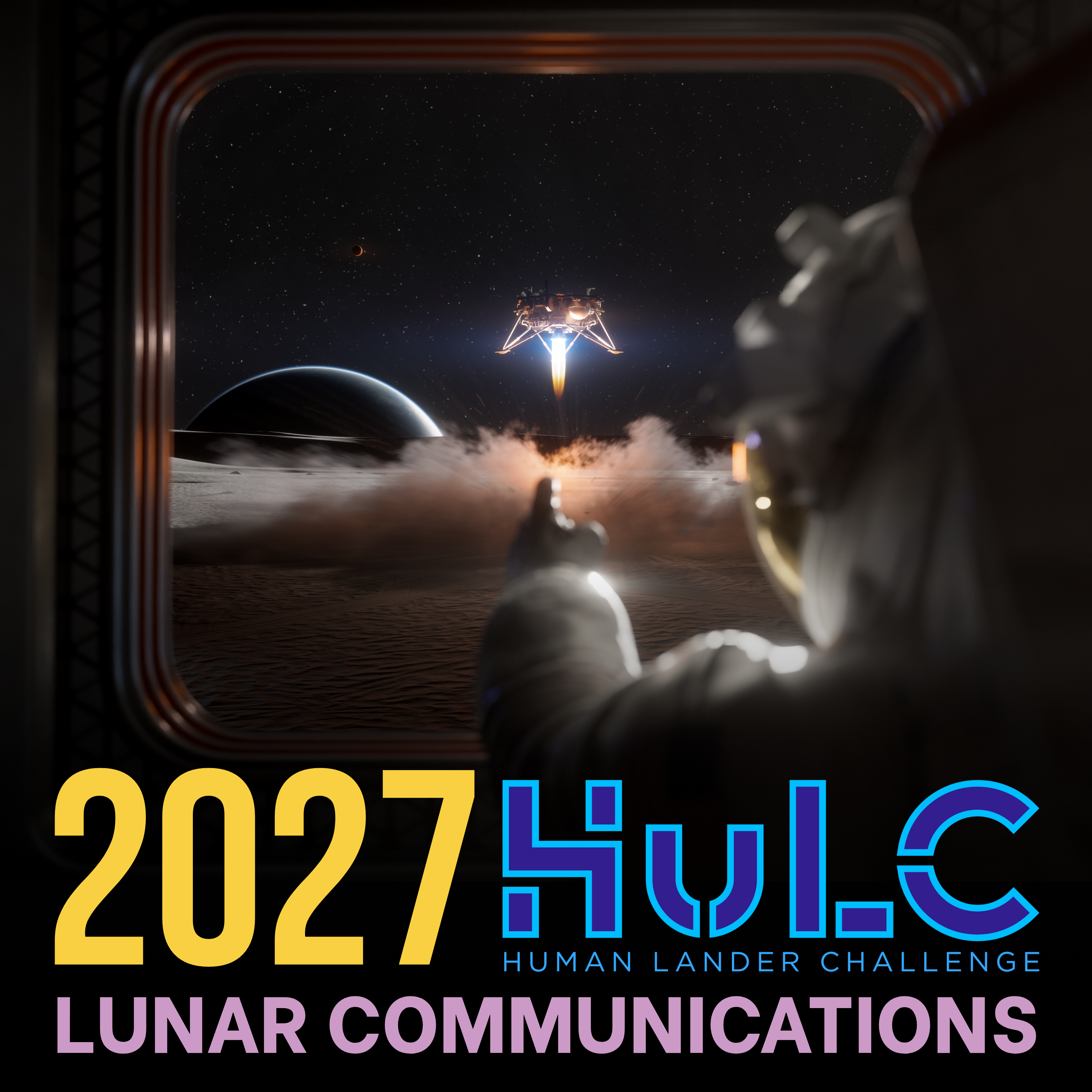
NASA has opened its 2027 Human Lander Challenge, and this time the agency wants college students to tackle a problem that anyone who's ever wandered into a dead zone can appreciate: reliable communications. Because apparently it's not enough to just get humans to the Moon anymore - they'd also like to be able to call home once they're there.
As NASA prepares for long-term human presence on the Moon through the Artemis and Moon Base programs, communications systems will be just as important as spacecraft and rockets. A resilient communications system will connect astronauts, rovers, habitats, landers, mission support teams on Earth, and more. Reliable communications are essential for ensuring safety, coordinating complex operations, and enabling timely decision-making in the harsh and remote lunar environment - which, unlike your apartment, does not come with a router that just needs to be unplugged and plugged back in.
"Reliable communications will be at the heart of our ability to explore and operate on the Moon," said Jeremy Del Greco, Human Landing System program communications integration lead at NASA's Marshall Space Flight Center in Huntsville, Alabama. "As Artemis and Moon Base missions expand our presence beyond Earth, we will need dependable connections across the lunar surface and beyond. The 2027 Human Lander Challenge gives students the opportunity to help shape the communications capabilities of tomorrow and support future lunar exploration."
The 2027 competition invites United States-based collegiate teams and their faculty advisers to develop innovative, systems-level solutions to better understand, establish, and optimize lunar communications for landers and surface operations that can be implemented within three to five years. That's right - students have three to five years to figure out what telecom companies have been promising to fix in your neighborhood for the last decade.
Teams should submit a non-binding notice of intent by Thursday, Oct. 15, if they would like to participate. Proposal packages, including a five to seven-page proposal and a two-minute video, are due March 4, 2027. NASA has identified three main categories to advance future lunar communications capabilities, though teams may propose solutions outside of the focus areas - because nothing says "innovation" like ignoring the assignment prompt entirely.
Based on proposal package evaluations in phase 1, up to 12 finalist teams will be selected to receive $9,000 and advance to phase 2 of the competition, which includes a final design review in Huntsville, Alabama, home of NASA's Marshall Space Flight Center, June 21 - 24, 2027. The top three teams from phase 2 will share a total prize of $18,000. That's roughly $6,000 per winning team, or approximately one semester's worth of textbooks, depending on the textbook.
The Human Lander Challenge is administered by the National Institute of Aerospace on behalf of the agency and supports NASA's efforts to foster innovative solutions to a variety of areas for long-duration human spaceflight plans at the Moon. The Human Lander Challenge is sponsored by the agency's Human Spaceflight Mission Directorate's Human Landing System Program Office.
Through the Artemis program, NASA will send astronauts to explore the Moon for scientific discovery, economic benefits, and to build the foundation for the first crewed missions to Mars - for the benefit of all. And presumably, for the benefit of anyone who's ever tried to have a video call with a bad connection.
The Good Times
News in your inbox.
One sardonic roundup, delivered on your schedule. Free. Unsubscribe whenever your tolerance for wit runs out.
Already subscribed but we never reach your inbox? Check your spam folder and hit 'Not spam' (or 'Remove from spam') to bust us out of junk-mail purgatory. You'll be helping everyone else too.
Don't open any of our emails for a month and you'll be automatically removed from the mailing list.
Rewrite Article
Select parts to regenerate with a fresh AI pass. Translations will be updated automatically.
Generate AI Image
Creates a sardonic version of the article image using OpenAI.