India's UPI Finally Gets a Business Model, Because Free Infrastructure Isn't a Business Model
India's UPI payments network, after years of free service, is finally getting a business model - because even the government can't run on good intentions forever.
In a move that will surprise exactly no one who has ever tried to run a payments network, India is finally considering letting merchants pay for the privilege of accepting UPI payments. The government has introduced legislation that could end the zero-merchant-discount-rate (MDR) regime, which has kept UPI free for businesses since 2020.
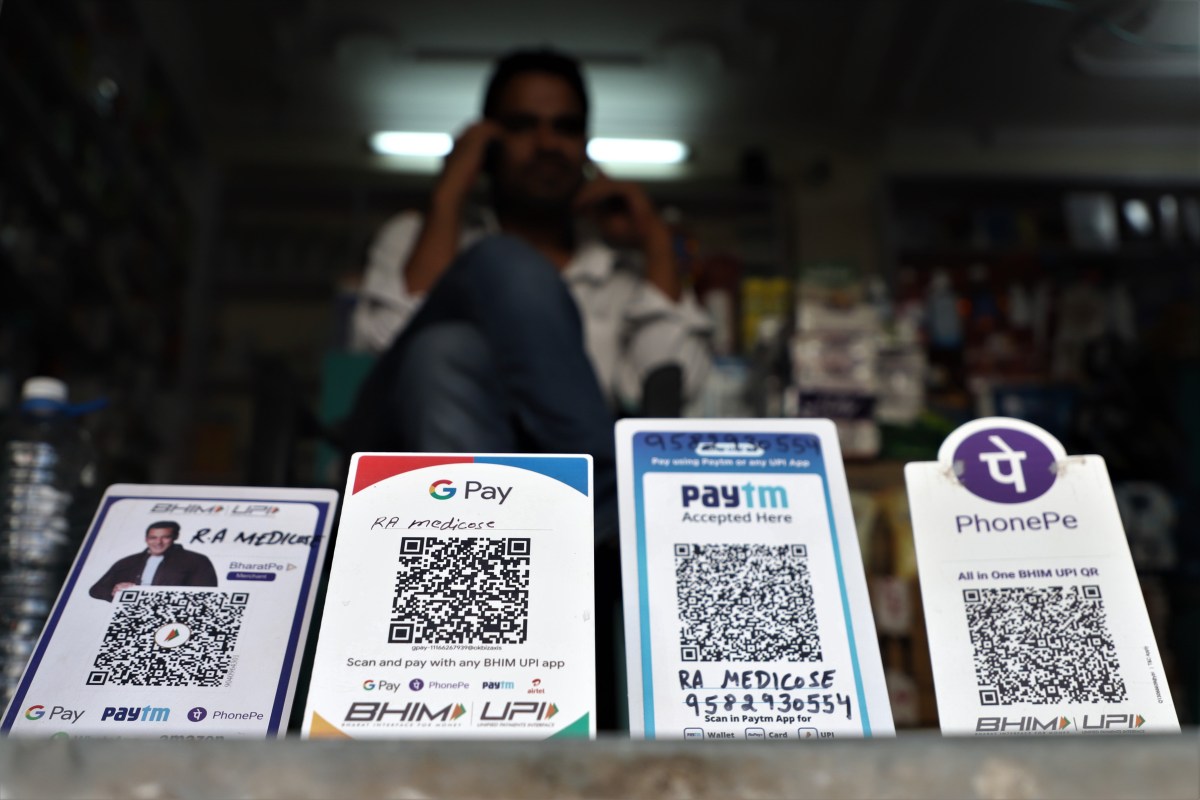
The timing is impeccable, as UPI has become as ubiquitous as chai at a train station, processing a record 23.66 billion transactions worth ₹29.88 trillion (around $313.4 billion) in July alone, per the National Payments Corporation of India. That's a lot of zero-fee transactions, and someone has to pay for the servers.
India scrapped merchant discount rates in January 2020 to accelerate adoption, relying on state incentives to keep the lights on. But banks and fintech firms have been grumbling that free isn't sustainable when transaction volumes and infrastructure costs keep climbing. Amrish Rau, chief executive of fintech firm Pine Labs, took to X to welcome the move, noting that to reach 90% penetration and take UPI global, startups, fintechs, and banks need to fund expansion through continued investments in IT, innovation, and cyber security. Because nothing says innovation like paying for it yourself.
The legislation doesn't actually impose fees or specify which transactions would be affected, leaving those details for later. But analysts are already salivating. Jefferies estimates that charging merchants on higher-value transactions could generate an additional ₹50 billion to ₹100 billion (about $525 million to $1.05 billion) in annual revenue by fiscal 2028, assuming a fee of 15 - 30 basis points. That's a lot of rupees for doing something that was previously free.
The Indian Economic Times reported last month that officials might limit charges to larger merchants, which would preserve UPI's consumer-friendly model while creating a new revenue pool. Bernstein notes that transactions above ₹2,000 (about $21) account for only about 4% of payment volumes but nearly 70% of transaction value. So the big fish are the ones with the money, as usual.
This will be watched closely by countries where UPI is now live, including Singapore, the UAE, and France. And for the companies that dominate India's digital payments market - Walmart-owned PhonePe and Alphabet's Google Pay, which together handle nearly 80% of UPI volumes - the benefits will depend on how fees are distributed among banks, payment apps, and other ecosystem players. Because nothing is ever simple when money is involved.
The Good Times
News in your inbox.
One sardonic roundup, delivered on your schedule. Free. Unsubscribe whenever your tolerance for wit runs out.
Already subscribed but we never reach your inbox? Check your spam folder and hit 'Not spam' (or 'Remove from spam') to bust us out of junk-mail purgatory. You'll be helping everyone else too.
Don't open any of our emails for a month and you'll be automatically removed from the mailing list.
Rewrite Article
Select parts to regenerate with a fresh AI pass. Translations will be updated automatically.
Generate AI Image
Creates a sardonic version of the article image using OpenAI.