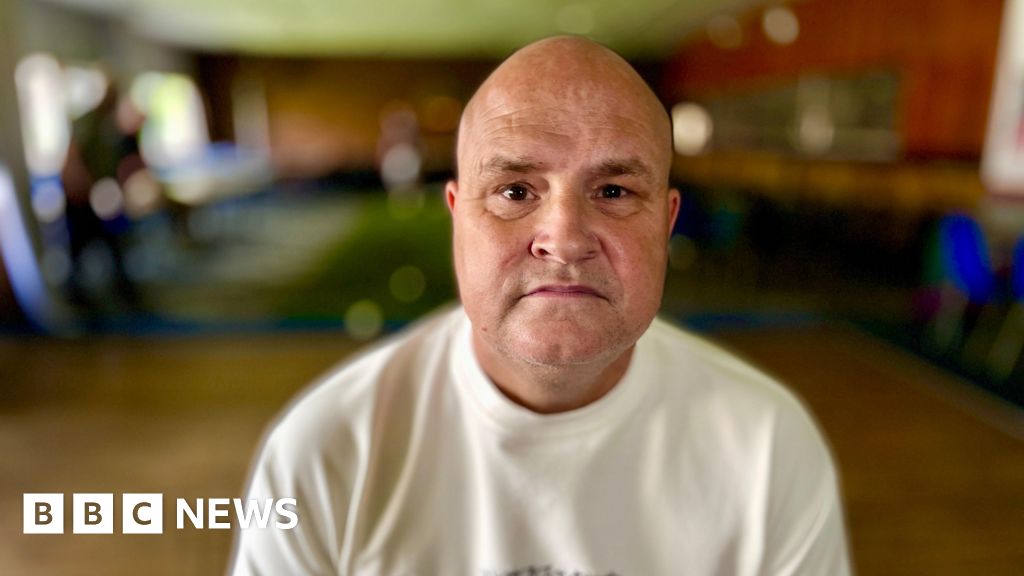
Shane Newton, a 56-year-old father from Huntingdon, learned the hard way that putting off a doctor's visit can have dire consequences. When he finally saw his GP, his prostate cancer had already spread to his bones - a stage that's much harder to treat and now incurable. He blames his delay on long factory shifts and a classic case of "manning up." "It's just a man thing," he says. "You just don't like to admit you're not feeling good." His PSA test score? A staggering 78 - when anything over 4 is considered a red flag for his age.
Newton's story is depressingly common. In England, one in five men dies before age 65, compared with roughly one in eight women. Women outlive men by almost four years on average. Cancer tops the list of male killers, with heart disease close behind - much of it tied to blood pressure and lifestyle. The government's Men's Health Strategy, launched in November, is being hailed as long overdue, which is a polite way of saying it should have happened decades ago.
At the Onyx Tribe CrossFit gym in Huntingdon, some men are trying to be better, but old habits die hard. Louis Pearce, 24, admits he hasn't seen a GP in four or five years, preferring to WebMD his symptoms and hope they go away. Lukas Koziel, 42, has finally booked an appointment after a two-year hiatus, though he's not entirely sure why he's been avoiding it. GPs like Dr. Neil Modha of Thistlemoor Medical Centre in Peterborough are adapting by making every interaction count - turning a visit for back pain into a chance to check blood pressure or discuss mental health. He also advocates for Saturday hours, because apparently men's health issues take weekends off too.
Cambridgeshire is trying to meet men where they are - literally - with mobile health check kiosks in supermarkets, leisure centres, and libraries. These machines measure BMI, blood pressure, heart health, and body fat in about ten minutes. Michael Hadley, 49, gave one a spin during his lunch break and got a wake-up call: slightly raised blood pressure and high body fat. Councillor Luis Navarro reports that usage is now almost evenly split between men and women, which he calls "positive." The machines even link to GP records for follow-ups, because nothing says "we care" like a vending machine for your vitals.
But physical health is only half the battle. At the Montagu Working Men's Club - once a bastion of booze and fags - a cancer support group now meets to talk, play darts, and remind each other they're not alone. Jim Smith, a pancreatic cancer survivor, says the group saved his sanity. "You could be surrounded by family, but you feel very alone," he says. "When you're with people like these guys, they get it." The Department of Health and Social Care is investing up to £3.6m in suicide prevention for men and boys and partnering with Premier League clubs to spread the word. Because if there's one thing men listen to, it's football.
The Good Times
News in your inbox.
One sardonic roundup, delivered on your schedule. Free. Unsubscribe whenever your tolerance for wit runs out.
Already subscribed but we never reach your inbox? Check your spam folder and hit 'Not spam' (or 'Remove from spam') to bust us out of junk-mail purgatory. You'll be helping everyone else too.
Don't open any of our emails for a month and you'll be automatically removed from the mailing list.
Rewrite Article
Select parts to regenerate with a fresh AI pass. Translations will be updated automatically.
Generate AI Image
Creates a sardonic version of the article image using OpenAI.