
Darya Minovi was mapping pollution from medical sterilization plants across the country when communities near these facilities started asking a simple, reasonable question: "How much is this increasing our cancer risk?" She turned to the Environmental Protection Agency (EPA) for answers. The resulting maps, published in 2023 by the Union of Concerned Scientists, revealed that more than 14 million people live within a 5-mile radius of ethylene oxide-emitting facilities. The map highlighted 23 sterilization facilities that the EPA itself had found emit ethylene oxide at levels that "definitively contribute to elevated cancer risk." The project raised awareness and helped push for tighter emissions limits.
But now, the cancer risk data that made Minovi's analysis possible has quietly gone offline. After more than two decades of sharing this information, the EPA has omitted cancer risk estimates from its latest update to national air pollution data. The agency still releases raw pollution figures - because numbers without context are just numbers - but it's no longer providing the additional cancer risk these emissions cause. It also hasn't updated its searchable U.S. map of cancer risk from air pollution.
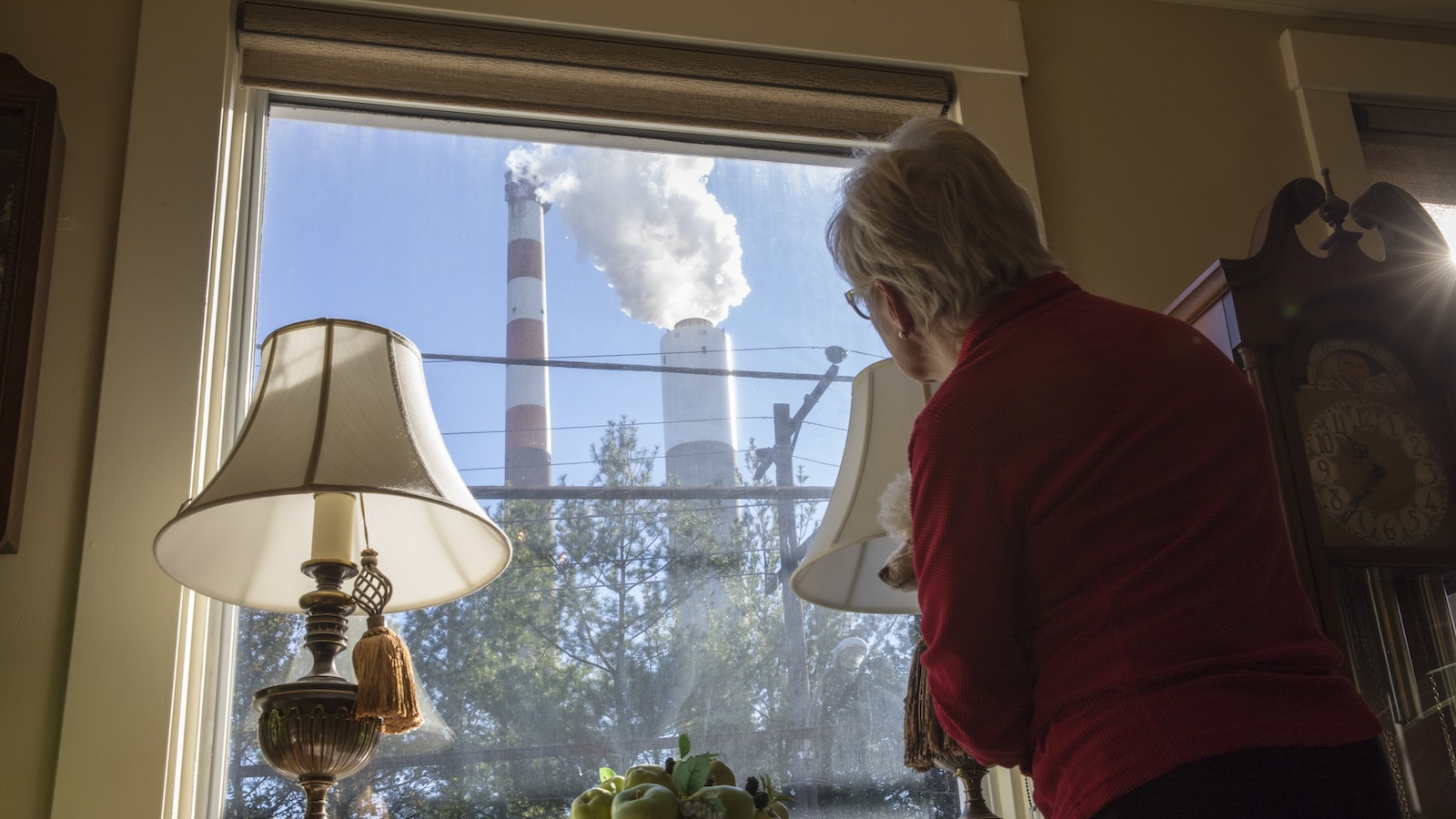
These risk assessments are routinely used by communities to understand pollution in their neighborhoods, and by journalists and nonprofits to hold polluters accountable. Withholding this information shifts the burden of interpreting pollution data - a technically demanding task requiring specialized experience and understanding of EPA protocols - onto the public, Minovi said. "At the end of the day, the people who are living in communities with concentrated sources of pollution are frankly the ones to lose," she said. "They end up caught in a bureaucratic and political tug of war, and they're not being protected as they should be."
The Trump administration has made it significantly more difficult to access environmental data. So far, it has modified or removed nearly 2,000 webpages and datasets on science, climate, and environmental topics. Last year, the EPA discontinued a tool that allowed the public to search its inventory of facilities handling large volumes of hazardous substances by ZIP code. It also shut down EJScreen, its flagship environmental justice screening tool, which mapped industrial pollution hot spots alongside demographic data. And some webpages about pollutants like ethylene oxide have been modified to remove cancer risk information and emphasize industrial usefulness - because what's a little cancer risk between friends?
Inyang Uwak, research and policy director for Air Alliance Houston, said the cuts prioritize industries at the expense of public health. "It's unfortunate because this data is highly useful to organizations such as ours that use it," she said, adding that scientists and policymakers also need the data to make informed decisions. "It's a disservice to public health in general."
The EPA has been publishing cancer risk data since 2002 as part of the Air Toxics Screening Assessment, which details concentrations of dozens of toxic pollutants down to the census block level. The agency began releasing the data annually in 2022, but it's typically several years out of date due to compilation time. This year, had updates arrived on schedule, the agency would have released 2022 data. Instead, the most recent update was published a year late and represents 2021 emissions data - and only after Tai Lung, a senior advisor for federal data policy at the Federation of American Scientists, reached out to the agency. Lung previously led EJScreen at the EPA for over a decade before the administration suspended him alongside 170 colleagues.
Carolyn Holran, an EPA spokesperson, told Grist that the agency "will continue posting the annual nationwide air toxics emissions and concentrations data when it becomes available," but didn't address the missing cancer risk data or answer questions about why it wasn't released and whether the agency still calculates it internally. "EPA is committed to fulfilling our core mission of protecting human health and the environment and ensuring clean air for all Americans, while following gold standard science," she said. Lung noted that the decision will make it harder for the public to understand pollution's health effects. "So now we're just sharing this raw data, which really means nothing to anybody," he said.
The United States has one of the highest cancer incidence rates in the world: nearly 40 percent of Americans will receive a cancer diagnosis at some point, and more than 2 million new cases are diagnosed each year. Living near industrial sources of pollutants like benzene, formaldehyde, and ethylene oxide can increase cancer risk. Louisiana's "Cancer Alley," neighborhoods near the Houston Ship Channel, and Chicago's southeast side are all cancer hotspots.
Cancer risk assessments are at the core of EPA's regulatory work. The agency sets "acceptable thresholds" for exposure, generally allowing no more than one additional cancer case per 10,000 people exposed over a lifetime (ideally one in a million). When a new facility applies for a permit, the agency assesses whether it will push cancer risk above this threshold. Denice Ross, director of the Data Policy Institute at the Federation of American Scientists and former U.S. chief data scientist, sees two patterns in the administration's regulatory changes: deliberate removal of data that conflicts with priorities or casts policies in an unfavorable light, and data lost to sweeping funding and staffing cuts. There's now more red tape and political approval needed for routine tasks, she said.
Some of these cuts contradict President Trump's own policies. In 2019, he signed the OPEN Government Data Act, requiring federal data be more accessible. Federal law also requires agencies to provide adequate notice when substantially changing or ending significant data sources. But many changes are "just sort of quietly happening behind the scenes," Ross said. "And if you don't know where to look, you won't find it."
Some organizations have begun preserving lost EPA tools like EJScreen by recreating them or releasing unofficial copies. But these versions still rely on federal data updates and lack the authority of government assessments. Many communities lack the expertise to interpret raw EPA data, said Elizabeth Bechard, public health manager at Moms Clean Air Force. Her group uses EPA data to equip families fighting polluting industries. Ending the cancer risk assessment will make it harder for people to get involved. "The public deserves to have that information about that risk so that they can be equipped to push back," she said. "We're trying to protect people. It's not just a math equation."