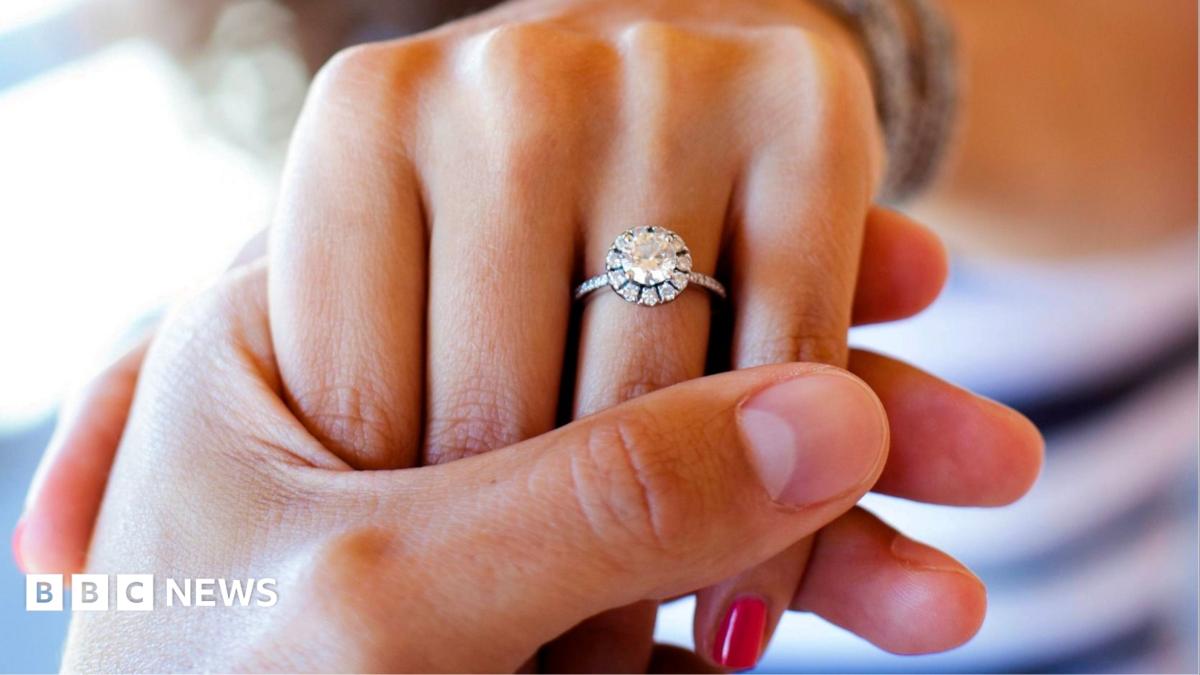
De Beers Puts Flagship Diamond Mine on Hiatus as Love and Lab-Grown Gems Steal the Sparkle
De Beers hits pause on its flagship South African mine for two years, as lab-grown diamonds and changing tastes prove that 'forever' might be shorter than advertised.
Mining giant De Beers is suspending production at South Africa's biggest diamond mine for two years, because apparently fewer people are buying into the idea that eternal love requires a rock from the ground. Prices across the industry have fallen as consumer habits shift, especially in China, and competition from much cheaper lab-grown diamonds - which are basically the same thing but without the whole 'centuries of geological pressure' bit - has stiffened.
Announcing the closure of the Venetia mine, De Beers said it needs to cut costs and streamline operations given the depressed state of the world diamond market. The mine, located in the far north of South Africa, accounts for more than 40% of the country's diamond production and employs over 4,000 people. Workers' unions have previously warned against job losses in South Africa's mining sector, which employs almost half a million people and accounts for more than 4% of national GDP.
De Beers is majority-owned by Anglo American, which is reportedly trying to sell it and shift focus to the growing copper market - fueled by the recent AI boom, because apparently even robots need shiny things. At Venetia, De Beers has pledged to use the two-year downtime to make infrastructure more 'efficient' with increased 'capacity,' ready to reopen once market conditions improve.
De Beers famously launched the advertising tagline 'A Diamond is Forever' in 1947, cementing the idea that a diamond ring was essential for marriage - and later inspiring a James Bond novel and a Shirley Bassey song. But consumer habits have changed, and times are tough: the International Diamond Consultants' rough diamond price index has almost halved since 2022. Lab-grown diamonds have gained popularity as consumers voice ethical concerns about miners' pay, working conditions, and environmental damage. Yet De Beers has also cashed in on that trend, producing its own lab-grown versions at a fraction of the natural price.
De Beers is not the first large producer to scale down, but it occupies a particular place in the public imagination due to its long history dating back to 1871. Its founder was Cecil Rhodes, the English colonist whose forces dispossessed indigenous Africans of their land and denied them basic rights. He became a millionaire and justified racial segregation, saying 'the natives are children... they are just emerging from barbarism.' His legacy remains a lightning rod for discussions about decolonizing institutions that bear his name, including universities and scholarships - like Oxford's Rhodes Scholarship, whose past recipients include ex-US President Bill Clinton and former Australian Prime Minister Malcolm Turnbull.
The Good Times
News in your inbox.
One sardonic roundup, delivered on your schedule. Free. Unsubscribe whenever your tolerance for wit runs out.
Already subscribed but we never reach your inbox? Check your spam folder and hit 'Not spam' (or 'Remove from spam') to bust us out of junk-mail purgatory. You'll be helping everyone else too.
Don't open any of our emails for a month and you'll be automatically removed from the mailing list.
Rewrite Article
Select parts to regenerate with a fresh AI pass. Translations will be updated automatically.
Generate AI Image
Creates a sardonic version of the article image using OpenAI.