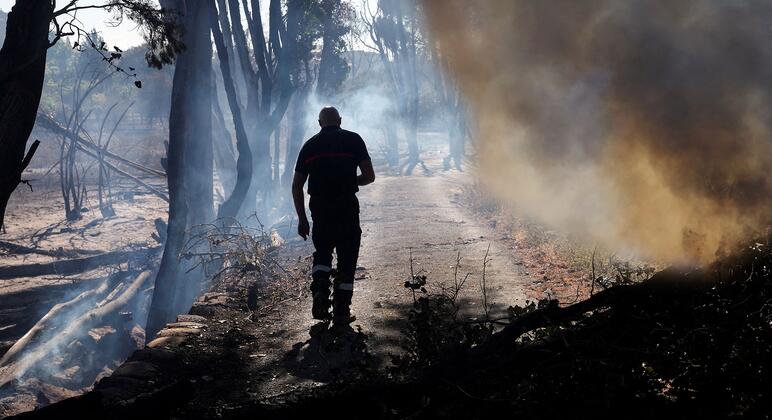
Wildfires are great at making dramatic headlines and ruining property, but the World Health Organization (WHO) wants you to know they're also fantastic at ruining your lungs - even if you're miles away from the actual flames. As fires rage across Europe and North America this summer, their smoke is taking a leisurely tour across countries and continents, treating millions to a toxic air show.
According to WHO, climate change, heatwaves, drought, and our brilliant land management choices are making wildfires more frequent and intense. It's almost like we're trying to give ourselves more smoke exposure. While humans start most fires, climate change is the enabler, creating hotter, drier conditions that let fires ignite and spread like gossip. And because smoke travels far, your air quality can be garbage for days or weeks even if you can't see the flames.
Now, what's in this smoke? A delightful cocktail of gases and fine particles from burning vegetation, buildings, and other materials. If fires hit urban or industrial areas, you get extra toxic pollutants. The star of the show is PM2.5 - fine particulate matter that can dive deep into your lungs and even hitch a ride into your bloodstream. Symptoms include coughing, eye and throat irritation, headaches, wheezing, and shortness of breath. Plus, it makes asthma and other chronic conditions worse. Fun times.
The most vulnerable include infants, kids with developing lungs, older folks, pregnant women, people with disabilities, and those living in poorly insulated homes. Emergency responders and outdoor workers also get a front-row seat to the health hazards. And let's not forget the psychological toll: stress, anxiety, and trauma during and after the fires. Because why not add mental anguish to physical misery?
WHO is telling people to pay attention to air quality alerts and follow official advice, even if the fire isn't in your backyard. Dorota Jarosinska from WHO's European Centre for Environment, Climate Change and Health puts it bluntly: "If you can smell smoke, it's present in the air you're breathing." She advises reducing exposure, especially for at-risk groups. Even if you can't smell it, you might feel it, and fires can change direction faster than a politician's promise, so stay alert.
During heavy smoke, stay indoors with windows and doors closed - unless you're told to evacuate. If you must go out, a well-fitting FFP2 or N95 mask can help. If you have heart or lung conditions, are pregnant, or have trouble breathing, seek medical advice pronto.
WHO emphasizes that protecting communities isn't just about fighting fires. We need early warning systems, timely public health advice, access to medical care, and clean-air shelters for the vulnerable. The agency is working with countries in the European Region to prepare for longer, more frequent, and more severe fire seasons. Because apparently, this is our new normal.
The Good Times
News in your inbox.
One sardonic roundup, delivered on your schedule. Free. Unsubscribe whenever your tolerance for wit runs out.
Already subscribed but we never reach your inbox? Check your spam folder and hit 'Not spam' (or 'Remove from spam') to bust us out of junk-mail purgatory. You'll be helping everyone else too.
Don't open any of our emails for a month and you'll be automatically removed from the mailing list.
Rewrite Article
Select parts to regenerate with a fresh AI pass. Translations will be updated automatically.
Generate AI Image
Creates a sardonic version of the article image using OpenAI.