SpaceX's Starship Flight 13: Same Rocket, But This Time With Actual Starlink Satellites and a Grudge
SpaceX is launching Starship for the 13th time, this time with real Starlink satellites, a grumpy booster, and a heat shield that still can't make up its mind about being reusable.
SpaceX is gearing up for the 13th test flight of its Starship spacecraft, and this time they're bringing actual Starlink satellites instead of the fake ones they used last time. The launch window opens at 5:45 pm CDT (22:45 UTC) on Thursday, which is conveniently just in time to ruin your dinner plans if you're in Texas.
The big news: Starship will carry 20 real Starlink Version 3 satellites into space, not just simulators that looked like the real thing. These satellites will attempt to establish laser communication links with other spacecraft in low-Earth orbit, which is basically like a cosmic handshake. And because SpaceX loves a good multi-tasking mission, some of these satellites will also be filming Starship's heat shield during reentry. That's right - your next broadband upgrade might come from footage of a rocket burning up.
The flight plan is mostly a rerun of the May mission: a suborbital arc from Texas to the Indian Ocean, with a splashdown northwest of Australia. The Starlink satellites will deploy their solar arrays, try to call home to ground stations in South Africa, and then get incinerated during reentry. It's a short but dramatic life - like a mayfly with a government contract.
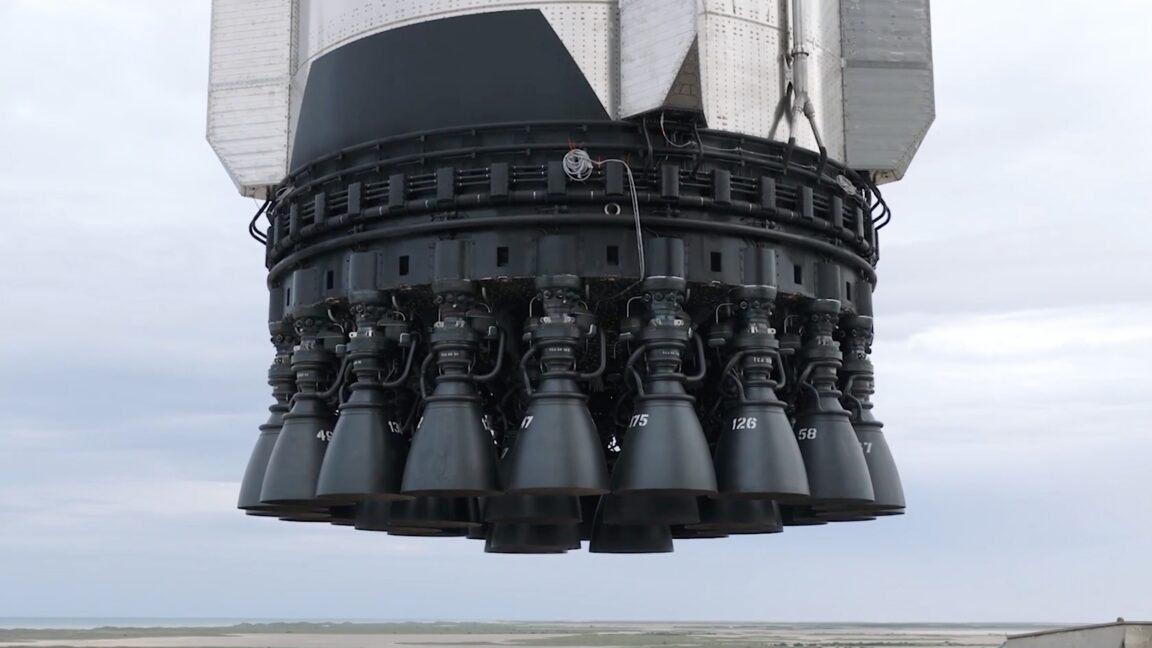
SpaceX still has unfinished business from Flight 12. The Raptor engine failed to relight in space, and the Super Heavy booster got a bit dizzy after stage separation, spinning 90 degrees off course. Five of its 33 engines also had a collective meltdown during the boostback burn. But SpaceX says they've made “hardware and operational modifications,” which is engineering-speak for “we crossed our fingers and changed a few things.”
The heat shield remains the program's biggest headache. Elon Musk admitted on a podcast that reusability is the real challenge, saying, “No one has ever made a reusable orbital heat shield.” This flight will test modified tiles and load-sensing attachments, because apparently counting to 40,000 tiles is too much work.
If all goes well, this could be the last suborbital test before SpaceX attempts an orbital launch. That would unlock the ability to deploy up to 60 Starlink V3 satellites per flight, adding 60 Tbps to the network - enough bandwidth to stream cat videos for every living soul. But first, they need to prove that the Raptor engine can restart in space without stranding the world's biggest stainless steel tube in orbit. No pressure.
The Good Times
News in your inbox.
One sardonic roundup, delivered on your schedule. Free. Unsubscribe whenever your tolerance for wit runs out.
Already subscribed but we never reach your inbox? Check your spam folder and hit 'Not spam' (or 'Remove from spam') to bust us out of junk-mail purgatory. You'll be helping everyone else too.
Don't open any of our emails for a month and you'll be automatically removed from the mailing list.
Rewrite Article
Select parts to regenerate with a fresh AI pass. Translations will be updated automatically.
Generate AI Image
Creates a sardonic version of the article image using OpenAI.