Scientists Finally Figure Out How Alzheimer’s Kills Brain Cells - Turns Out It’s a Brand-New Kind of Cellular Demise
Scientists discover karyoptosis, a new way brain cells die in Alzheimer’s and FTD, involving nucleus shriveling - and they might have found a molecular off switch.
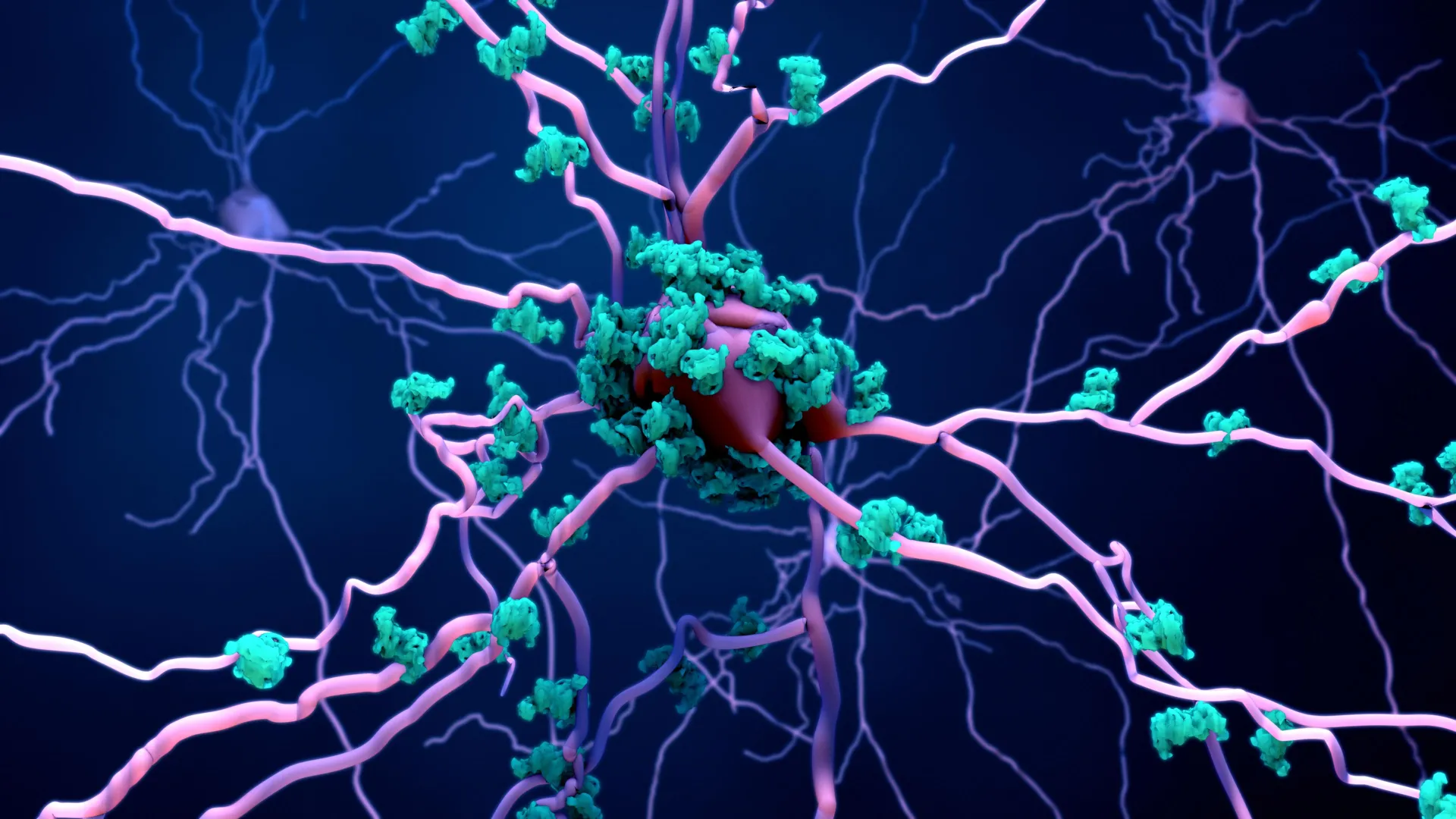
Researchers at King’s College London, in collaboration with the UK Dementia Research Institute and with a financial pat on the back from Alzheimer’s Research UK, have identified a previously unknown process that explains how brain cells die in Alzheimer’s disease and frontotemporal dementia (FTD). They’ve named it karyoptosis, which sounds like a fancy yoga pose but is actually a series of chemical reactions that cause the cell’s nucleus to shrivel up and fall apart like a bad soufflé.
For years, scientists knew that toxic proteins pile up inside neurons in diseases like Alzheimer’s, FTD, and ALS, but they couldn’t quite figure out why that led to massive neuron loss. Apoptosis and other known cell death mechanisms didn’t fully account for the carnage. Enter karyoptosis, the missing link that finally connects protein clutter to brain cell doom.
The findings, published in Nature Communications, come from analyzing 3,000 brain cells from 28 people with either FTD or end-stage Alzheimer’s. Using computational algorithms (fancy math), the team spotted signs of karyoptosis in 35% of cells from the frontal cortex of Alzheimer’s patients, compared to just 15% in healthy older adults. That’s more than double the death rate - not exactly a winning lottery ticket.
The researchers also uncovered a key molecular pathway involving kinases, which act like molecular light switches. In lab experiments with rat neurons, blocking the switch - specifically the interaction between p38 MAP kinase and the protein LaminB1 - reduced markers of karyoptosis. Dr. Manolis Fanto, Reader in Functional Genomics at King’s, said this could “slow down the process of cell death, buying time for more pinpointed therapies.” In other words, we might be able to hit the pause button on brain cell loss while we figure out the rest.
Dr. Rebecca Casterton, Senior Researcher at the UK Dementia Research Institute at King’s and first author, called it a “road map of how karyoptosis works.” Dr. Sara Rodrigues of Alzheimer’s Research UK chimed in that identifying karyoptosis is “a crucial step towards finding targets for treatments that could stop or slow cell loss.” So, after a decade of detective work, scientists have a new lead. Now they just need to figure out how to selectively target that p38-LaminB1 interaction in humans - without causing a cascade of other problems. No pressure.
The Good Times
News in your inbox.
One sardonic roundup, delivered on your schedule. Free. Unsubscribe whenever your tolerance for wit runs out.
Already subscribed but we never reach your inbox? Check your spam folder and hit 'Not spam' (or 'Remove from spam') to bust us out of junk-mail purgatory. You'll be helping everyone else too.
Don't open any of our emails for a month and you'll be automatically removed from the mailing list.
Rewrite Article
Select parts to regenerate with a fresh AI pass. Translations will be updated automatically.
Generate AI Image
Creates a sardonic version of the article image using OpenAI.