
NASA is now accepting applications for its next class of astronauts, because apparently the current 32 active astronauts aren't enough to handle the agency's ambitious plans to return to the Moon, build a Moon Base, and eventually send crews to Mars. The deadline for U.S. citizens to submit completed applications is 11:59 p.m. EST Thursday, Dec. 3, which is either plenty of time or not nearly enough, depending on how quickly you can dig up your master's degree diploma.
The selected candidates will train to operate on the lunar surface, live and work beyond Earth, and take on missions that push the boundaries of human exploration farther than ever before - because someone has to volunteer to be the first person to slip on lunar regolith and sue the government.
"This is an extraordinary time to join NASA's astronaut corps," said NASA Administrator Jared Isaacman. "The people we select could walk on the Moon, live and work at the Moon Base, and help pioneer the systems and operations that will ultimately carry crews to Mars. Those missions will demand technical excellence, sound judgment, teamwork, and courage. NASA's astronaut corps has always called on remarkable Americans willing to take on extraordinary challenges in service to the nation. If you are ready to join that tradition, come help write the next chapter of humanity's greatest adventure." No pressure, though - just the fate of interplanetary exploration resting on your ability to not panic in a vacuum.
NASA expects to make its final selection in late 2027, at which point the chosen few will begin training as the next class of astronaut candidates. That gives you roughly two years to perfect your résumé and practice saying "yes, absolutely, I'd love to live in a pressurized can on the Moon" with a straight face.
"The window is open. The mission is waiting. And the only thing missing from the greatest adventure humanity has ever embarked upon is you," said NASA Deputy Administrator Matt Anderson, apparently auditioning for a recruitment poster.
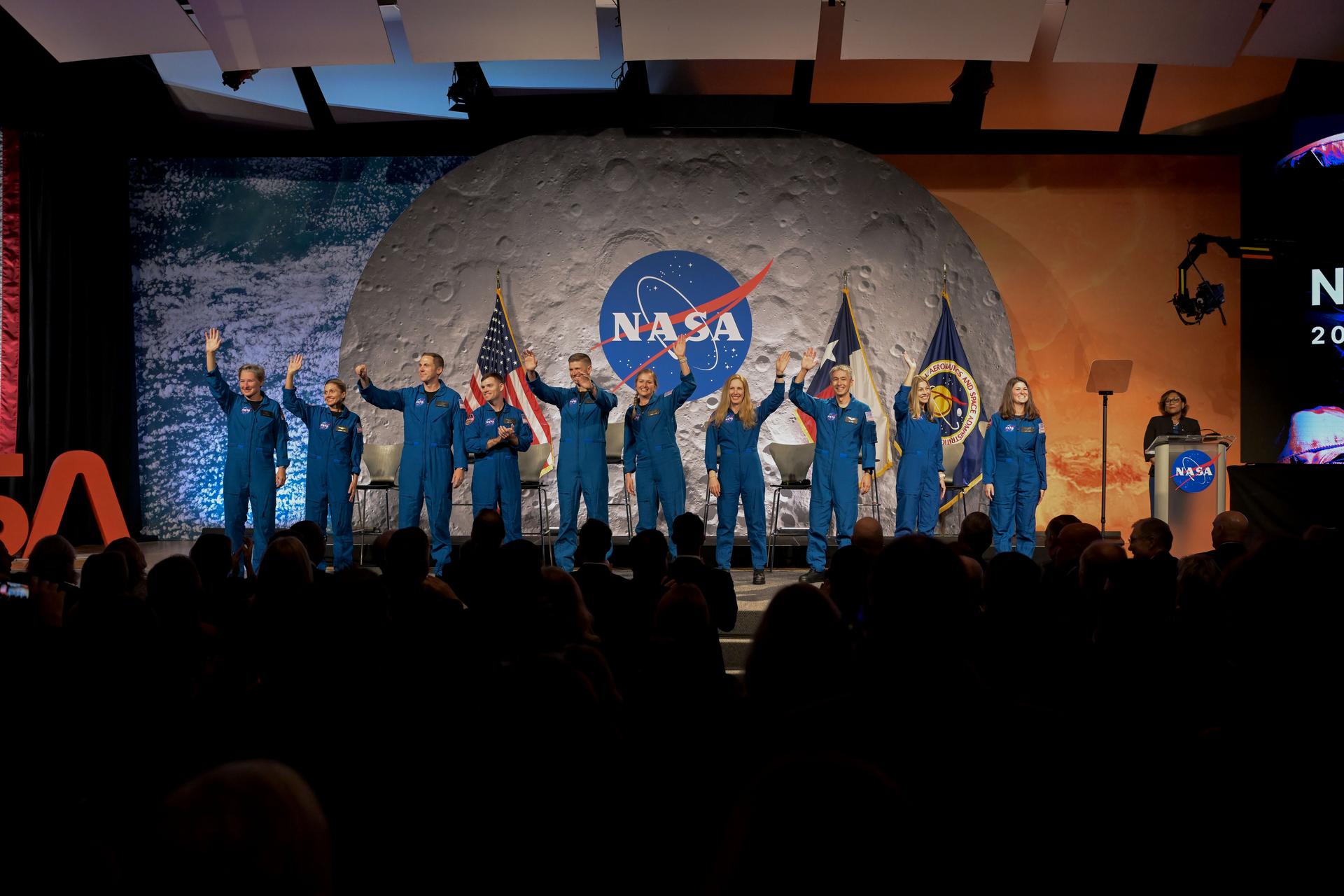
The agency last opened applications in 2024, drawing more than 8,000 hopefuls. From that pool, 10 astronaut candidates were selected in 2025 and are currently completing nearly two years of training - which presumably includes learning how to use a space toilet without incident.
"For those who apply, becoming a NASA astronaut is more than a career opportunity," said Scott Tingle, chief astronaut and chair of the Astronaut Selection Board at NASA's Johnson Space Center in Houston. "It is a chance to join a legacy of explorers who have pushed the boundaries of discovery and play a role in the missions that will shape humanity's future in space. The next generation of astronaut candidates could help write history while inspiring future scientists, engineers, and explorers." So, you know, no pressure to be inspiring.
Since the 1960s, NASA has selected 370 people to train as astronaut candidates for its increasingly challenging missions. The agency currently has 32 active astronauts, and the new selects will join their ranks to study spacewalking, lunar geology, operations of high-performance aircraft, and more - because nothing says "fun" like learning geology while floating in a tin can.
The basic requirements to apply include U.S. citizenship and a master's degree in a STEM field - engineering, biological science, physical science, or computer science - from an accredited institution. The master's requirement can also be met by certain alternatives (which NASA lists but we won't bore you with here - check the website). Candidates must also have at least three years of related professional experience after completing their qualifying degree. For pilots, that experience may be met through flight experience; for medical doctors, residency training may count and must be completed by July 2027. And yes, you'll need to pass NASA's long-duration astronaut flight physical and demonstrate strong leadership, teamwork, and communication skills - so maybe don't mention your fear of small spaces during the interview.
Since its inception, NASA's astronaut corps has represented the very best of American ingenuity, skill, and determination, carrying out missions that achieve the near impossible and expanding humanity's understanding of Earth, the Moon, and beyond. As part of what NASA calls a Golden Age of innovation and exploration, the agency will send astronauts on increasingly difficult missions near the lunar South Pole to explore more of the Moon than ever before. In addition to providing economic benefits and advancing scientific discovery through its Artemis missions, NASA will establish an enduring human presence on the lunar surface and build on the agency's foundation for the first crewed mission to Mars.
So if you've ever dreamed of walking on the Moon, living in a Moon Base, or being the person who has to fix the toilet on a Mars transit vehicle, this is your moment. Just make sure your application is in by Dec. 3 - and maybe practice your "I'm not claustrophobic" smile.