Inflation Holds Steady at 2.8%, Ruining Economists' Predictions and Possibly Their Weekend Plans
UK inflation defies expectations by staying flat at 2.8%, thanks to slower food price rises and a US-Iran peace deal, but experts warn the calm won't last.
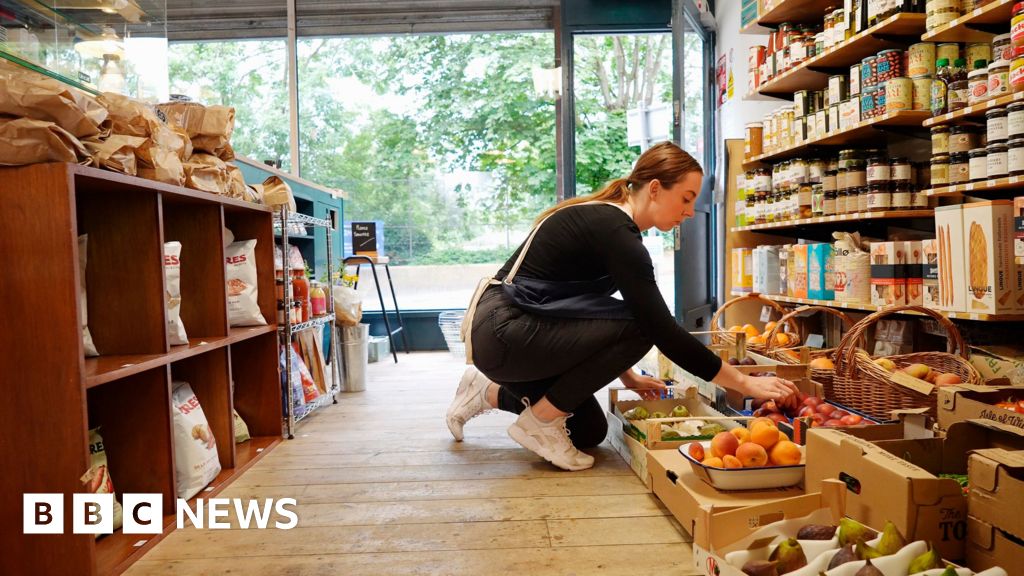
Inflation in the UK remained stubbornly at 2.8% in the year to May, confounding experts who had penciled in a rise to 3% and were already drafting their 'we told you so' memos. The Office for National Statistics (ONS) reported that transport costs led the charge upward, while the pace of food price rises slowed to a 17-month low, offering a brief respite for shoppers who have been eyeing a block of cheese like it's a luxury sedan.
Transport inflation hit 6.8%, the highest annual rate since December 2022, driven by airfares, vehicle taxes, and petrol prices. Motor fuels were 24.6% higher than the same time last year - a fact that will surprise exactly no one who has recently visited a petrol station. But Grant Fitzner, the ONS's chief economist, noted this was "offset by lower food prices, with decreases in inflation seen across a range of meat, dairy and vegetable items compared to last month." Food inflation fell from 3% in April to 2.2% in May, the slowest rate since December 2024. Beef and veal, for instance, rose 9.4% in the year to May, down from 13.2% in April and 18.8% in March - still painful if you're a fan of burgers, but at least the bleeding has slowed.
The unexpected steadiness was partly attributed to a US-Iran peace deal, which analysts say could keep future price hikes smaller than feared. However, the British Retail Consortium (BRC) warned that easing food inflation merely reflects the highly competitive supermarket sector, and that food inflation is likely to rise again in the coming months. The Food and Drink Federation chimed in, noting that "prices still don't reflect the inflation caused by the closure of the Strait of Hormuz." Chief executive Karen Betts explained that increased costs take several months to filter through to the tills, thanks to the widespread use of long-term contracts for energy and ingredients. So consider this the calm before the storm - or at least the calm before the slightly less calm.
Domestic heating oil, which lacks a price cap, fell after rising sharply due to the war. But Charlotte O'Leary, associate economist at the National Institute of Economic and Social Research, warned of a "sizeable" upward impact when Ofgem sets its energy price cap in July. She also cautioned that "should the [US-Iran] deal collapse, oil may rebound and reinstate upward pressure on inflation." So basically, the inflation outlook is about as stable as a Jenga tower at a toddler's birthday party.
Chancellor Rachel Reeves claimed the government is "protecting families and businesses from rising costs, with cuts in energy bills and freezes in fuel duty and rail fares." Shadow Chancellor Mel Stride countered that "prices are still rising too fast" and blamed Labour for the UK entering the latest energy crisis with the highest inflation in the G7. Meanwhile, the Bank of England is expected to hold interest rates at 3.75% on Thursday, with economists predicting inflation will peak at between 3.5% and 4% in the second half of 2026 - assuming nothing else goes horribly wrong.
The Good Times
News in your inbox.
One sardonic roundup, delivered on your schedule. Free. Unsubscribe whenever your tolerance for wit runs out.
Already subscribed but we never reach your inbox? Check your spam folder and hit 'Not spam' (or 'Remove from spam') to bust us out of junk-mail purgatory. You'll be helping everyone else too.
Don't open any of our emails for a month and you'll be automatically removed from the mailing list.
Rewrite Article
Select parts to regenerate with a fresh AI pass. Translations will be updated automatically.
Generate AI Image
Creates a sardonic version of the article image using OpenAI.