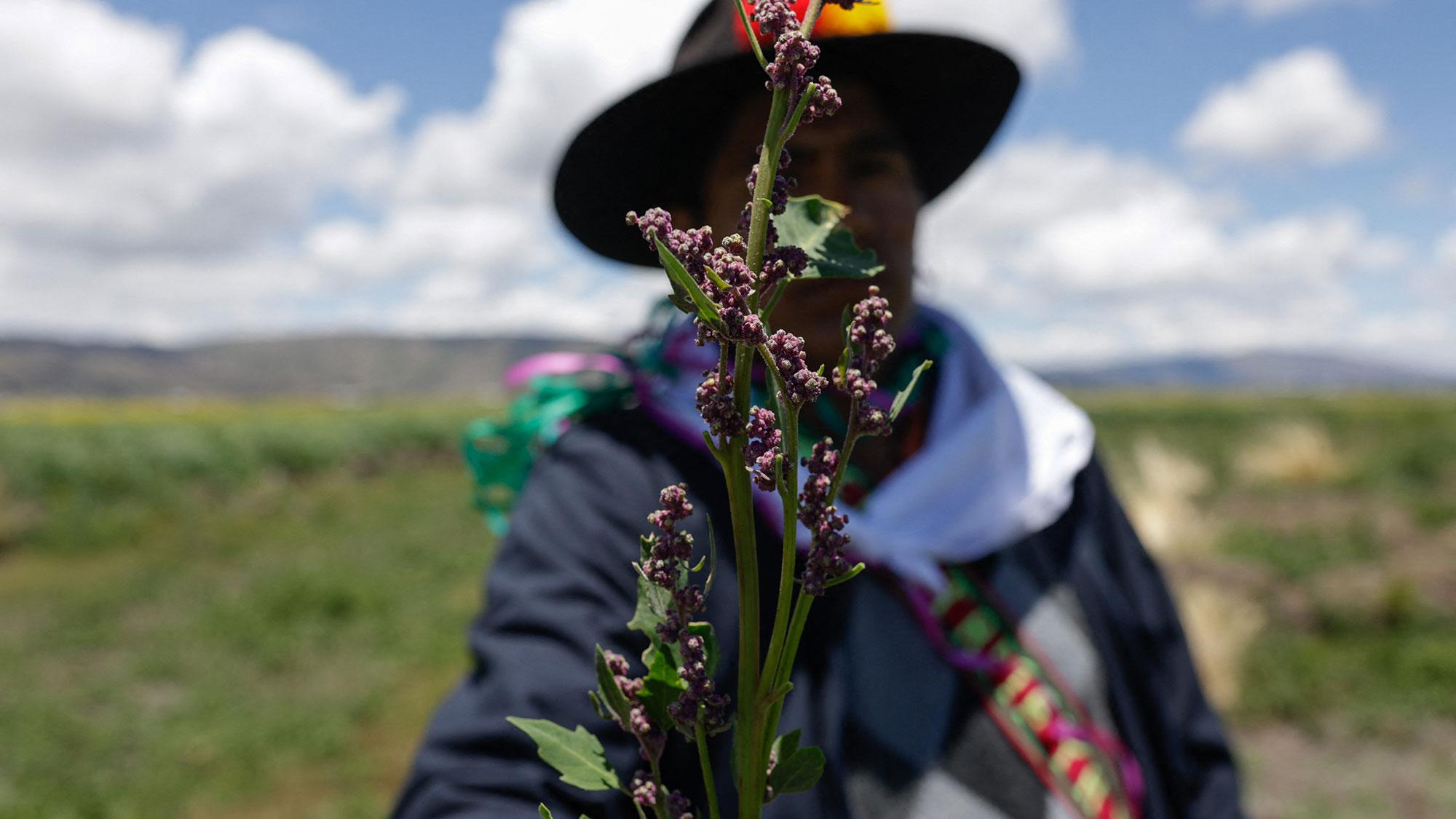
As climate change continues to make itself at home like an uninvited guest who refuses to leave, scientists and policymakers have finally noticed that Indigenous lands are remarkably good at storing carbon and hosting biodiversity. But according to a new report from Conservation International, that recognition has not exactly translated into letting Indigenous leaders into climate negotiations, giving them funding for resilience, or respecting their human rights. Shocker.
The report, which includes both a narrative and a peer-reviewed study, interviewed 49 Indigenous leaders from six continents - from the Amazon to East African savannas to Pacific Islands - and found that traditional knowledge, community protocols, and Indigenous culture are direct reasons those lands are so healthy. Practices like avoiding overfishing, maintaining sacred spaces, watching for fires, and directly resisting extraction are doing the heavy lifting. Ninety-six percent of respondents said they set aside land for special uses like spiritual practices, which also help protect ecosystems. It turns out that the idea that Indigenous lands are pristine because they're remote or empty is dangerously wrong - they're healthy because people are actively stewarding them.
The study also found that all 43 surveyed communities are experiencing drought, extreme weather, and other climate impacts, and more than half are dealing with extractive industries like mining and logging. Drought and extreme weather topped the list of climate concerns, but 61 percent cited mining, commercial agriculture, and logging as serious threats. Indigenous peoples are asking for mitigation and resilience funding, legal advice, and recognition of their land rights.
Lead author Sushma Shrestha, who is Indigenous Newar from Nepal, stressed that these are lessons for everyone: “All of humanity relies on everything that Indigenous peoples have to contribute and offer.” Hindou Oumarou Ibrahim, Indigenous Mbororo from Chad and a former chair of the UN Permanent Forum on Indigenous Issues, wrote in the report's foreword: “Indigenous Peoples’ Knowledge cannot exist without Indigenous Peoples or without the ecosystems where we live.”
Examples abound: The Kichwa in Ecuador restrict hunting of female tapirs to prevent population decline; the Tacana in Bolivia don't allow tree clearing along rivers, protecting water quality and preventing erosion. The report argues that policy changes and enforcement of Indigenous land rights are urgent and benefit everyone. As Shrestha put it, “One thing that everybody can do... is to really secure indigenous peoples’ rights to lands.”
The Good Times
News in your inbox.
One sardonic roundup, delivered on your schedule. Free. Unsubscribe whenever your tolerance for wit runs out.
Already subscribed but we never reach your inbox? Check your spam folder and hit 'Not spam' (or 'Remove from spam') to bust us out of junk-mail purgatory. You'll be helping everyone else too.
Don't open any of our emails for a month and you'll be automatically removed from the mailing list.
Rewrite Article
Select parts to regenerate with a fresh AI pass. Translations will be updated automatically.
Generate AI Image
Creates a sardonic version of the article image using OpenAI.