Humanoid Robots Land New Gig Sorting Luggage at Tokyo Airport, Because Apparently Humans Had Other Plans
Humanoid robots are being tested as baggage handlers at Tokyo's Haneda Airport, because apparently humans have decided they're too busy doing other things to load luggage.
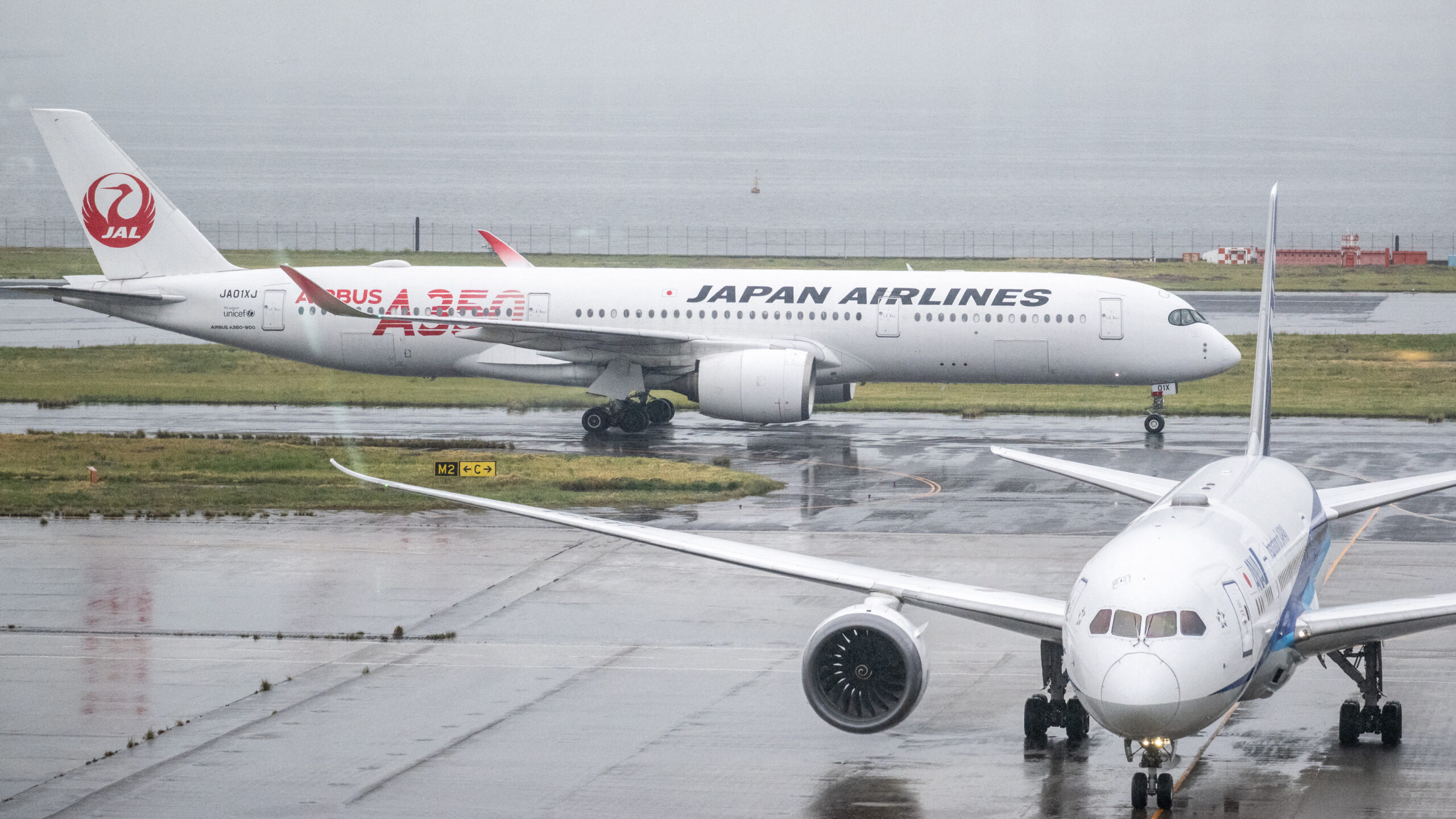
Humanoid robots are about to add "baggage handler" to their résumés, as Japan Airlines launches a trial at Tokyo's Haneda Airport to address a labor shortage that's been making airport visitors surge while human workers mysteriously decline to materialize.
The demonstration, scheduled to begin in May 2026, will eventually test humanoid robots in a variety of airport tasks - cleaning aircraft cabins, handling ground support equipment like baggage carts, and presumably not complaining about the early shifts. The trials run until 2028, so travelers might catch a glimpse of these mechanical colleagues lurching about.
This is the latest chapter in the ongoing saga of humanoid robots trying to prove they're more than just expensive scarecrows. While robotic arms have been happily doing repetitive tasks in factories and warehouses, humanoid robots face the daunting challenge of navigating open, unpredictable environments - like airports, where the biggest threat is a rogue rolling suitcase. Japan Airlines wants to see if robots powered by the latest AI models can adapt to human workspaces without requiring dedicated stations or major renovations. The airline's subsidiary, JAL Ground Service, has partnered with GMO AI & Robotics Corporation to oversee this experiment.
The companies will test the G1 robot and Walker E robot from Chinese firms Unitree Robotics and UBTECH Robotics, according to The Asia Business Daily. Humanoid robots still cost tens of thousands of dollars per unit, though the Unitree G1 baseline model runs a relatively modest $13,500 - still cheaper than a year of college tuition, but possibly less useful.
A video from a staged demonstration shows one robot tottering up to a metal cargo container and making a vague pushing gesture. The container only moves when a human worker starts the conveyor belt. So, the robots still have some homework to do if they want to match human productivity. Having robots work alongside humans also introduces new safety considerations at Haneda Airport, Japan's second-largest, where flights arrive every two minutes. The pilot program's first step involves identifying which airport areas are safest for these mechanical newcomers.
Cost-effective robotic help could be a godsend for Japan's airports, which have been hit hard by labor shortages. In December 2023, Tokyo's Narita Airport couldn't respond to over 30 percent of requested flights each week due to staff shortages among cargo handlers and ground crew, according to The Mainichi. Japanese government data shows ground crew numbers fell from 26,300 to 23,700 between March 2019 and September 2023 - a trend that robots are now being recruited to reverse, one wobbly push at a time.
The Good Times
News in your inbox.
One sardonic roundup, delivered on your schedule. Free. Unsubscribe whenever your tolerance for wit runs out.
Already subscribed but we never reach your inbox? Check your spam folder and hit 'Not spam' (or 'Remove from spam') to bust us out of junk-mail purgatory. You'll be helping everyone else too.
Don't open any of our emails for a month and you'll be automatically removed from the mailing list.
Rewrite Article
Select parts to regenerate with a fresh AI pass. Translations will be updated automatically.
Generate AI Image
Creates a sardonic version of the article image using OpenAI.