Gut Bacteria, When Starved of Fiber, May Start Snacking on Your Gut Lining
Two new studies reveal that when deprived of fiber, gut bacteria may munch on your gut lining - producing harmful metabolites instead of beneficial ones, and also that some 'microbial' metabolites are made by your own cells.
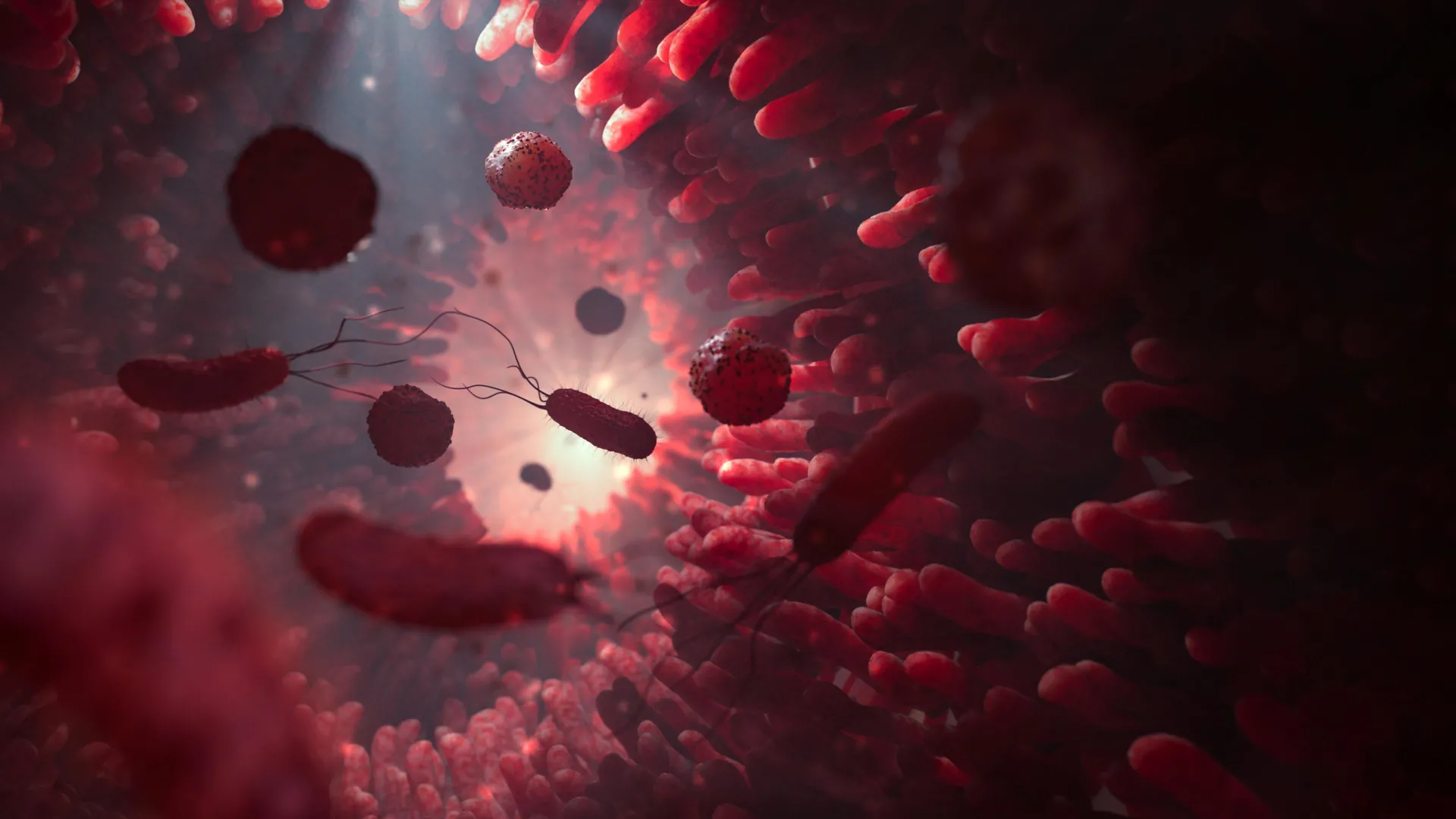
You know how your gut bacteria are supposed to be your best friends, helping you digest that kale salad and keeping your immune system on its toes? Well, according to two new studies, if you don't feed them enough fiber, they might just start eating you instead. Literally. From your gut lining. Rude.
Two studies led by Ludwig Princeton's Jenna AbuSalim and Director Joshua Rabinowitz, published in the Proceedings of the National Academy of Sciences and Nature Metabolism, delve into the complex relationship between your diet, your gut microbes, and the little metabolites they produce. It turns out that what you eat (or don't eat) can shift your gut bacteria from producing health-promoting compounds to producing harmful ones, and the switch might involve your own body as a snack.
The first study, in PNAS, focused on phenol metabolites - compounds that gut bacteria create when they digest the amino acids tyrosine and phenylalanine. And not all phenols are created equal. The good ones, like phenylpropionate and hippuric acid (from phenylalanine), are associated with gut health and a healthy body weight. The bad ones, like p-cresol sulfate and phenol sulfate (from tyrosine), are linked to worse outcomes in cancer patients and systemic toxicity in people with kidney disease.
So, what tips the balance? Fiber and indigestible plant proteins, which they've dubbed 'proteins imitating fiber,' or Prif. The researchers found that these plant components shift microbial metabolism away from the harmful tyrosine-derived phenols and toward the beneficial phenylalanine-derived ones. Using stable isotope labeling in mice, they discovered that the 'bad' phenols were produced when bacteria consumed proteins from the host - specifically, the mucus lining of the gut. Fiber reduced this breakdown, while Prif increased the amount of dietary protein reaching the microbes, giving them more material to produce the good stuff.
"We think Prifs represent an emerging class of dietary nutrients that shape the composition of the gut microbiome and could have a far-reaching influence on metabolic health," said AbuSalim. "Food packaging may eventually list Prif right below fiber," added Rabinowitz, because nothing says 'healthy' like a new acronym on your cereal box.
The second study, in Nature Metabolism, tackled the origins of phenol and indole metabolites. Indoles, derived from tryptophan, are being studied for therapeutic potential in diseases like inflammatory bowel disease, neurodegenerative disorders, and cancer. Scientists had assumed these metabolites were produced only by gut bacteria, but AbuSalim and colleagues tested that assumption with isotope tracing in mice, rats, and human cells. Surprise! Mammalian metabolism can produce many of these compounds on its own, including indole-3-lactate and indole-3-acetate. In mice, circulating levels remained high even after antibiotics wiped out the microbiome, and similar patterns appeared in human patients on antibiotics. However, metabolites made exclusively by microbes, like indole-3-propionate and p-cresol sulfate, did decline after antibiotic treatment.
Together, these studies provide a clearer picture of where these metabolites come from and how diet influences them. The findings could help design more precise dietary, probiotic, or metabolic interventions. "A clearer picture of how different foods interact with the microbiome to modulate the production of bacterial metabolites will help sharpen the guidance nutritionists and doctors can give to people for disease prevention and therapy," said Rabinowitz.
So, next time you're tempted to skip the fiber, remember: your gut bacteria might just start eyeing your intestinal lining as a backup meal. And that's not the kind of 'eat you' you want in a health headline.
The Good Times
News in your inbox.
One sardonic roundup, delivered on your schedule. Free. Unsubscribe whenever your tolerance for wit runs out.
Already subscribed but we never reach your inbox? Check your spam folder and hit 'Not spam' (or 'Remove from spam') to bust us out of junk-mail purgatory. You'll be helping everyone else too.
Don't open any of our emails for a month and you'll be automatically removed from the mailing list.
Rewrite Article
Select parts to regenerate with a fresh AI pass. Translations will be updated automatically.
Generate AI Image
Creates a sardonic version of the article image using OpenAI.